Patient Adherence Measurement Methods in Chronic Peptide Therapy
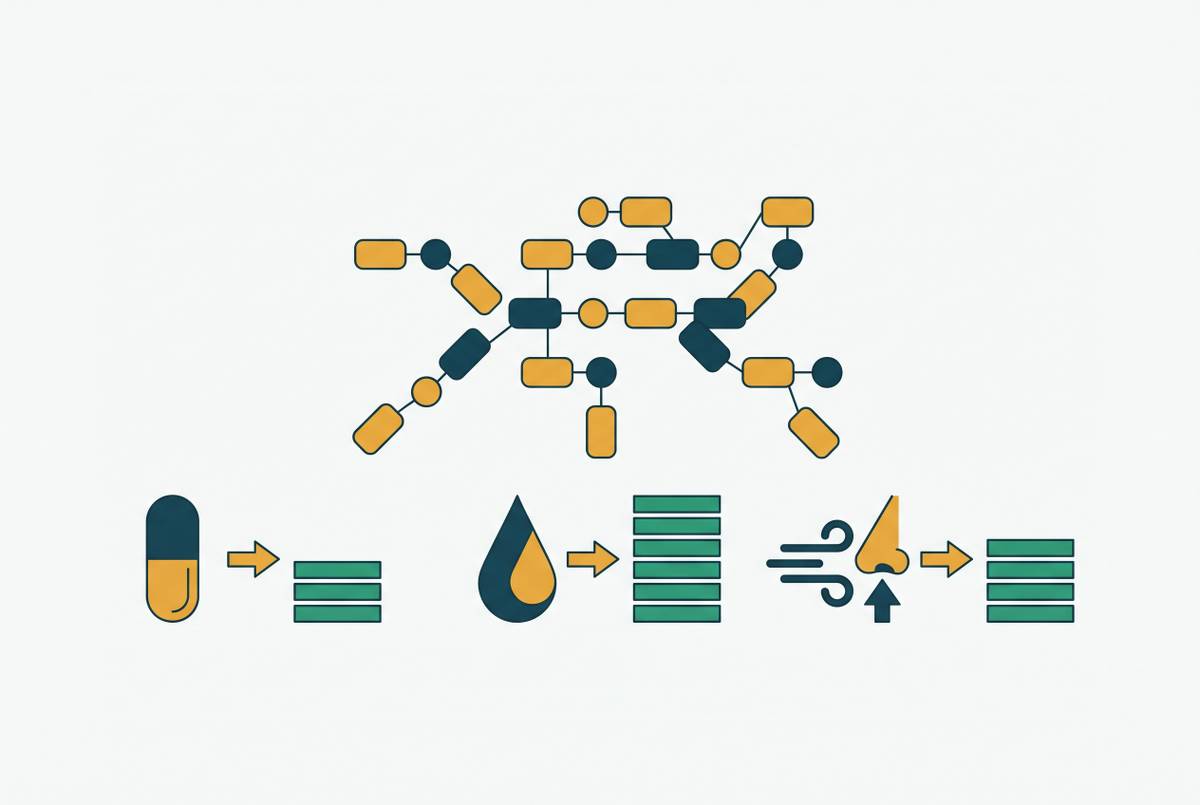
Researchers use incompatible tools to measure whether patients take their peptide medications.
Cora Ibrahim
Section
13 stories in Drug Delivery Beyond Injections.
Researchers use incompatible tools to measure whether patients take their peptide medications.
Sublingual and buccal routes hit a permeability wall that formulation cannot solve.
Depot technology solves adherence but struggles to maintain stable drug levels in the blood.
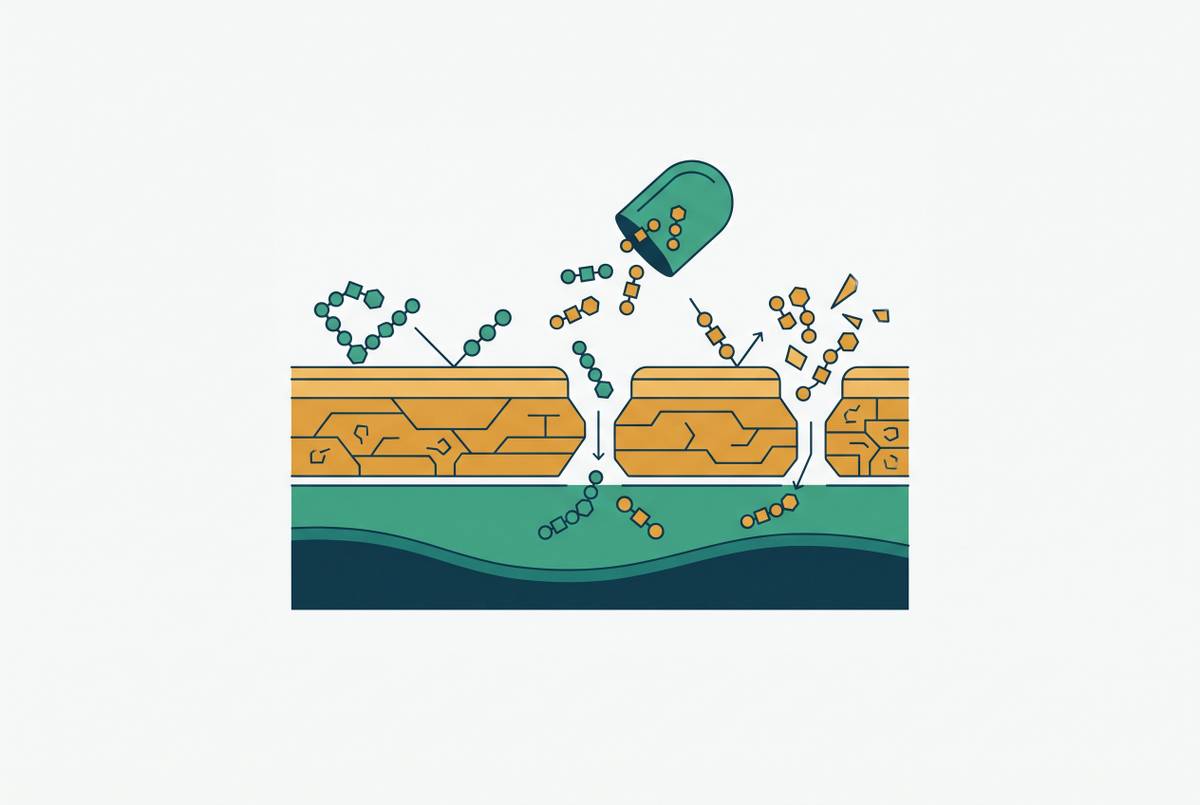
Skin's molecular barriers make peptide patches far harder than researchers admit.
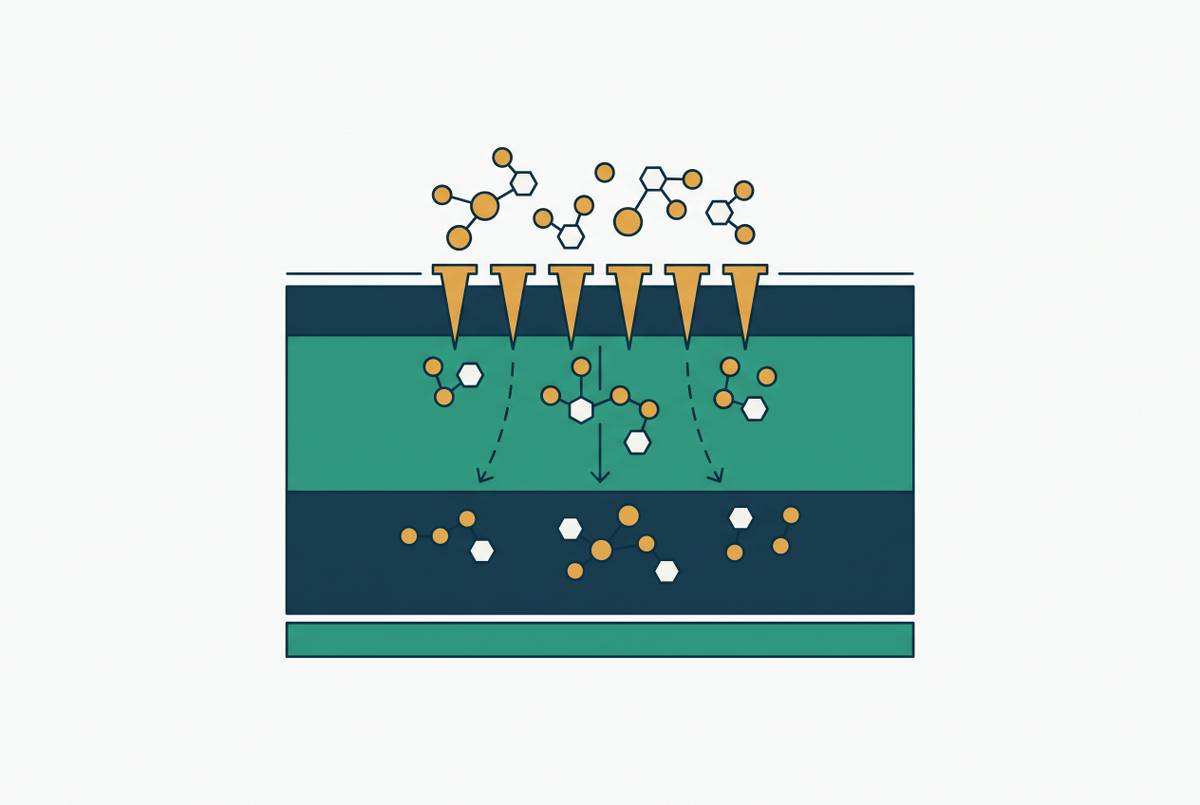
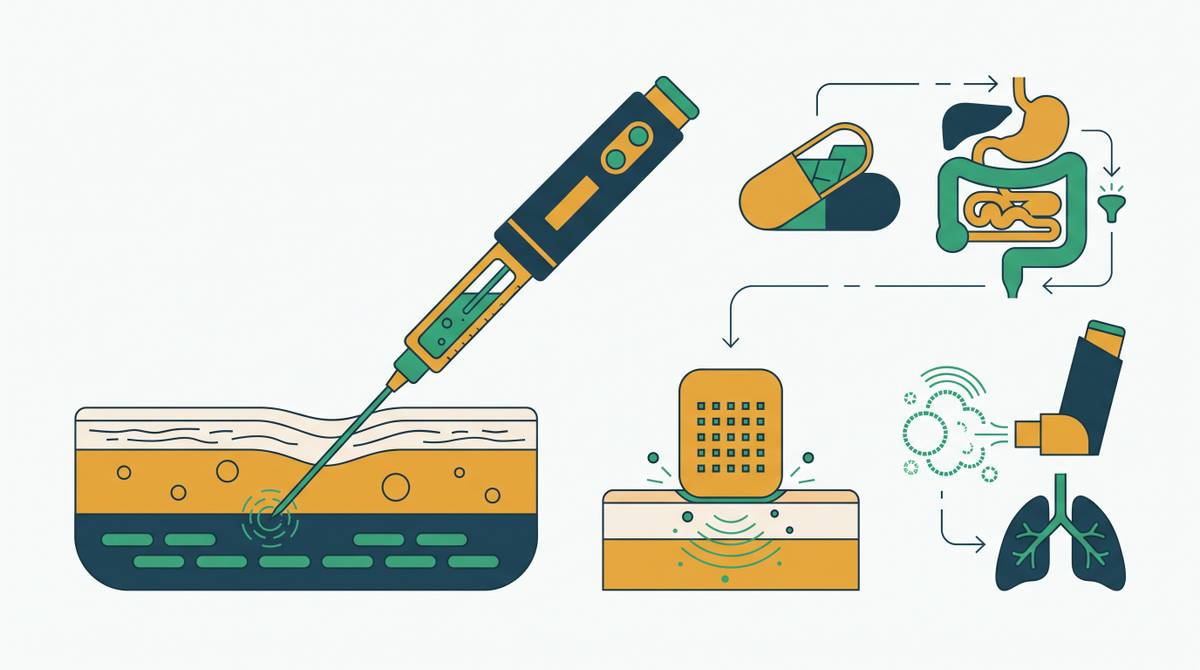
Scientists are engineering patches and energy pulses to deliver peptides through skin.
Needle fear keeps a meaningful share of patients from taking life-sustaining injections they need.
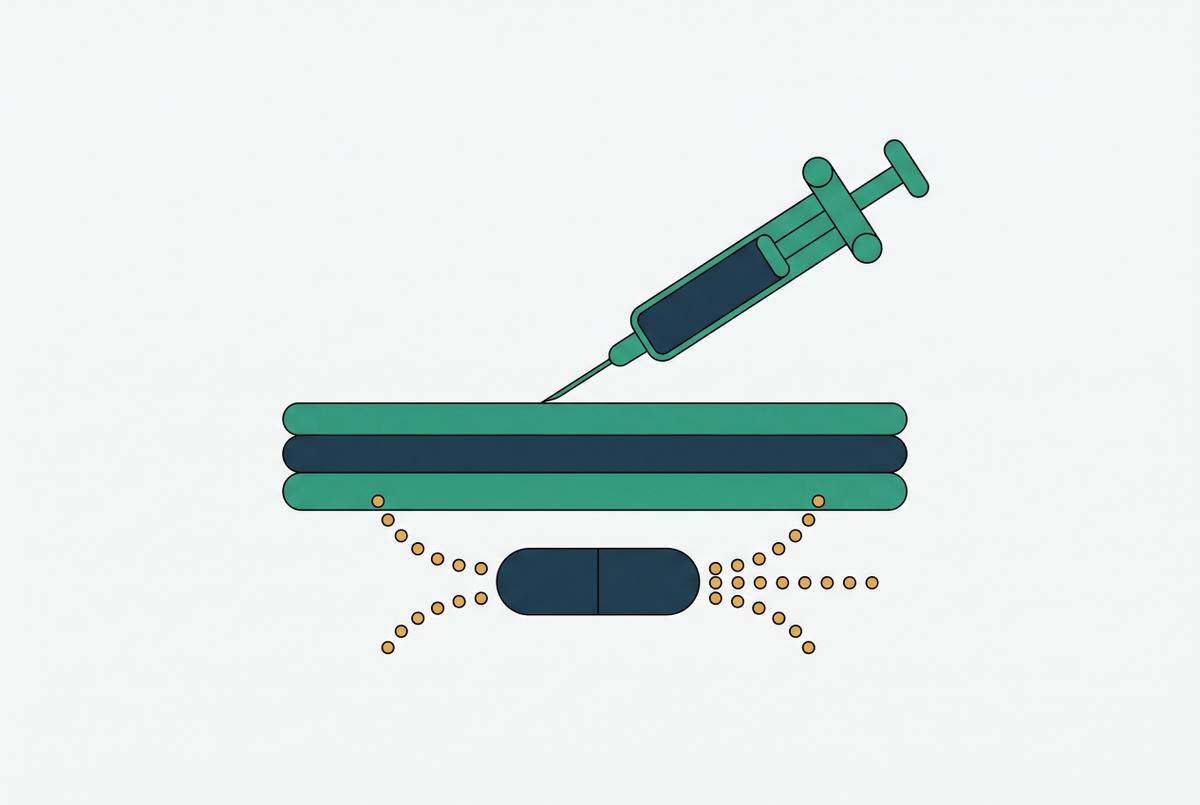
Injectable routes bypass the gut's defenses, but patients quit anyway from needle burden.
Chronic biologic patients skip doses because the needle wears them down, not because it hurts.
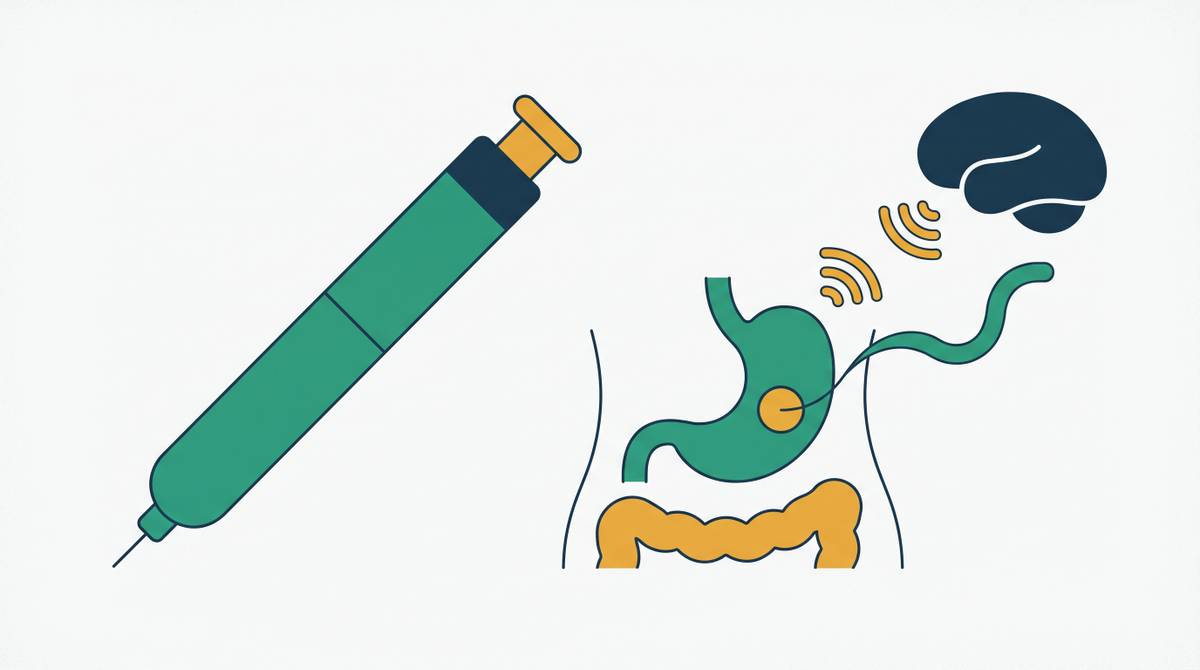
How delivery method shapes brain access and real-world adherence to GLP-1 drugs.
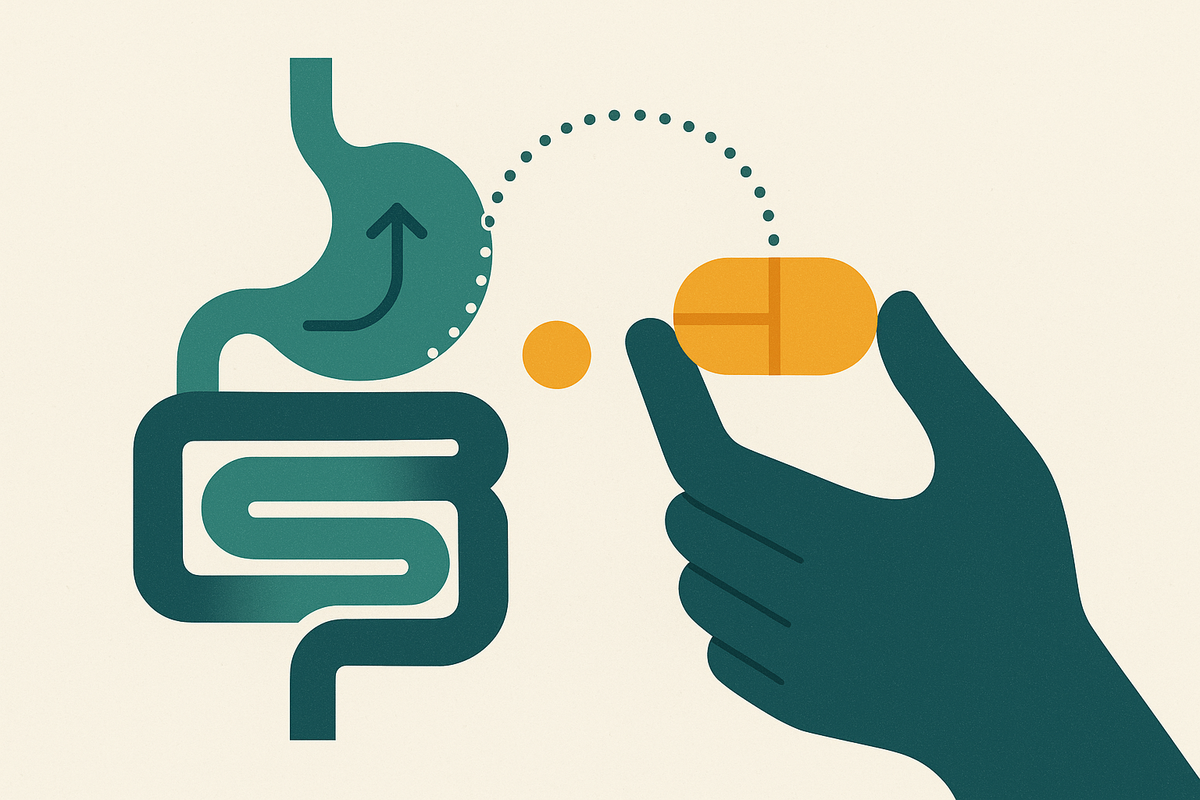
The gut destroys ninety percent of the drug before it reaches the bloodstream.
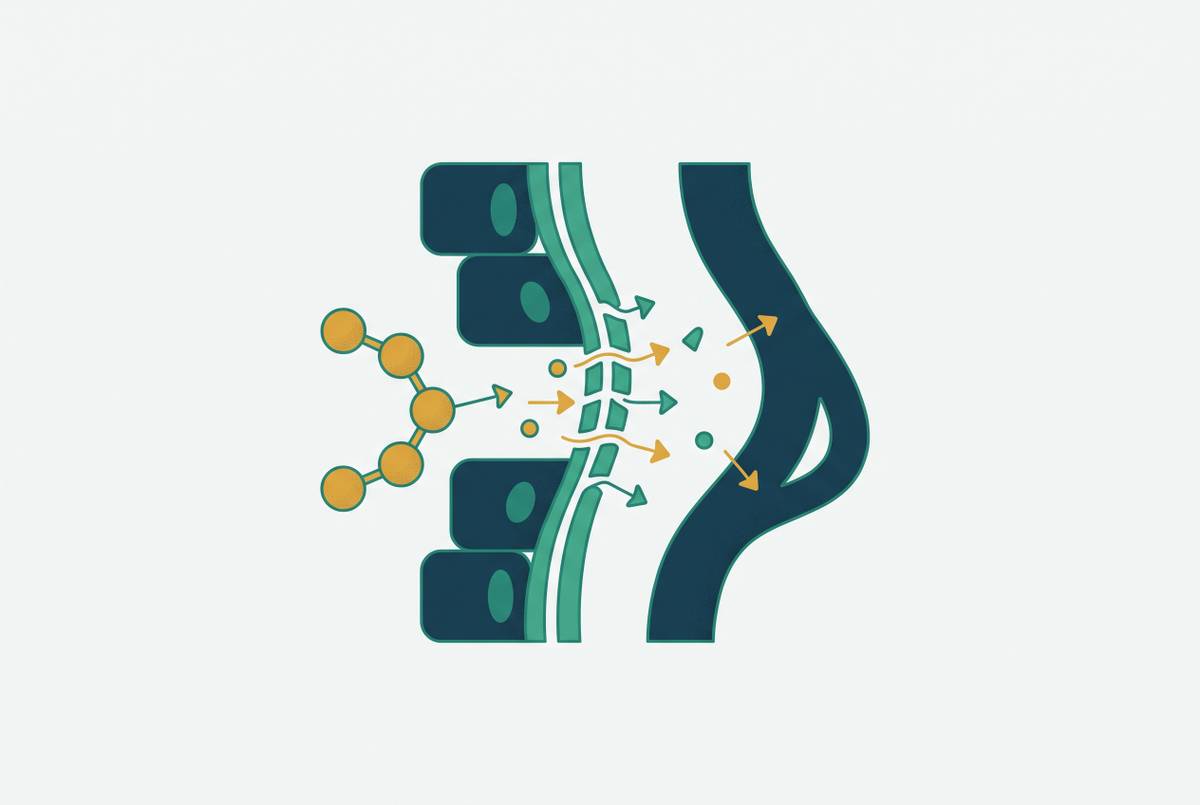
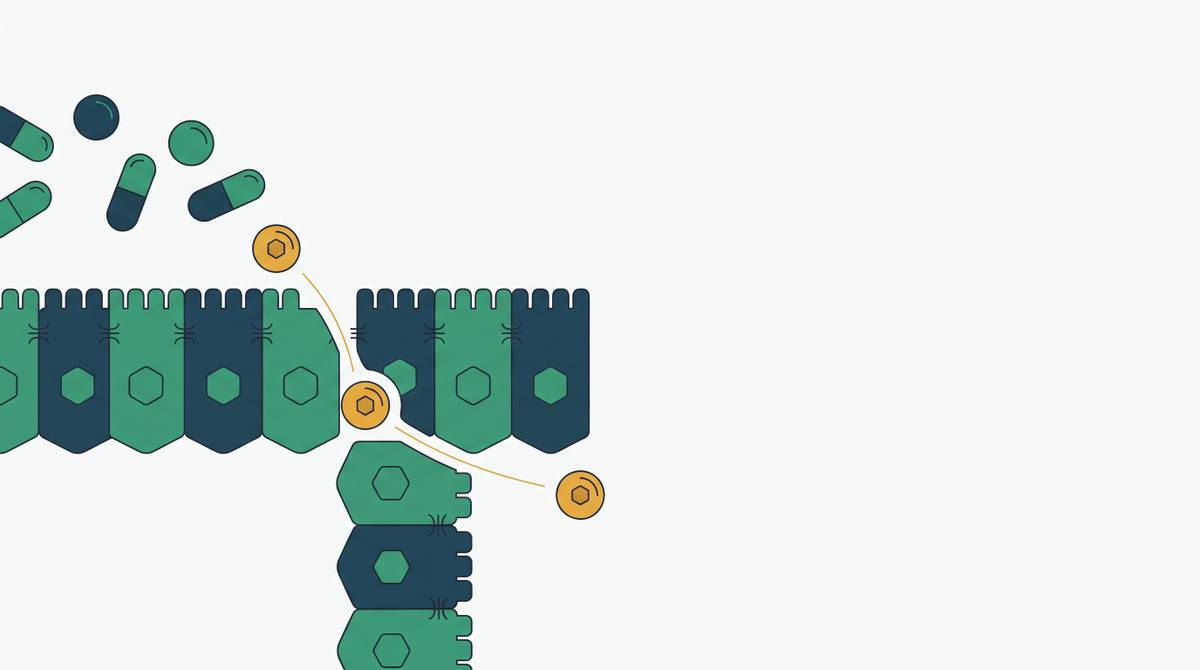
Enzymes, mucus, tight junctions, and efflux pumps make oral peptide absorption nearly impossible.
Nausea strikes nearly one in four GLP-1 patients through distinct brain and gut pathways.
Most GLP-1 patients quit within a year, largely due to weak feedback loops.