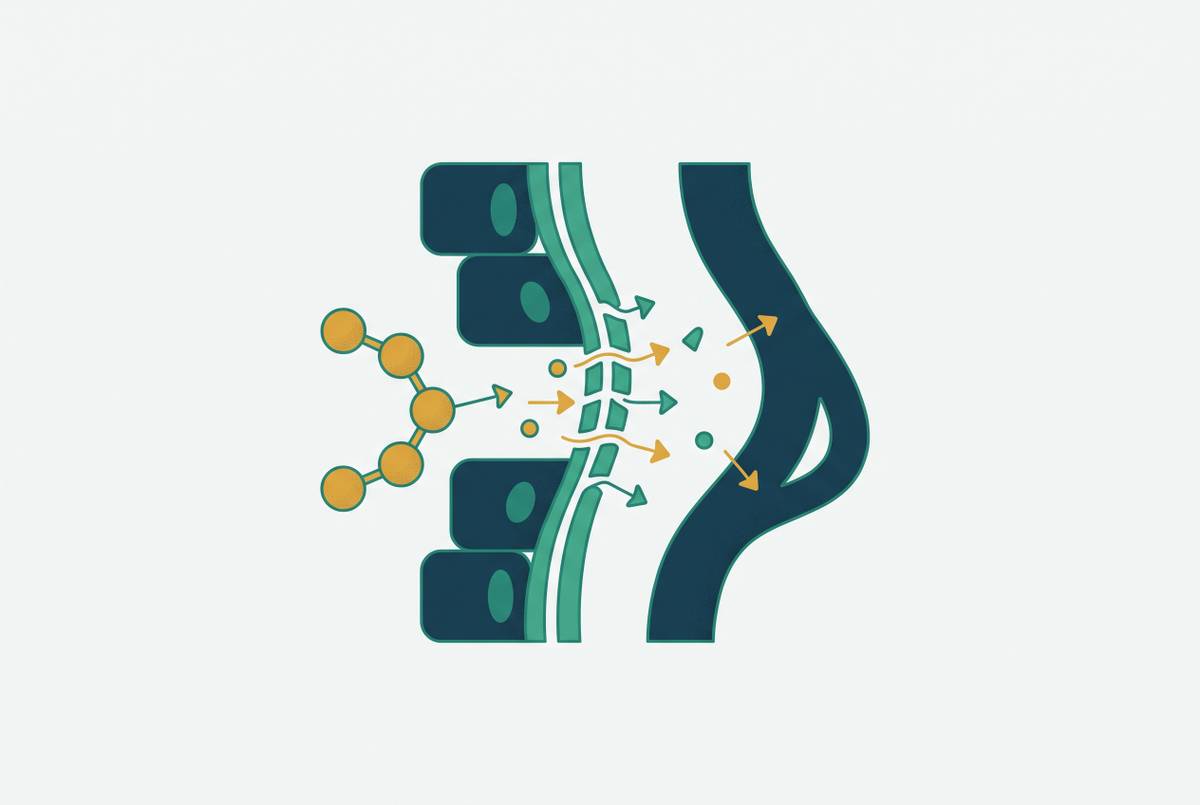
Nose-to-Brain (N2B) Delivery
Nose-to-Brain Delivery in Neurodegenerative Disease Research
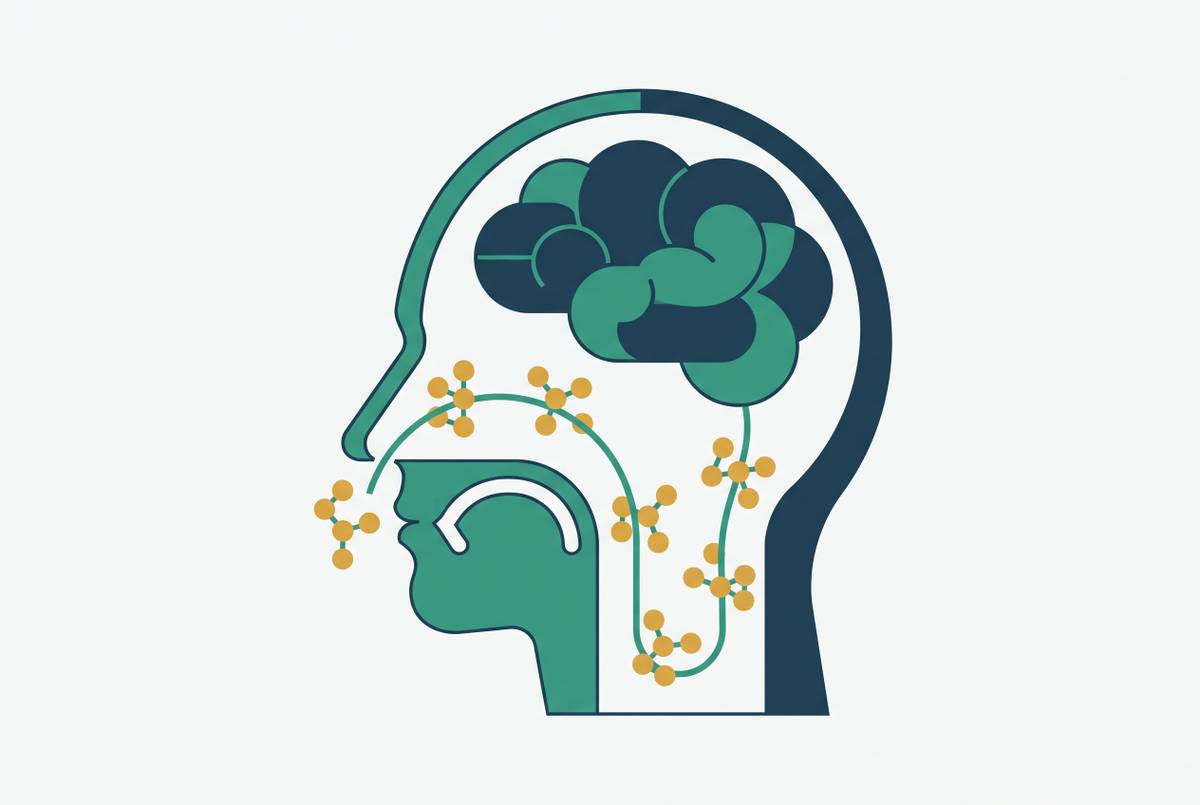
Intranasal delivery bypasses the blood-brain barrier via cranial nerves.
Nadia Yamada
Columnist · · 12 min read
Intranasal delivery bypasses the blood-brain barrier via cranial nerves.
Nanoparticles enable large biologics to bypass the brain barrier via the nose.
Many patients abandon GLP-1 drugs despite trial success rates.
Distinguishing normal side effects from a serious diagnosis requires testing, not guesswork.
GLP-1 drugs trigger skin reactions through receptors in dermal tissue, not just systemic effects.
Appetite and other health markers rebound sharply within weeks of stopping treatment.
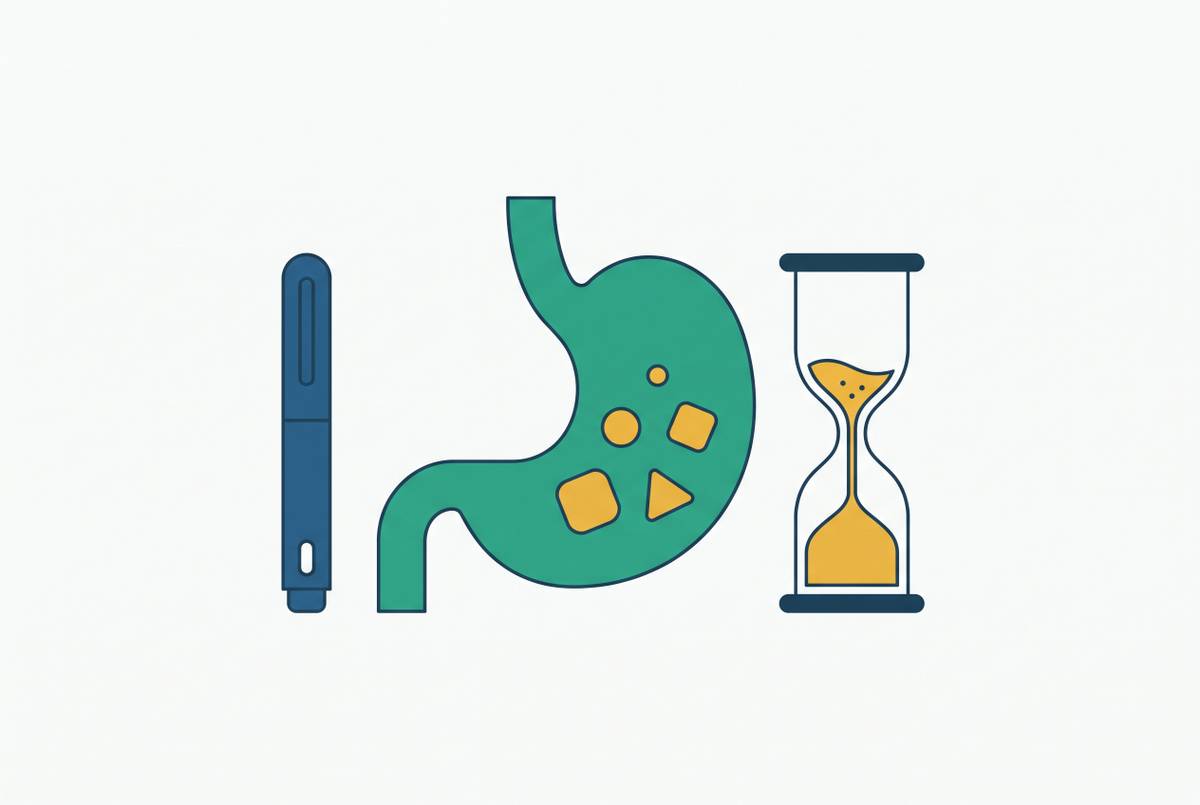
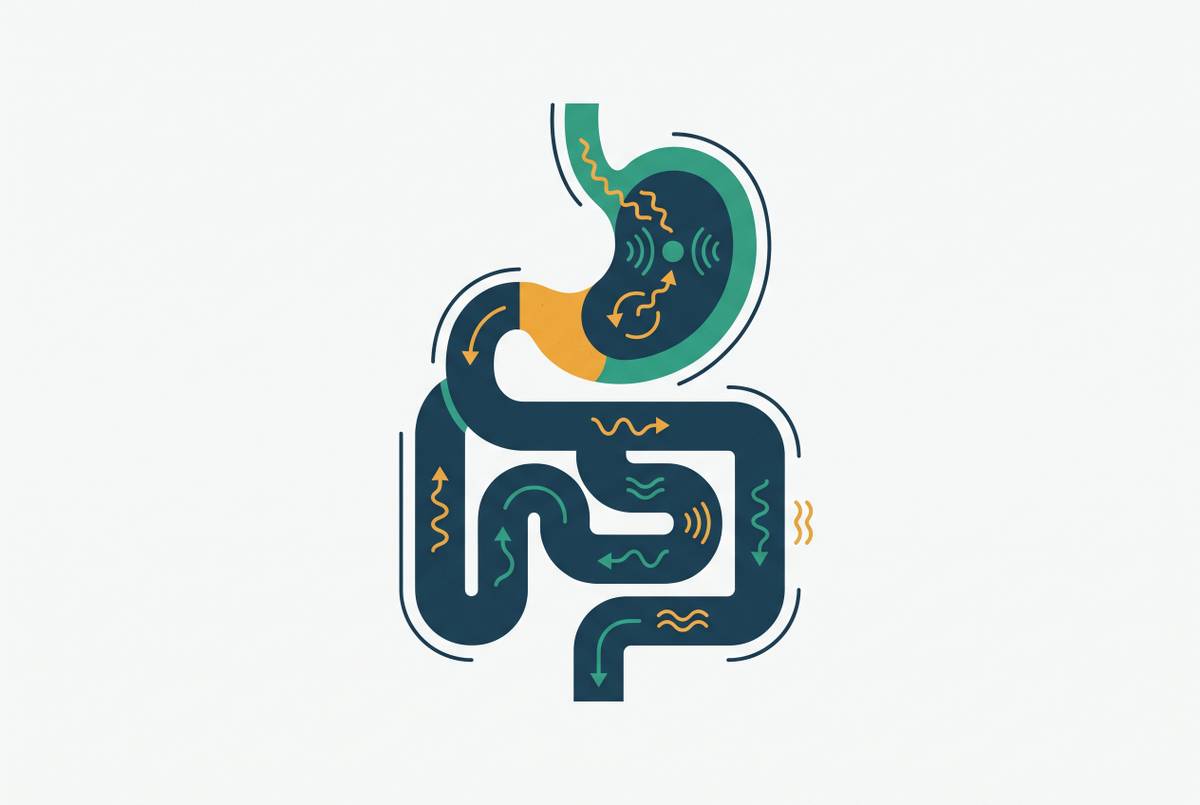
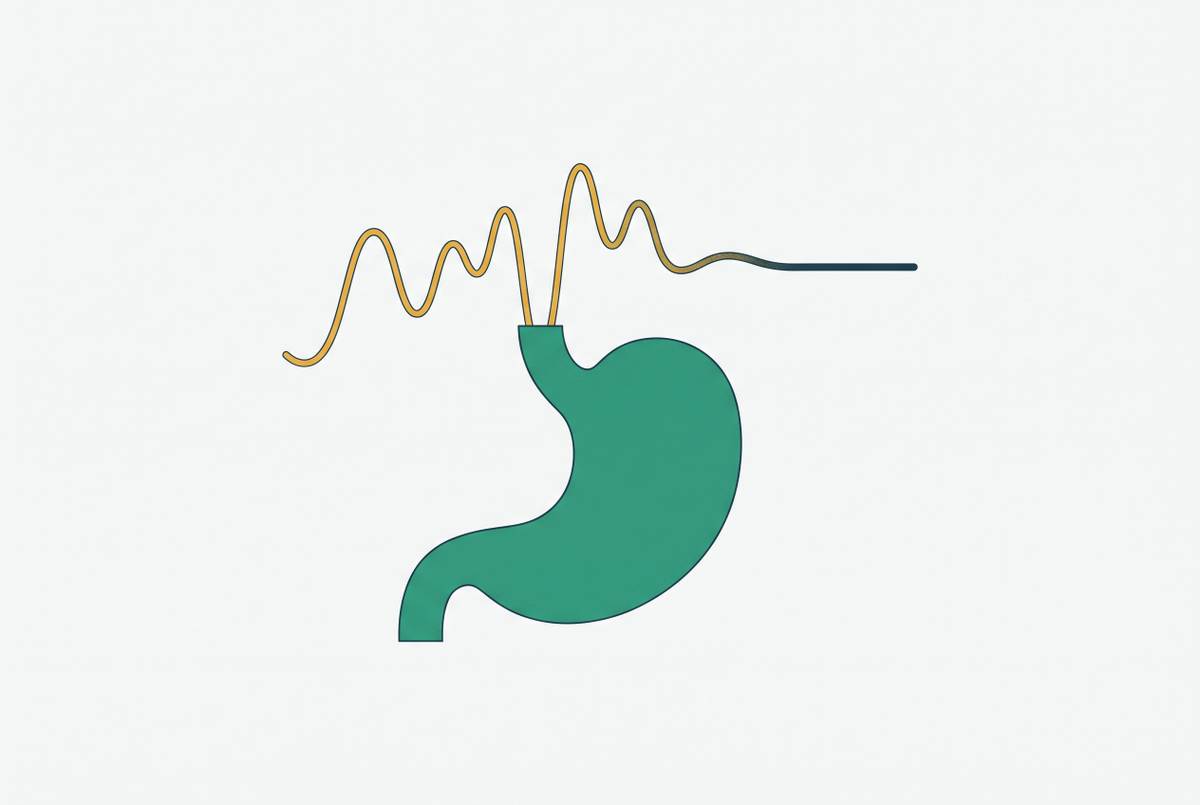
Scientists pinpoint how GLP-1 drugs hijack the brain's poison-detection system to trigger nausea.
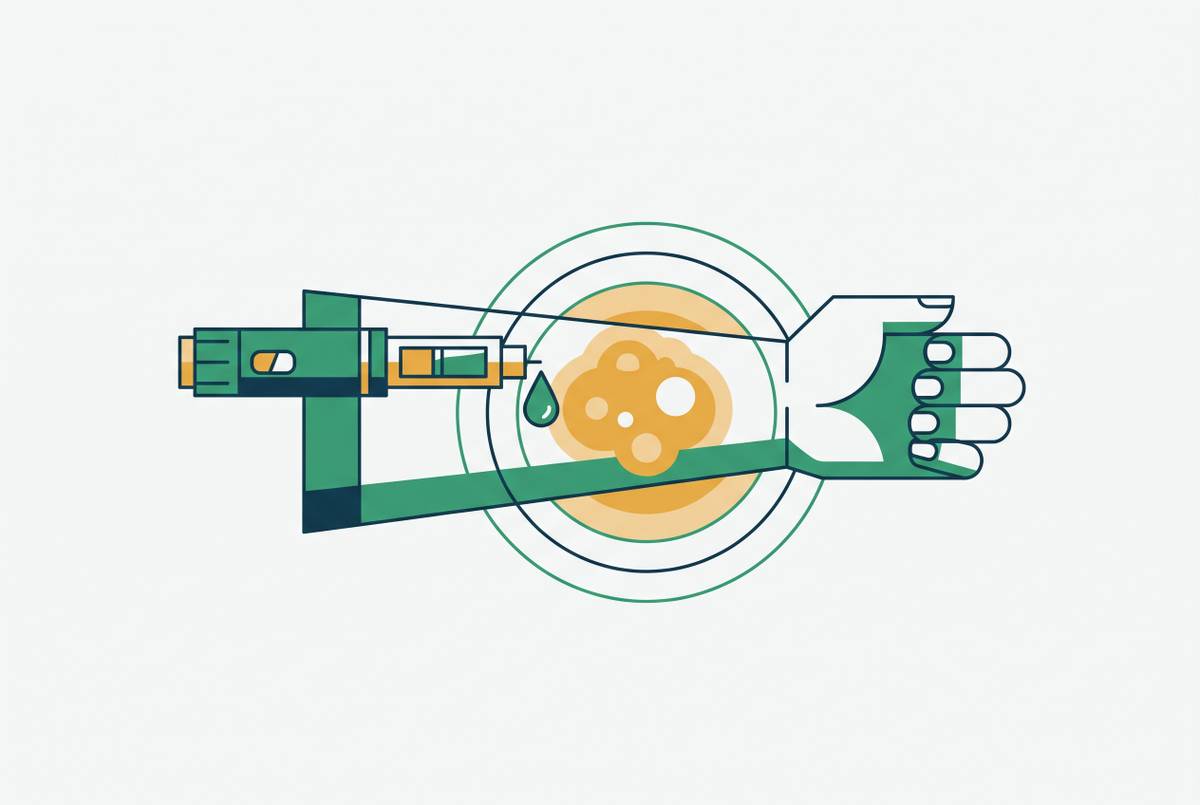
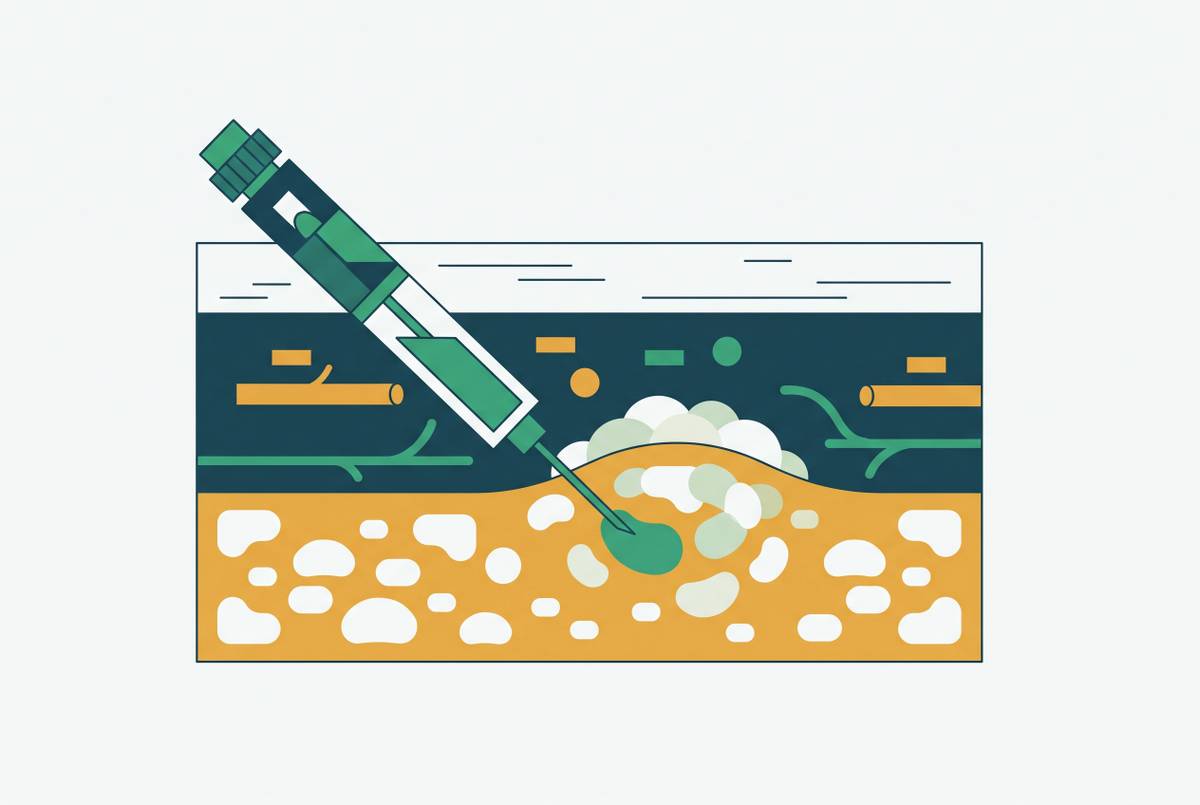
The biology of depot formation, not manufacturing flaws, explains why injection sites react.
Most patients adapt within one to three months, but seven in ten quit before that window closes.
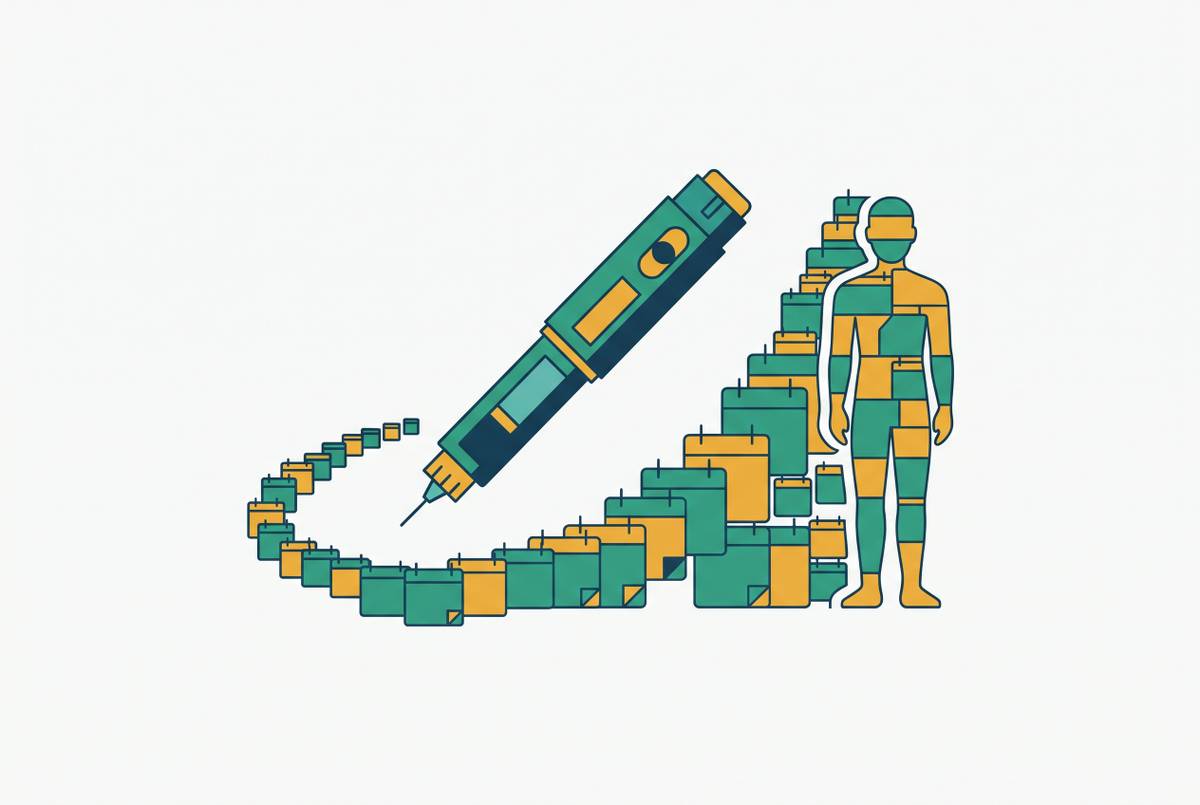
Decades of use means decades of side effects still being discovered and tallied.
Researchers use incompatible tools to measure whether patients take their peptide medications.
Sublingual and buccal routes hit a permeability wall that formulation cannot solve.