Which Universities Hold the Deepest Peptide Nanoparticle Patent Portfolios and Why Columbia's Stands Apart
Columbia's peptide nanoparticle patents lack the documented foundation claimed for them.
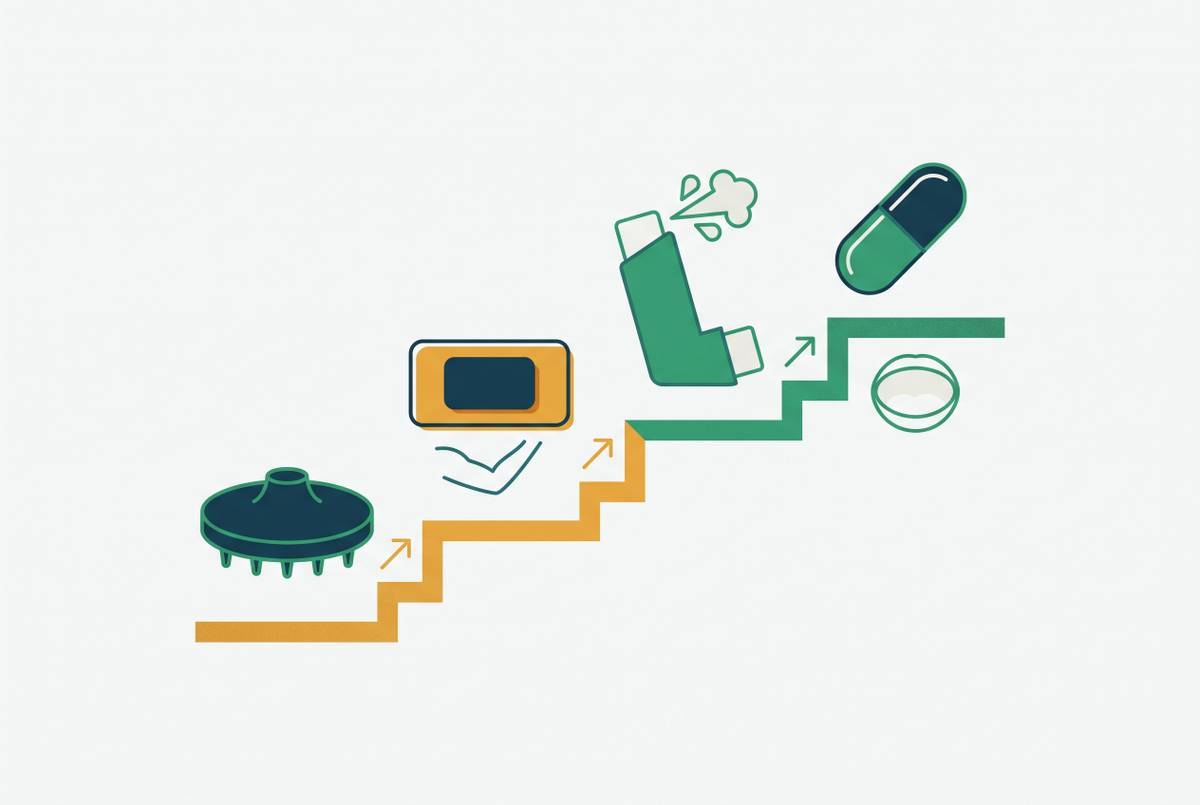
Oral options now approved; patches and nasal routes still in early trials.
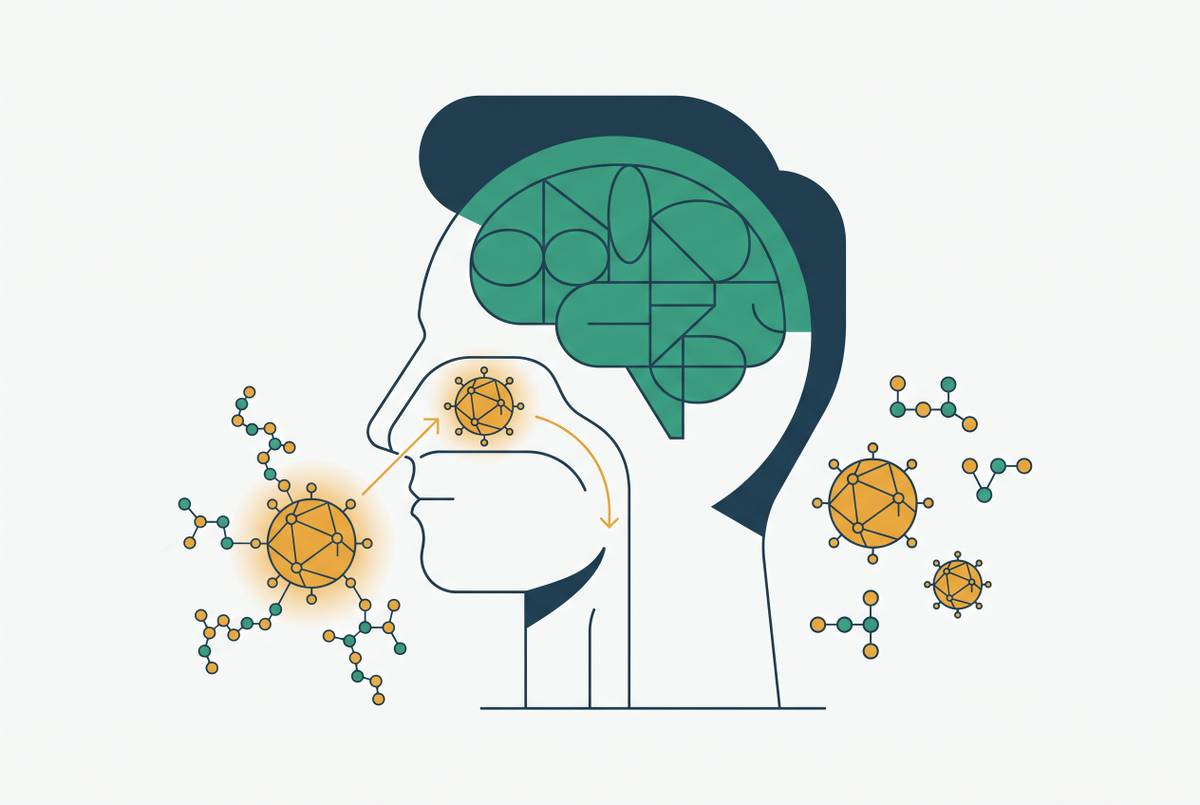
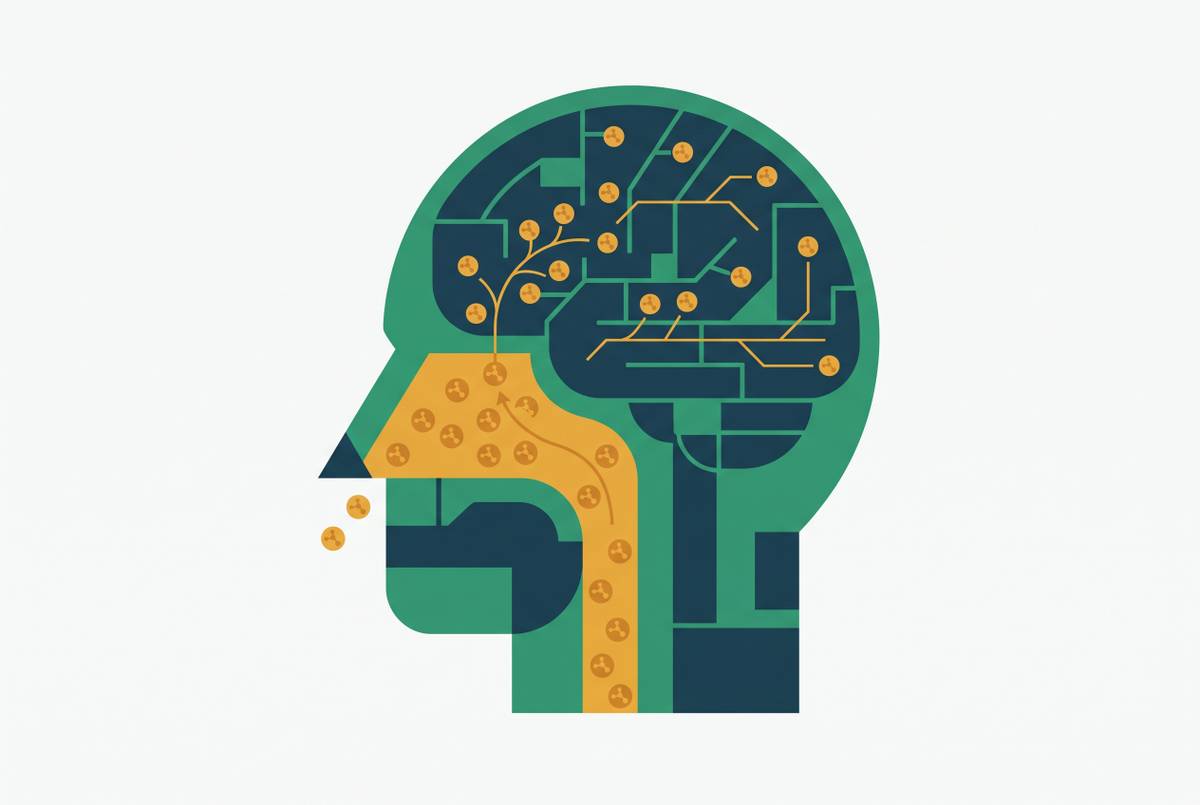
Startups test whether nanoparticles can deliver GLP-1 to the brain through the nose.
Exclusive Columbia licensing to one spinout concentrates platform control.
Transdermal delivery could reshape GLP-1 side effects by changing absorption kinetics.
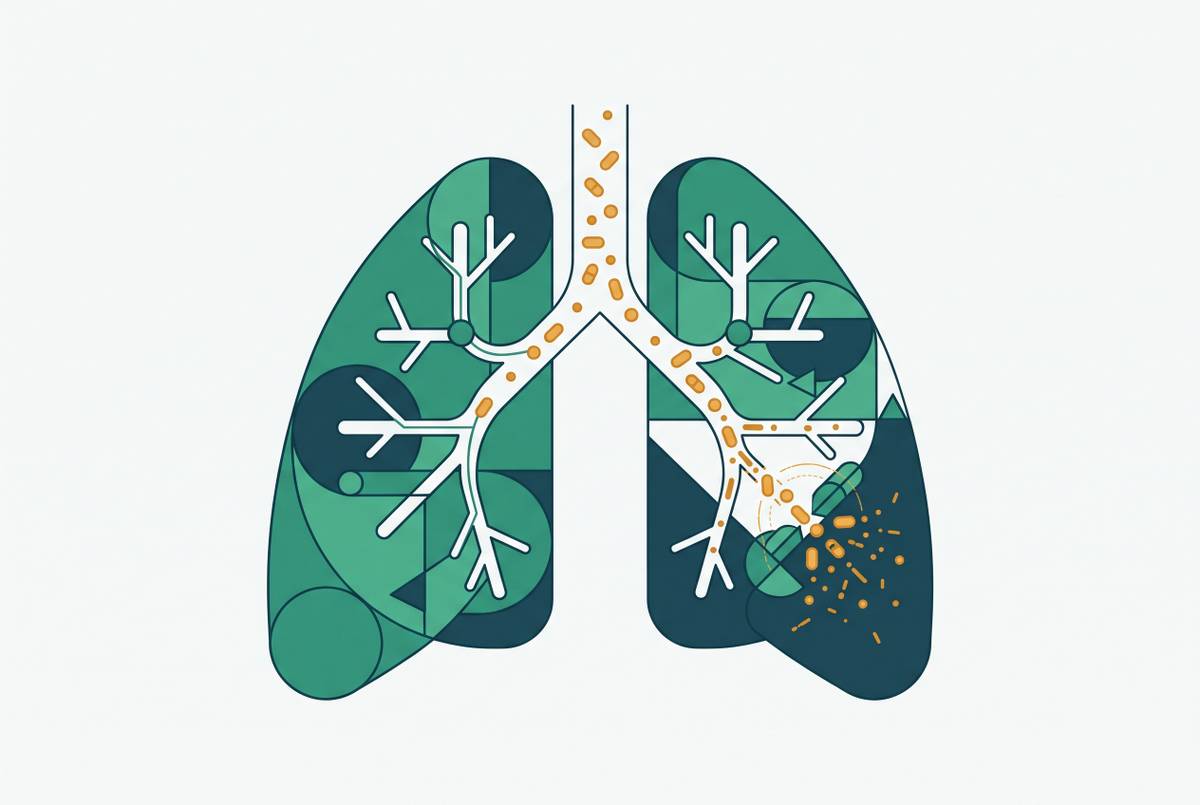
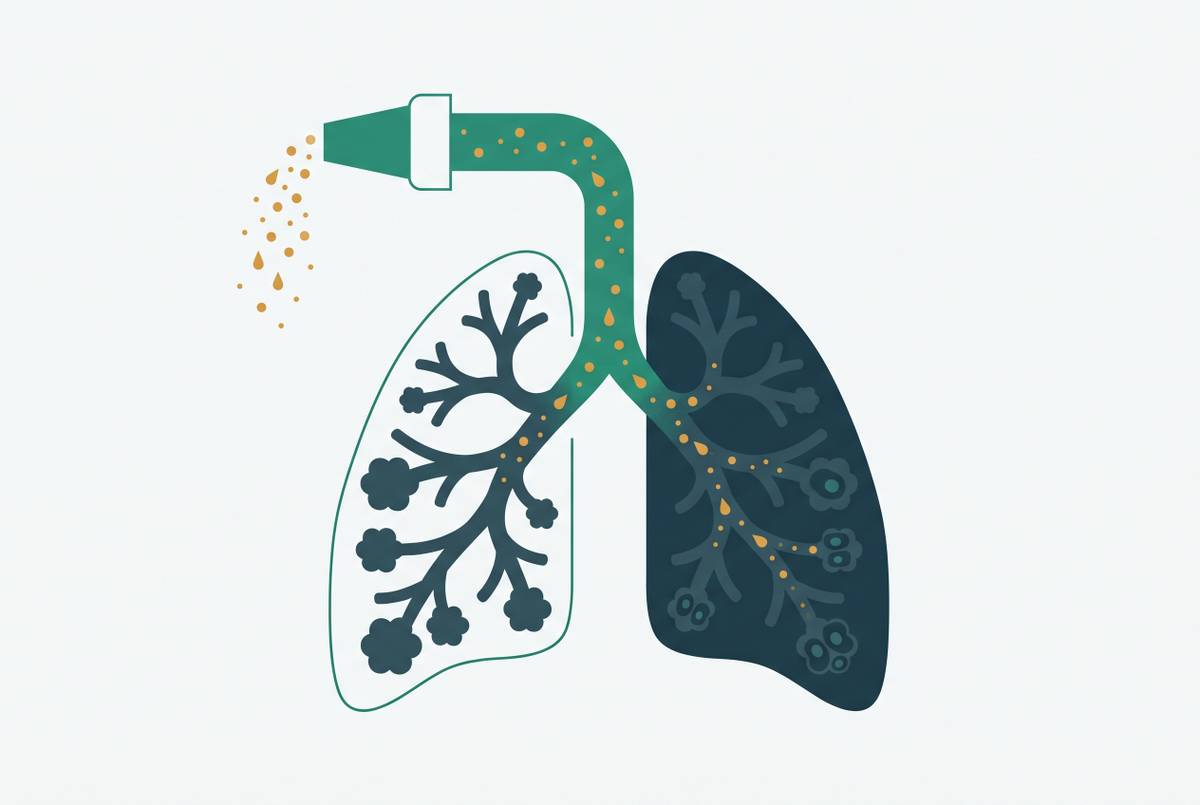
Degradation and poor permeability make the lungs a dead end for GLP-1 drugs.
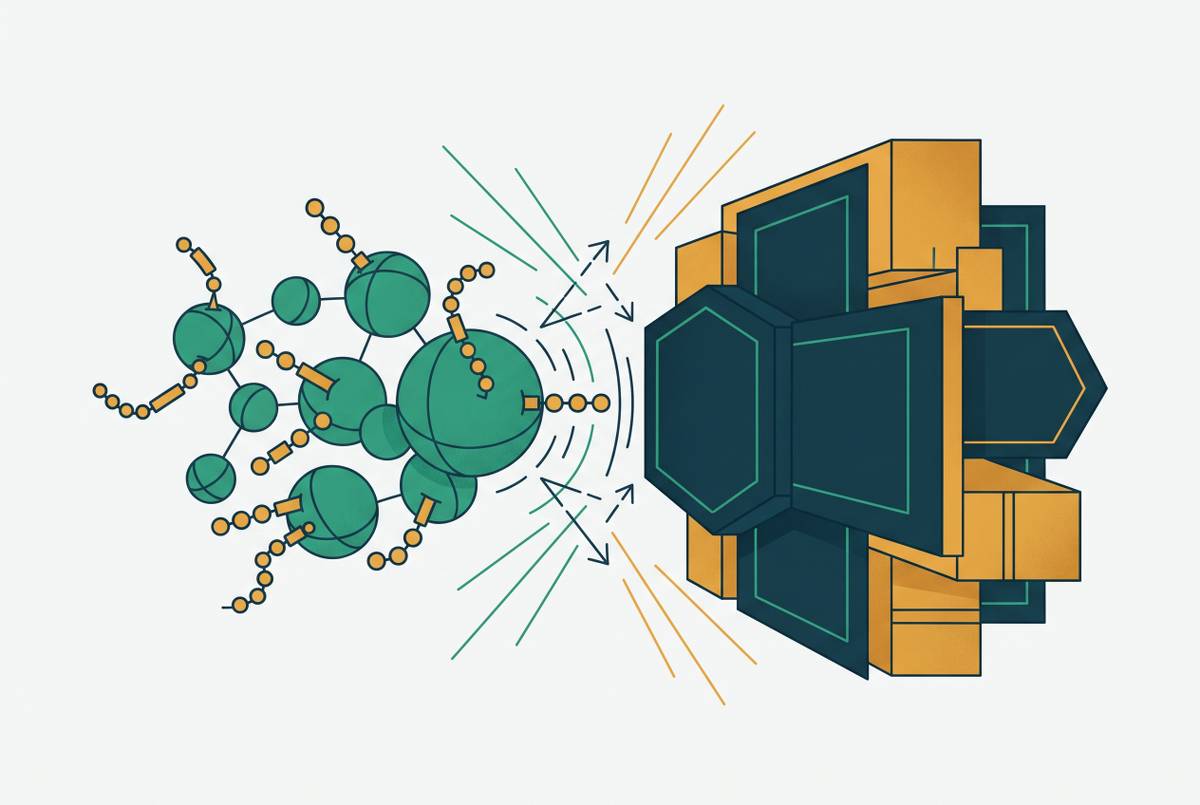
A Columbia spinout's delivery patents could outmaneuver Big Pharma's narrower formulation claims.
Nose-to-brain peptide platforms need three structural advantages to overcome delivery barriers.
Intranasal nanoparticles could deliver GLP-1 drugs to brain targets for neurological disease.
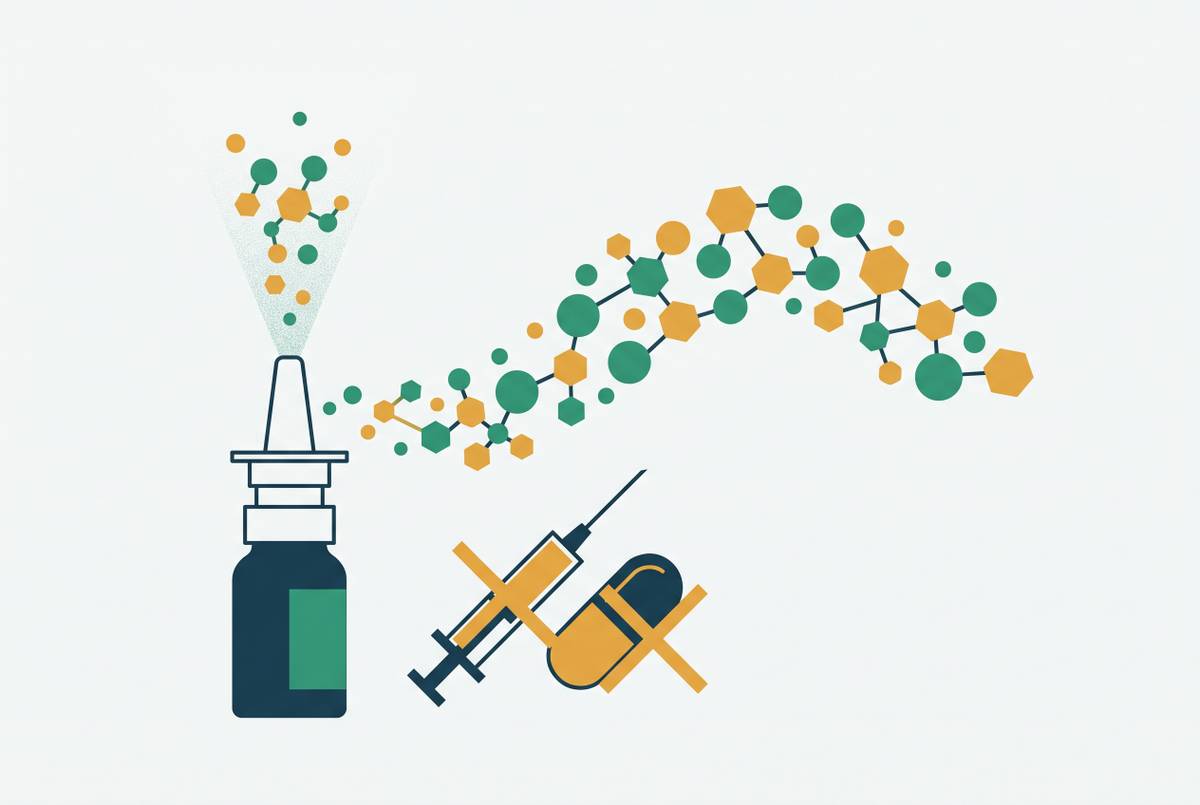
A needle-free nasal spray could reach patients' brains where pills and injections both fail.
The physics of peptide size and skin chemistry make passive delivery impossible.
Lung delivery of insulin revealed what any peptide must overcome to reach the bloodstream.