GLP-1 and Cardiovascular Risk Reduction Mechanisms
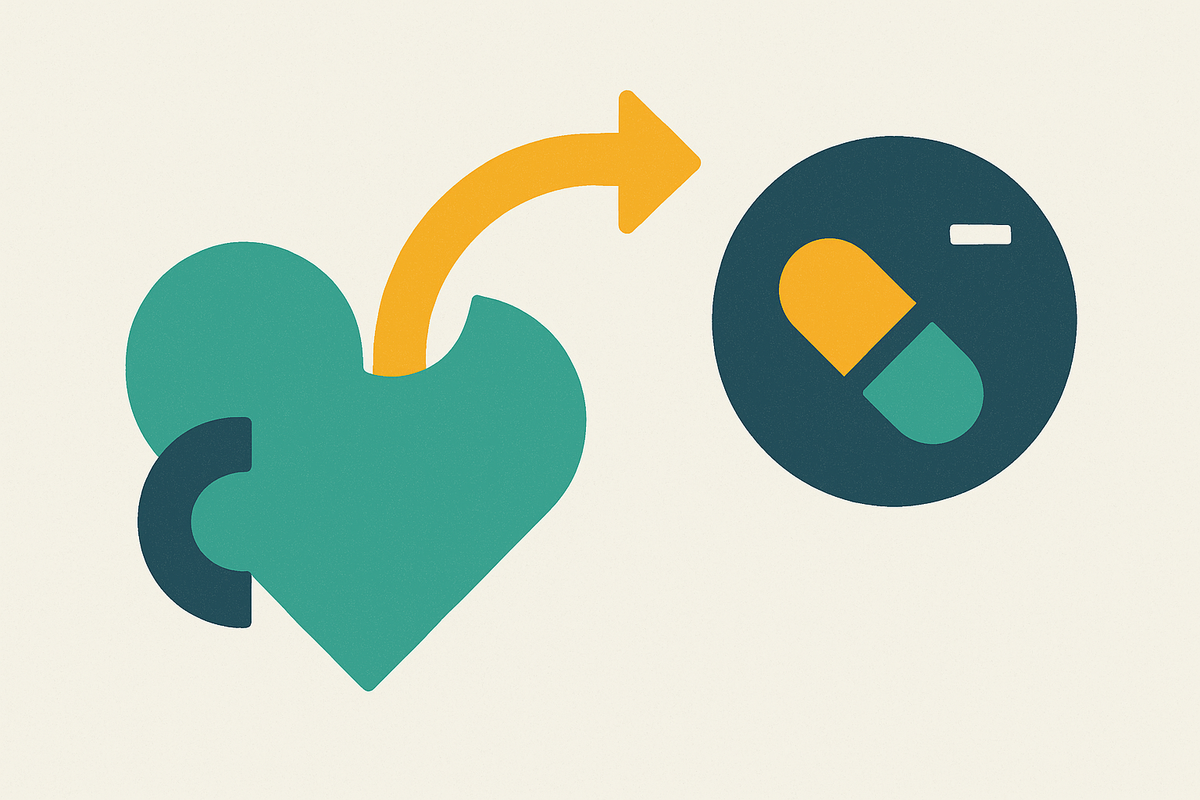
Multiple pathways in heart and blood vessels explain how GLP-1 drugs cut cardiovascular risk.
Rafael Ibrahim
Section
13 stories in Emerging GLP-1 Indications.
Multiple pathways in heart and blood vessels explain how GLP-1 drugs cut cardiovascular risk.
GLP-1 drugs reduce liver fat and inflammation, but struggle to reverse fibrosis.
GLP-1 drugs reshape sleep architecture through brain circuits most trials never measured.
GLP-1 drugs reduce craving for nicotine and opioids by rewiring the brain's reward circuitry itself.
Diabetes drugs show promise in lab but fail to slow Parkinson's in patients.
Brain scans reveal why these diabetes drugs reduce opioid craving.
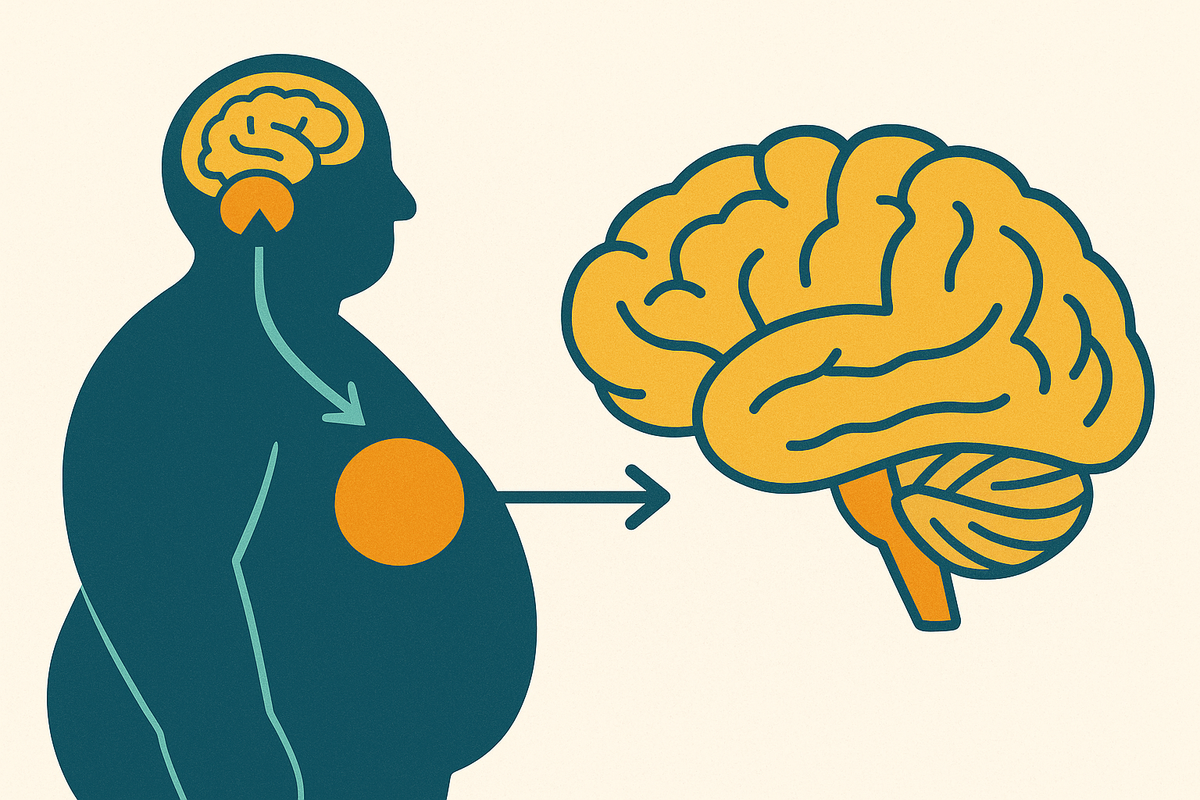
Inflammation in the brain's appetite center may explain why obesity resists conventional treatment.
GLP-1 drugs show promise for Parkinson's through multiple protective pathways in dopamine neurons.
Diabetes drugs show unexpected promise in Alzheimer's models.
Gut-derived receptor shows promise for slowing Alzheimer's brain shrinkage in early trials.
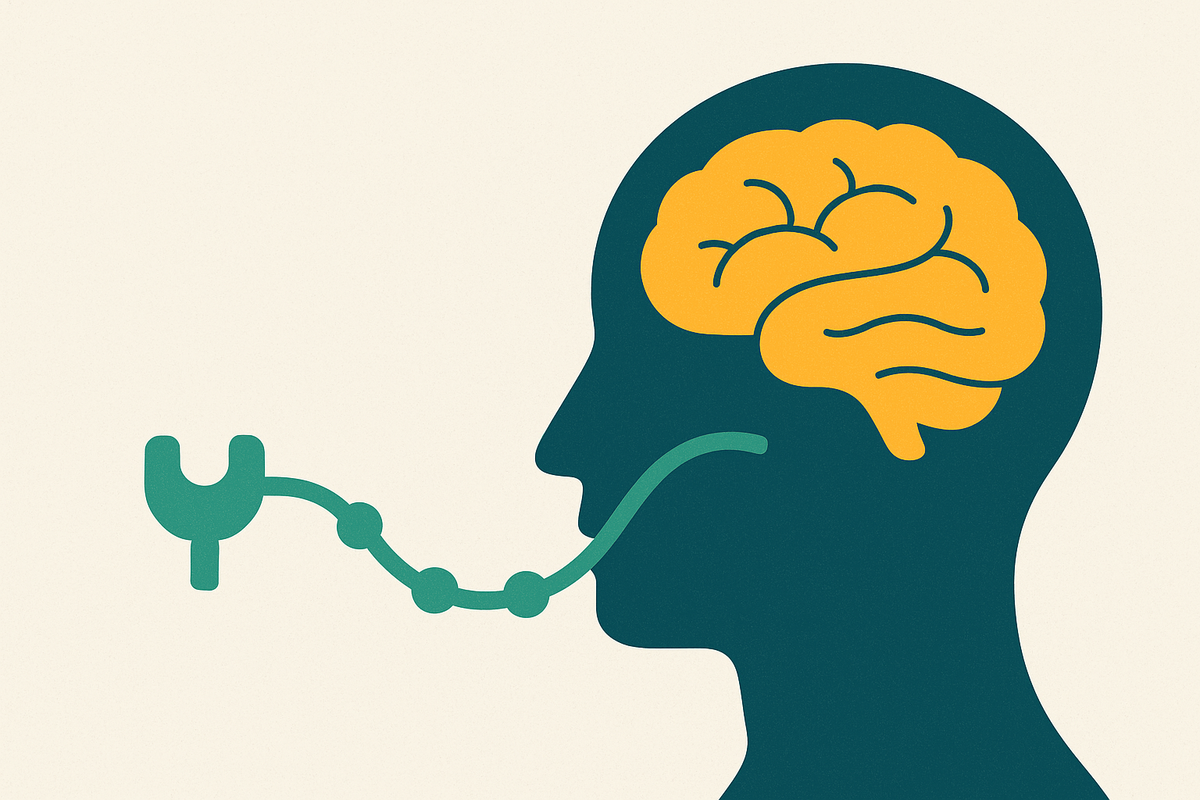
Nose-to-brain delivery could unlock GLP-1's potential for alcohol addiction.
The brain's reward circuitry uses GLP-1 to dampen dopamine surges from drugs and alcohol.
Diabetes drugs show promise against cravings by targeting alcohol's reward pathways.