The Behavioral and Psychological Spiral That Turns GLP-1 Nausea Into Permanent Discontinuation
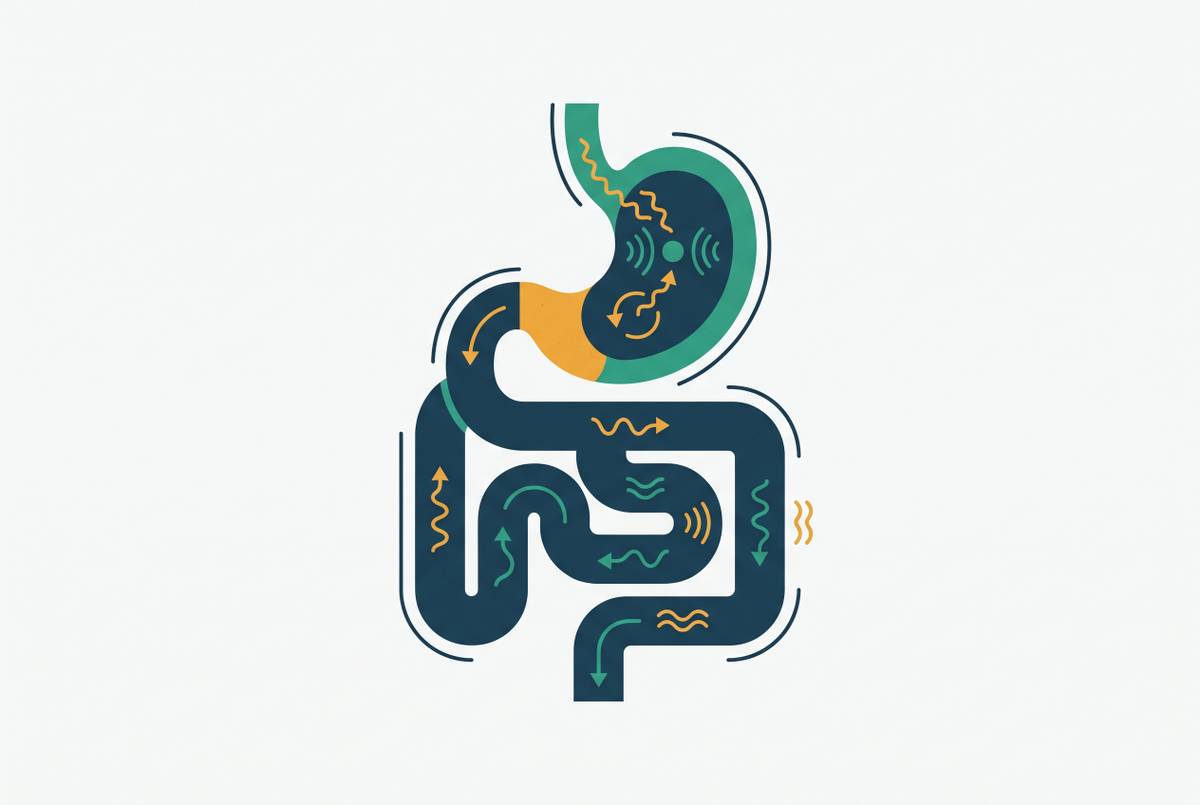
How nausea evolves from side effect into learned aversion driving treatment dropout.
Amara Osei-Bonsu
Section
11 stories in GLP-1 Side Effects and Patient Experience.
How nausea evolves from side effect into learned aversion driving treatment dropout.
Slower dosing and dietary changes help GLP-1 patients tolerate nausea during treatment.
High-dose GLP-1 drugs may spare muscle more than previously thought.
Most GLP-1 patients quit within a year, driven by nausea and cost barriers.
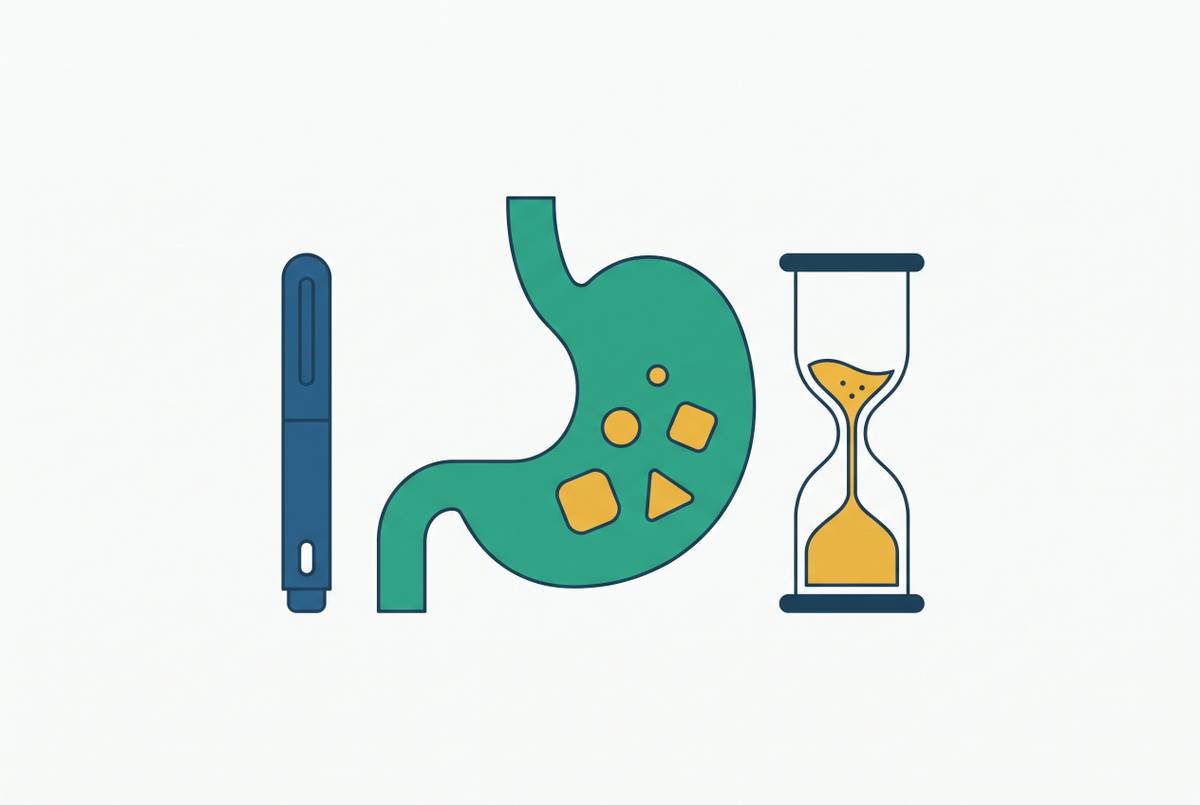
Delayed gastric emptying is common with GLP-1 drugs; true gastroparesis is rare.
Dermatologists miss GLP-1 side effects because skin receptors weren't on their radar.
What happens to your body when you stop taking GLP-1s.
Scientists trace GLP-1 nausea to a toxin-detection system in the brainstem.
Depot formation under the skin, not manufacturing flaws, causes these reactions.
Most patients who quit GLP-1 therapy abandon it just before their nausea would naturally resolve.
Decade-long use of GLP-1 drugs exposes the body to effects trials never measured.