Emerging GLP-1 Indications
GLP-1 Agonists and Parkinson's Disease Neuroprotection
Diabetes drugs show promise in lab but fail to slow Parkinson's in patients.
Priya Costa
Senior Writer · · 11 min read
Diabetes drugs show promise in lab but fail to slow Parkinson's in patients.
Brain scans reveal why these diabetes drugs reduce opioid craving.
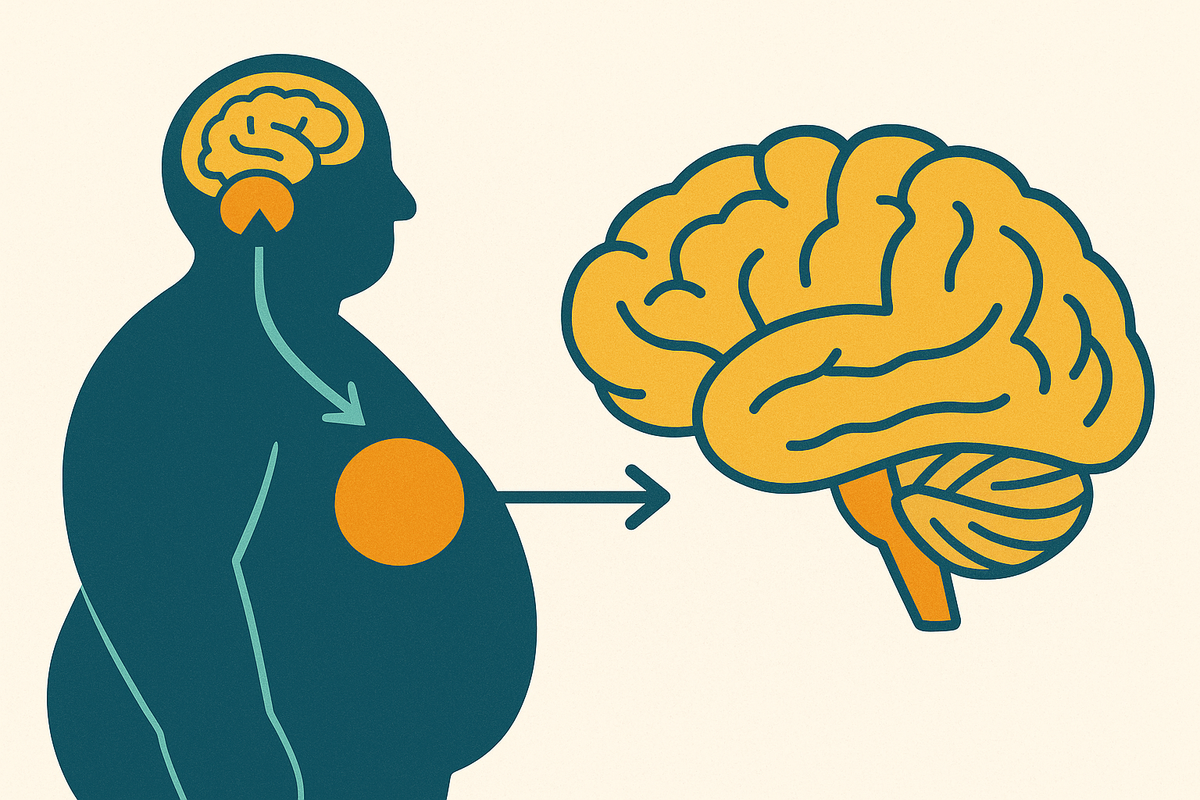
Inflammation in the brain's appetite center may explain why obesity resists conventional treatment.
GLP-1 drugs show promise for Parkinson's through multiple protective pathways in dopamine neurons.
Diabetes drugs show unexpected promise in Alzheimer's models.
Gut-derived receptor shows promise for slowing Alzheimer's brain shrinkage in early trials.
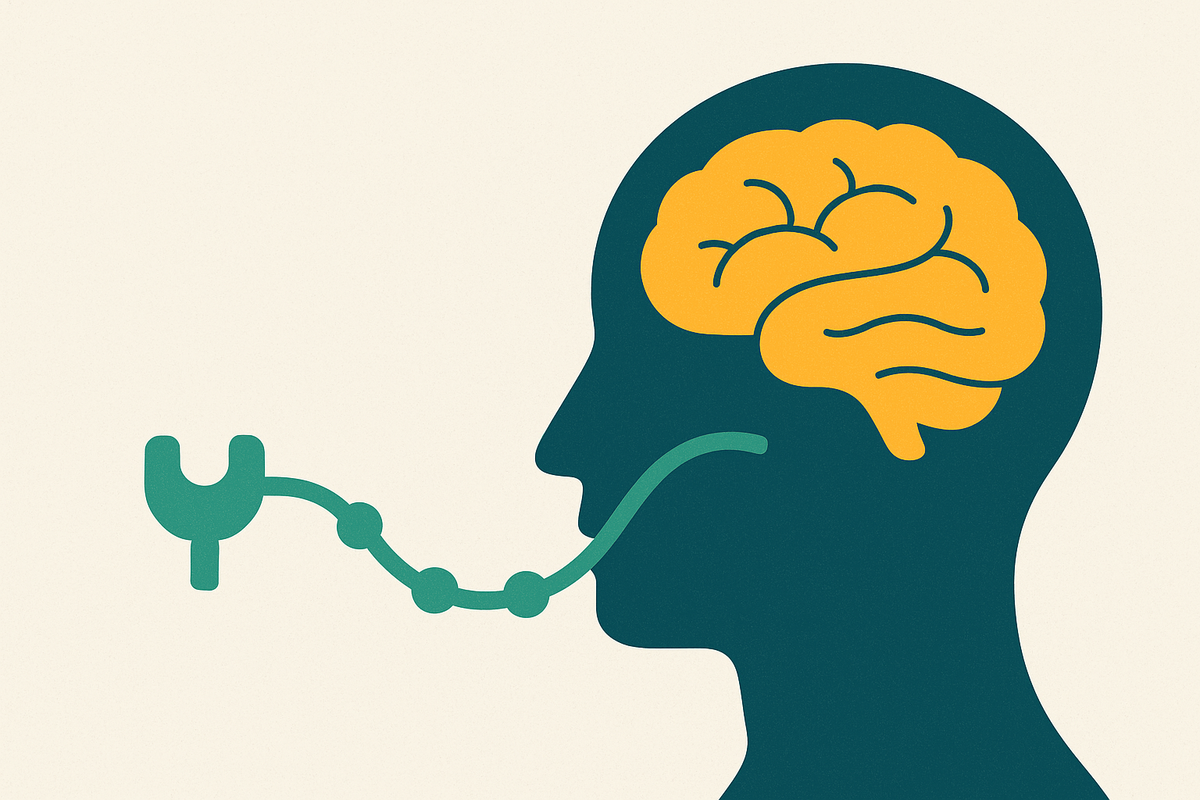
Nose-to-brain delivery could unlock GLP-1's potential for alcohol addiction.
The brain's reward circuitry uses GLP-1 to dampen dopamine surges from drugs and alcohol.
Diabetes drugs show promise against cravings by targeting alcohol's reward pathways.
Tirzepatide's biased signaling may preserve receptor sensitivity better than standard agonists.
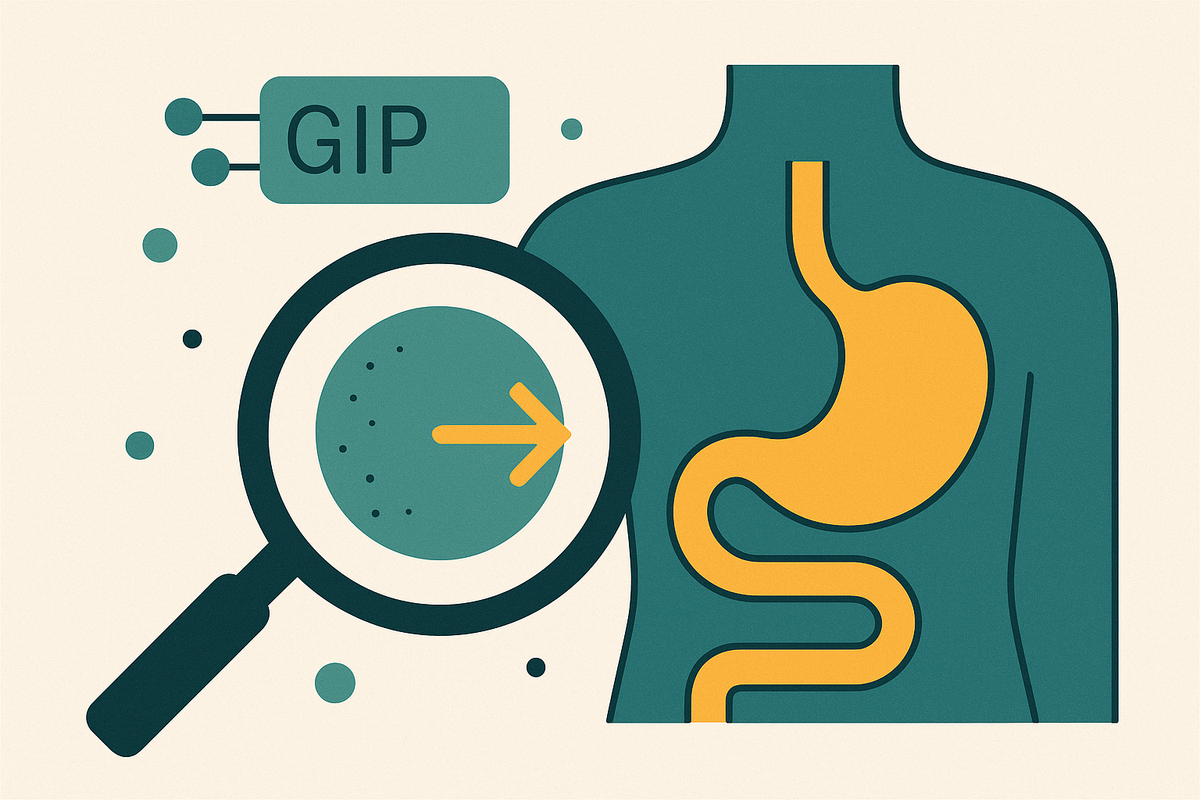
GIP's weight-loss mechanism spans pancreas, brain, and adipose tissue thermogenesis.
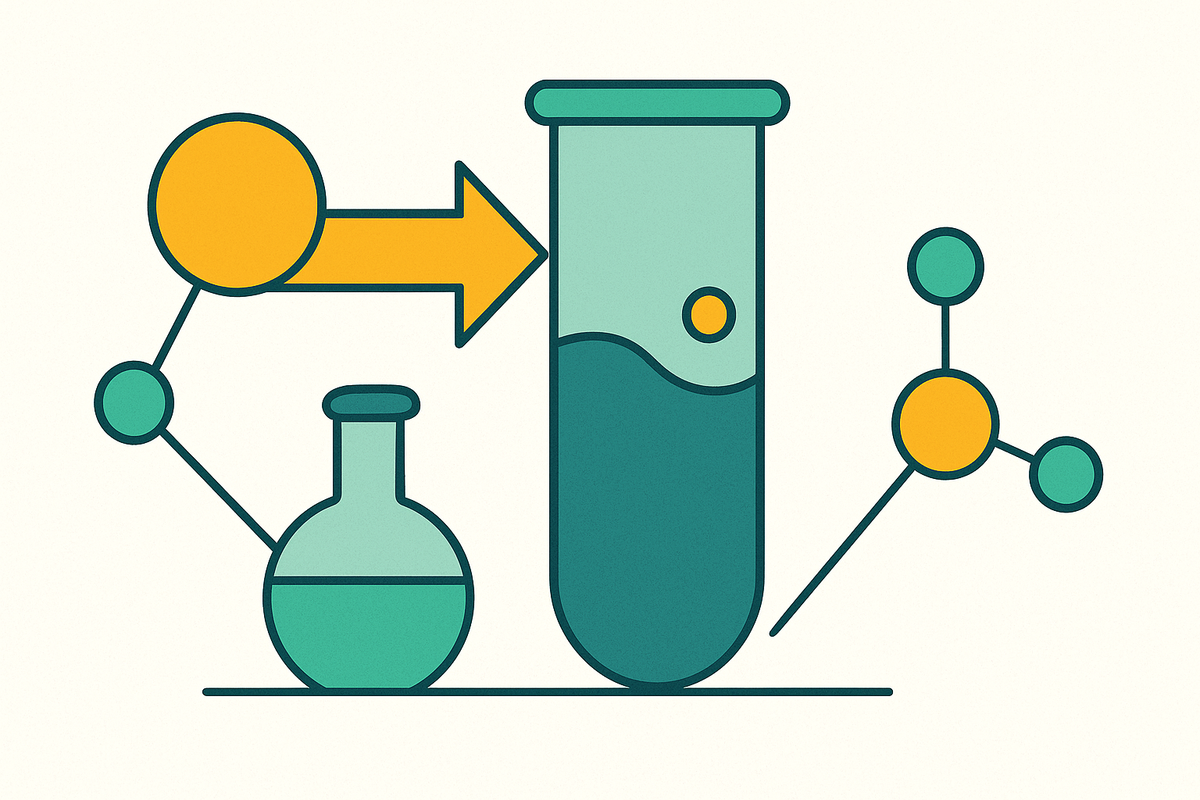
Engineering amino acid swaps and albumin binding stretch GLP-1's survival from minutes to a week.