GLP-1 Receptor Agonist Drug Class Overview
These drugs work far beyond blood sugar control across multiple organs.
GLP-1 receptor agonists are a class of drugs built around a single hormone, glucagon-like peptide-1, but the reason they have become one of the most consequential drug families in modern medicine has little to do with blood sugar alone. The receptor they target sits on tissue throughout the body, in the pancreas, the brain, the heart, the kidney, and the gut, and that distribution is what explains both how far these drugs now reach and why delivering them reliably remains unfinished work. This piece traces that story from the molecule's origin, through its signaling inside the cell, through the generations of drugs built to exploit it, to the clinical evidence now established across three organ systems, and finally to the adherence problem that limits how much of that promise patients actually get to keep.
What GLP-1 receptor agonists are
Glucagon-like peptide-1 is a hormone made in the gut that tells the pancreas how much insulin to release once food arrives. It works alongside a second hormone, glucose-dependent insulinotropic polypeptide, or GIP, and together the two produce something researchers call the incretin effect: the simple but telling observation that sugar taken by mouth triggers far more insulin release than the same amount of sugar delivered straight into a vein (Liu, Frontiers in Endocrinology, 2024). In people with type 2 diabetes, that effect is substantially weaker than it should be. The body still makes GLP-1, but the system that responds to it has gone quiet, and that gap between what a healthy gut signal should produce and what an impaired one actually delivers is the reason synthetic GLP-1 mimetics exist at all: to put back a signal the body has stopped sending strongly enough on its own.
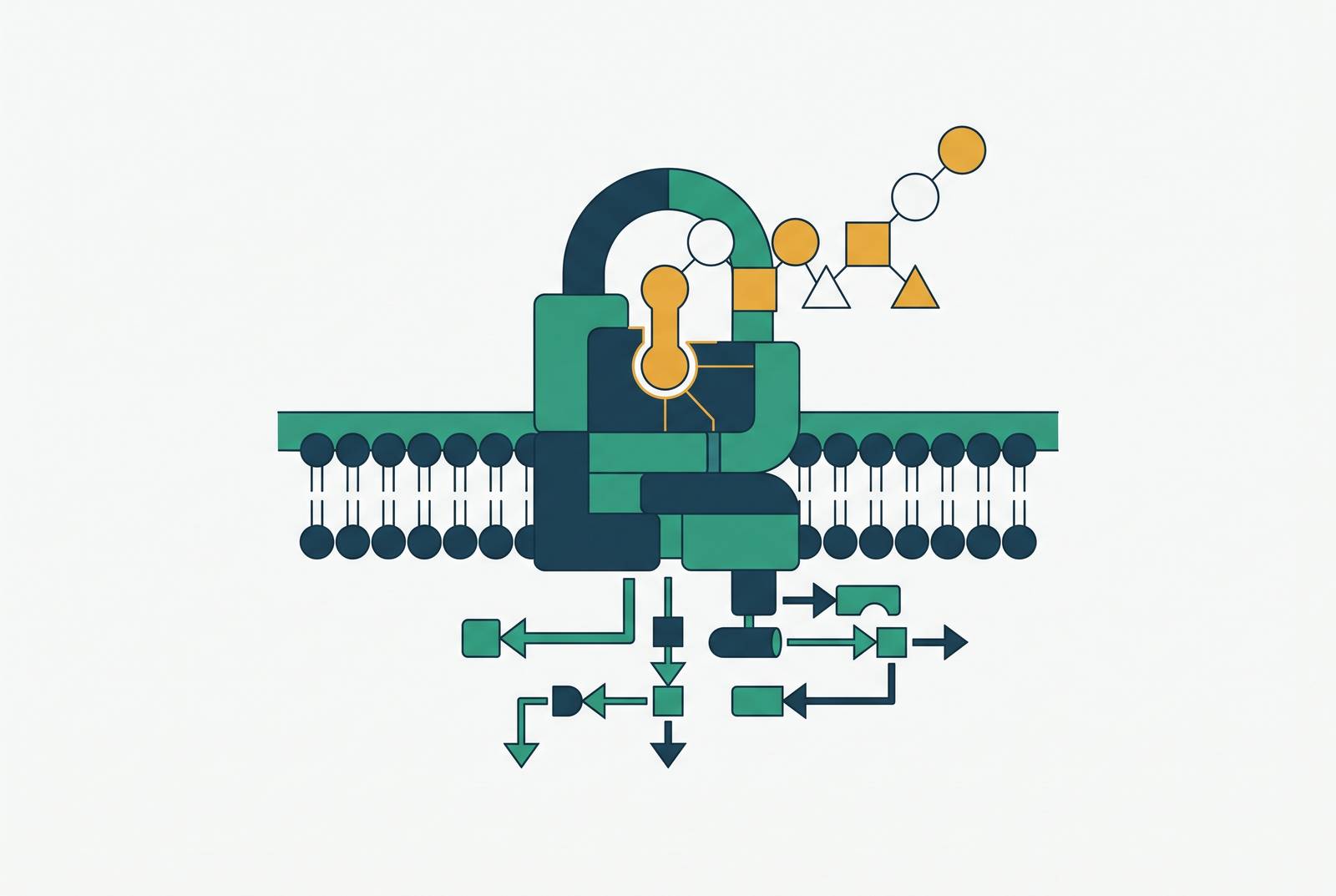
What makes that signal worth replicating well beyond the pancreas comes down to the kind of receptor GLP-1 binds to. It is a class B G protein-coupled receptor, a structurally distinct family of receptors known for turning up in tissue far beyond wherever they were first discovered (Patel & Niazi, Pharmaceutics, 2025). That tissue distribution has been confirmed across pancreatic islets, the central and peripheral nervous systems, cardiovascular tissue, the kidneys, the lungs, and the gastrointestinal tract. A receptor that appears across that many organ systems was never going to stay confined to glucose control. The molecule's job description, in other words, was broader than its original billing from the start.
How the receptor signals inside a cell
The signaling cascade that follows binding does more than one job at once: it raises the level of cyclic AMP inside the cell, which in turn switches on two downstream players, protein kinase A and Epac2, which together drive the release of insulin (Kurowski et al., Medical Journal of Cell Biology, 2026). The insulin release this cascade produces is glucose-dependent: it scales with how much sugar is actually present in the blood at that moment. That dependency matters clinically because it is the reason these drugs carry a much lower risk of hypoglycemia than older diabetes treatments that force insulin out regardless of need.
But what if that cascade stopped at insulin secretion? It doesn't, and that is the detail that separates this drug class from a narrower glucose-lowering agent. The same signaling pathway also reduces stress inside the endoplasmic reticulum of pancreatic beta cells and protects those cells from dying off (Kurowski et al., 2026). The drug does more than manage a symptom in the moment: it potentially slows the loss of the cells that make insulin. Beyond the pancreas, that cascade also improves mitochondrial function, dampens inflammation, and supports better cellular housekeeping across several organ systems (Patel & Niazi, 2025). None of that happens through a different drug or a second receptor. It is the same signal, read differently by different tissue.
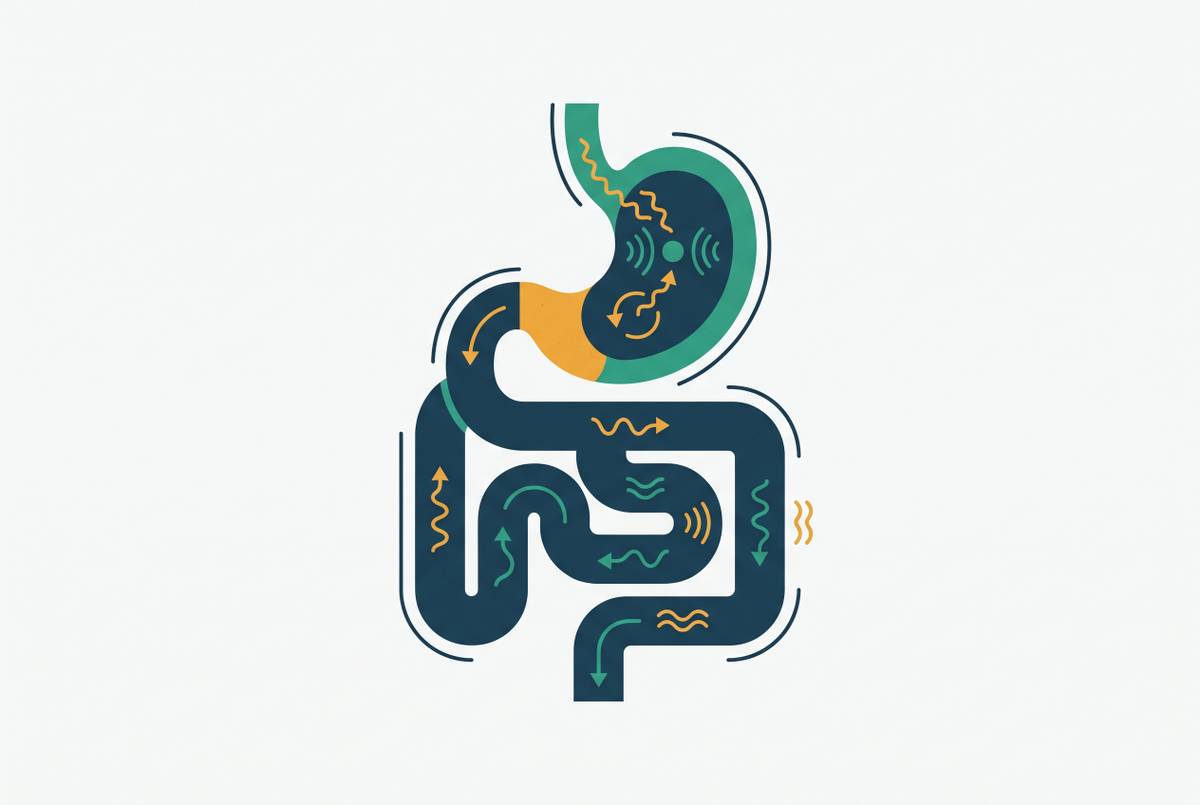
The interplay between GLP-1 and its sibling hormone GIP adds another layer: GIP tends to promote fat storage directly, while GLP-1 promotes fat breakdown indirectly, and the two together help keep fat cells functioning normally and reduce the kind of fat that builds up where it shouldn't, in organs like the liver (Liu, 2024). They also raise adiponectin, a hormone tied to healthy metabolic regulation. Layered on top of all this are effects that are now well established in the literature: slower gastric emptying, suppressed glucagon release, favorable shifts in the gut microbiome, and direct signaling to the hypothalamus that increases the feeling of fullness (Rosen & Ingelfinger, New England Journal of Medicine, 2026). A single receptor binding event sets off a cascade that touches appetite, inflammation, cell survival, and fat metabolism all at once. That breadth earns the claims the next two sections make about drugs that act across several organs.
Generations of drug development: from twice-daily injections to multi-agonists
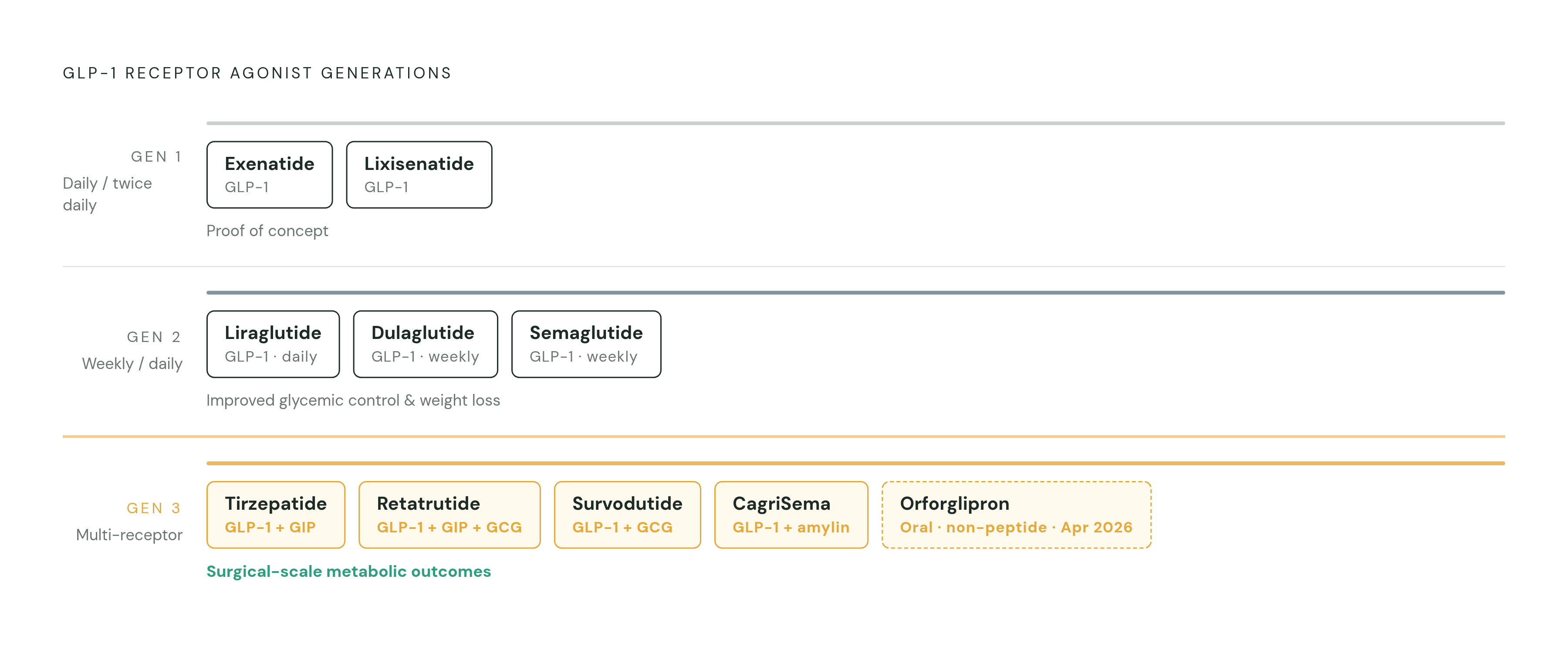
Scientists did not improve these drugs simply by making them last longer in the body. Each generation represents a deeper attempt to exploit the same signaling breadth described above, pulling more of that biology out of the receptor and extending how long one dose lasts.
The first generation, built on molecules like exenatide and lixisenatide, required injections once or twice daily and delivered modest results, but its real contribution was proving the concept worked at all (Patel & Niazi, 2025). The second generation, which includes liraglutide, dulaglutide, and semaglutide, engaged the receptor more effectively and stayed active in the body longer, which let dosing stretch out to once daily for liraglutide and once weekly for dulaglutide and semaglutide. Glycemic control and weight loss both improved meaningfully at this stage.
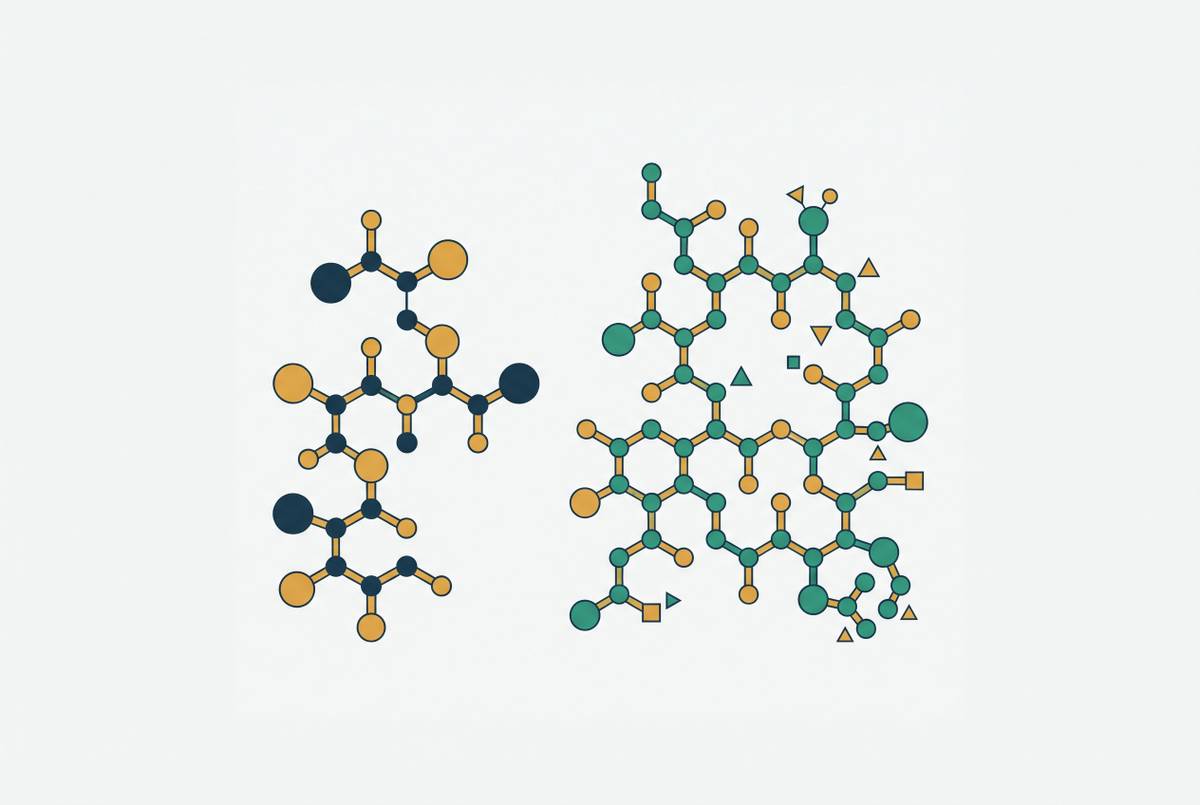
The third generation is where the story gets genuinely interesting, because it stops relying on GLP-1 alone and starts co-activating neighboring receptor systems instead. Tirzepatide activates both GLP-1 and GIP receptors. Retatrutide goes further, activating GLP-1, GIP, and glucagon receptors together. Survodutide pairs GLP-1 with glucagon. By hitting more than one receptor at once, these drugs achieve metabolic results that were previously reachable only through bariatric surgery (Patel & Niazi, 2025). CagriSema, which combines semaglutide with cagrilintide, and tirzepatide both show this kind of synergy, in CagriSema's case through co-activation of GLP-1 and amylin receptors, and in tirzepatide's case through GLP-1 and GIP.
One might ask why combining receptors produces more than the sum of its parts rather than just adding two separate effects together. Part of the answer lies in how GIP and GLP-1 behave at opposite ends of the blood sugar spectrum: GIP promotes glucagon release during hypoglycemia, while GLP-1 suppresses glucagon release during hyperglycemia, so together they guard against swinging too far in either direction, something neither hormone can do alone (Liu, 2024).
Delivery format is changing too, not just receptor targeting. Orforglipron, the first oral small-molecule, non-peptide GLP-1 receptor agonist, received FDA approval for weight management in April 2026. That approval marks a real departure from the peptide chemistry that every earlier generation relied on, opening a separate branch of development focused on how these drugs are taken. Taken together, the generational arc of this drug class has moved in two directions simultaneously, toward hitting more receptors and toward reaching patients through easier delivery, and both directions trace back to the same insight: a receptor this widely distributed rewards every new way scientists find to engage it more fully.
The established therapeutic benefits across the pancreas, heart, and kidney
The receptor distribution and signaling breadth described above are not abstractions. They show up as measured clinical outcomes across three organ systems with trial evidence substantial enough to change how this drug class gets described.
Diabetes management remains the foundation, with large randomized controlled trials establishing meaningful reductions in HbA1c, the standard marker of long-term blood sugar control (Patel & Niazi, 2025). Weight loss has become just as central to the class's reputation, with third-generation multi-agonists reaching magnitudes of weight reduction once achievable mainly through surgery (Patel & Niazi, 2025).
Cardiovascular protection extends the story into territory that has nothing directly to do with blood sugar. Large trials show meaningful reductions in major adverse cardiovascular events among high-risk patients and those with type 2 diabetes, through mechanisms that include preventing damaging structural changes in the heart and improving how well blood vessels function (Kurowski et al., 2026; Rosen & Ingelfinger, 2026). The kidney tells a similar story: GLP-1 receptor agonists slow the progression toward renal failure in high-risk patients and those with type 2 diabetes, in part by reducing oxidative stress in kidney tissue (Rosen & Ingelfinger, 2026; Kurowski et al., 2026).
Because GLP-1 receptors sit directly on heart and kidney tissue, these protective effects appear to run at least partly independent of how much weight a patient loses or how much their blood sugar improves. A drug whose heart and kidney benefits traveled only through weight loss would be a diabetes drug with pleasant side effects. A drug whose heart and kidney benefits also run through direct receptor activity is something closer to a platform that happens to treat diabetes as one of several jobs.
That reframing comes with an asterisk the researchers themselves flag: longer follow-up studies are still needed to work out which of these benefits come directly from receptor activation and which arrive secondhand, through the weight loss the drugs also produce (Kurowski et al., 2026; Rosen & Ingelfinger, 2026). That distinction carries real weight for a patient who cannot lose or sustain weight loss on these drugs: does that patient still get the heart and kidney protection, or does that protection depend on the scale moving? Nobody has fully answered that question yet, which signals a research base still being built carefully.
Why adherence is failing patients
None of the benefit described above means anything to a patient who cannot stay on the drug long enough to receive it, and that is exactly where this drug class runs into its most stubborn problem. Gastrointestinal side effects, nausea, vomiting, diarrhea, and constipation, are the most common adverse effects of GLP-1 receptor agonists, and they are the leading reason patients stop treatment altogether (Kurowski et al., 2026).
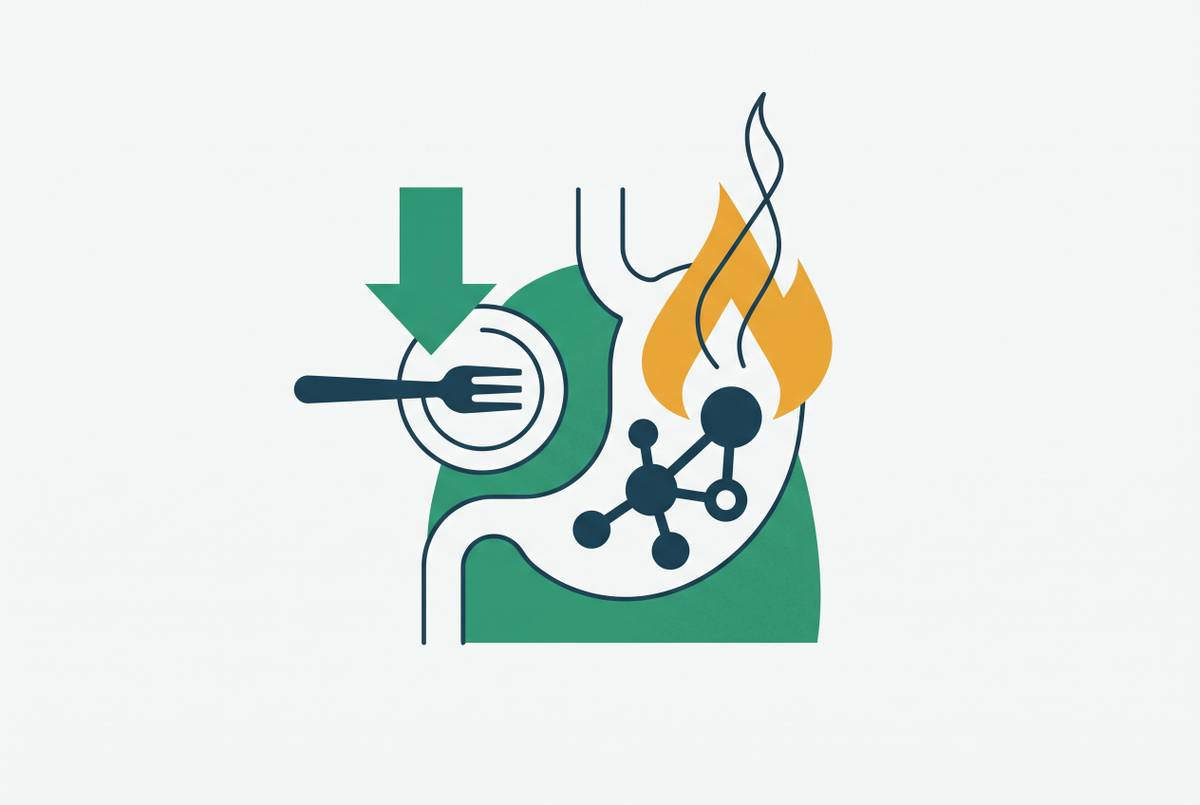
The same delayed gastric emptying that helps suppress appetite is what produces the nausea, especially while a patient's dose is still being raised toward a therapeutic level. The drug's appetite benefit and its worst side effect come from the identical physiological lever, which makes tolerability harder to engineer away than it might first appear.
Timing makes the picture sharper still. In the SELECT trial, GI-related discontinuation in the semaglutide arm clustered overwhelmingly in the first 16 weeks of dose escalation, and patients who made it past that window largely stayed on therapy. That pattern tells a specific story: dropout concentrates in a narrow early stretch, a tolerability cliff right at the start of treatment, and that concentration points directly at where the next wave of formulation work needs to focus, on getting patients through those first sixteen weeks instead of reformulating the drug's long-term chemistry.
Even patients who clear that window are not entirely in the clear on open questions. Rosen and Ingelfinger note that uncertainty remains about weight regain after a patient stops treatment, and about what loss of muscle and bone mass during long-term use means for a patient's function over time. Those are not small footnotes. A drug that produces extraordinary metabolic results only for as long as a patient can tolerate it, and whose benefits may partially reverse on discontinuation, is a drug whose real-world value depends enormously on solving adherence, beyond efficacy alone. The receptor's reach across the pancreas, heart, and kidney is now well established. Whether patients can stay connected to that reach long enough to benefit from it is the question now shaping where the field turns next.