Subcutaneous vs. Alternative Delivery Routes for GLP-1 Therapeutics
How delivery method shapes brain access and real-world adherence to GLP-1 drugs.
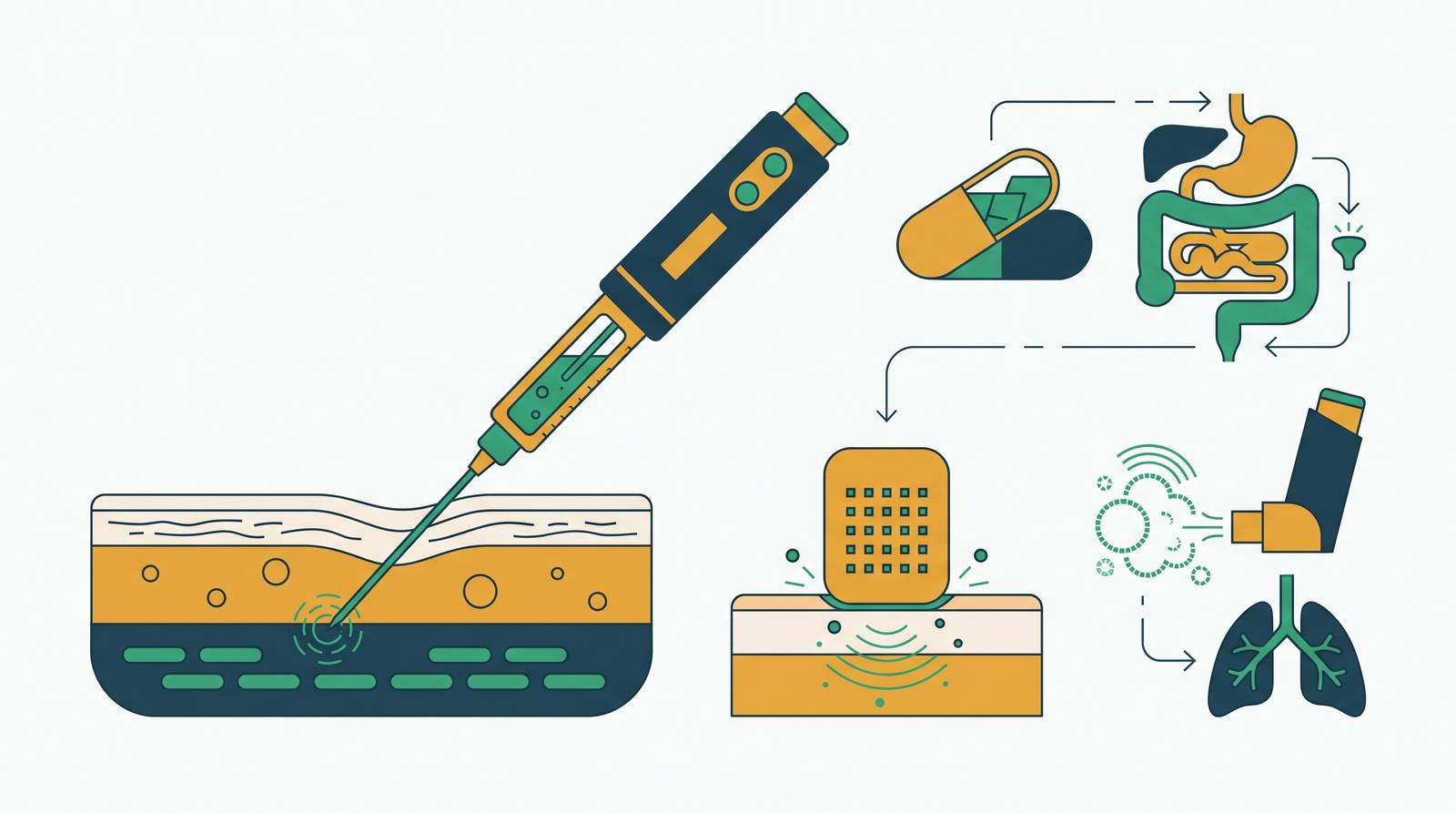
GLP-1's effect on the body depends entirely on where the molecule ends up, and how it gets there decides how much of it the brain ever sees. That's the real subject here: delivery route as the hidden variable behind a drug class everyone talks about in terms of molecule, not method. GLP-1 is a gut hormone, released after meals, that lowers blood sugar, slows stomach emptying, and signals fullness to the hypothalamus. Left alone in the bloodstream it survives barely two minutes before the enzyme DPP-4 chews it apart, which is why the industry spent two decades engineering analogs built to resist that breakdown.
Solving the half-life problem didn't solve the delivery problem, though. The same peptide backbone that gives these drugs stability also makes them large and water-loving, structurally unable to slip across a cell membrane on its own. That's fine if GLP-1 receptors only lived in the pancreas and gut. They don't. GLP-1R turns up in the hippocampus, the frontal cortex, the substantia nigra, regions that handle memory, decision-making, movement. Once you know that, delivery route stops being a matter of convenience and becomes a question of which receptor populations a drug can physically reach.
How subcutaneous injection became the default and what it actually delivers
Subcutaneous tissue works like a depot. Inject a long-acting GLP-1 analog under the skin and it leaks into the bloodstream slowly, and that slow leak is the whole trick behind once-weekly dosing. For SC GLP-1, bioavailability means something fairly narrow: steady plasma levels, pharmacokinetics that behave the same dose after dose, a decade of trial data thick enough that doctors don't second-guess the numbers.
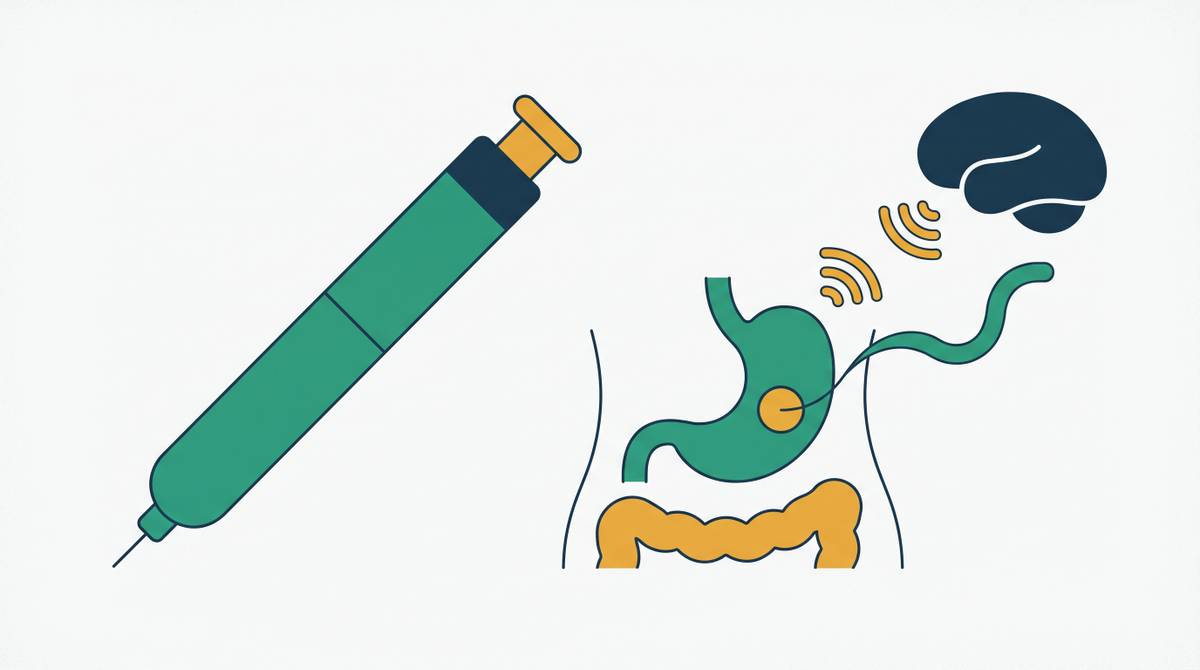
What's worth picking apart is what happens after the drug hits circulation and starts heading toward the brain. For any central target, whether that's satiety centers in the hypothalamus, memory circuits in the hippocampus, or dopamine pathways tied to reward, the drug still has to clear the blood-brain barrier. The BBB is picky by design. It keeps most drugs out of the CNS entirely, and GLP-1 analogs get no exception. So the picture ends up lopsided: heavy concentration sitting in peripheral tissue, a sliver reaching the brain. The peripheral effects, on the pancreas, gut, liver, are well proven and clinically solid. The central effects are real too, but they show up sideways, through a barrier the drug was never built to cross, and only after the rest of the body has already soaked in it.
Injectables still hold the largest share of the GLP-1 market by delivery route in 2025, and that owes as much to being first as to being best. The earliest approved analogs were shots, so prescribing habits, insurance pathways, and clinic workflows all grew up around the needle. Market projections put the overall GLP-1 space growing from roughly $47.49 billion in 2024 to $471.10 billion by 2032, a 33.2% compound annual growth rate. A market that size is exactly why the delivery method deserves scrutiny on its own terms, separate from whatever molecule happens to be riding inside it, something startups reformulating GLP-1s as nasal-spray therapies, like Lionbio, are betting on directly. Asking whether a drug works is one question. Asking whether the way we're getting it into the body is the best answer, or just the first one the FDA happened to approve, is a different question entirely.
The real-world discontinuation problem that efficacy numbers obscure
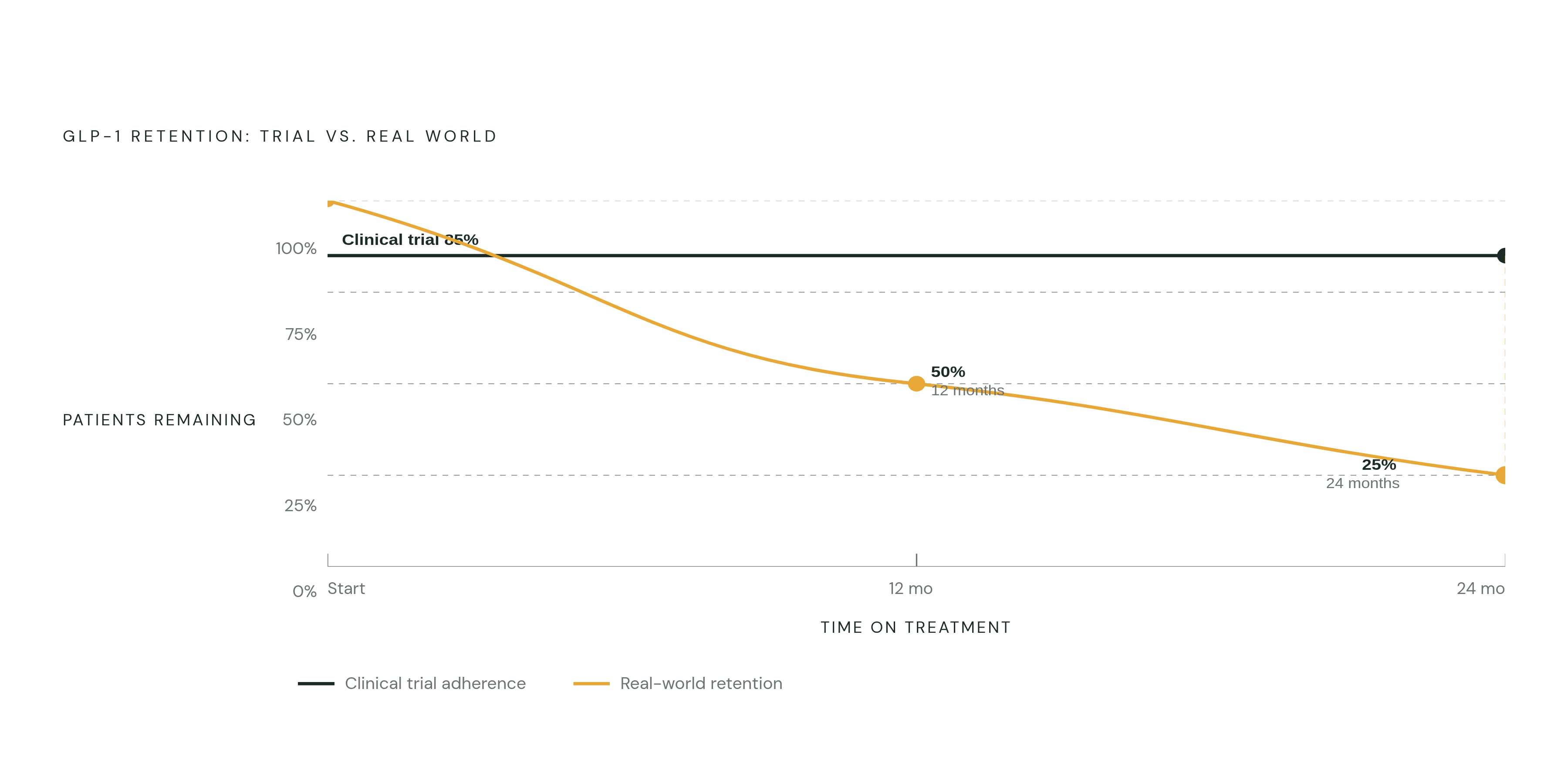
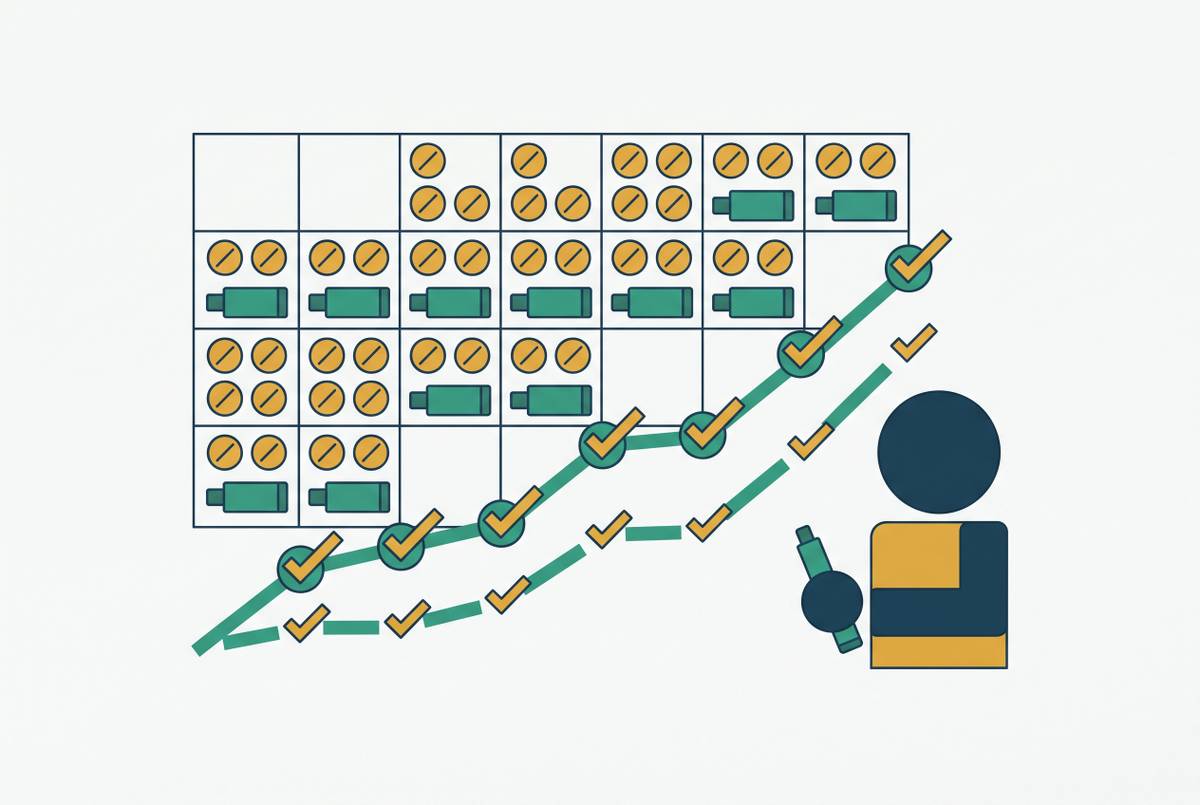
GLP-1 obesity treatment clinical trials report adherence above 85% in trial conditions. Real life tells a colder story. Prime Therapeutics found that roughly half of patients quit within the first year, and about three-quarters have stopped by year two. That gap is wide enough to count as its own finding, not a footnote tucked under the efficacy tables.
Who quits isn't random, either. Lower-income patients, people over 65, and patients juggling several chronic conditions drop out at much higher rates — a bitter irony given that these are the same groups carrying the heaviest burden of metabolic disease to begin with. Cost is one obvious culprit: annual gross costs run past $12,000 per patient, and reports indicate more than half of GLP-1 users said they struggled to afford the drug. But cost isn't the whole story. Fear of self-injection, the stigma of carrying a needle around, real difficulty for patients with vision or motor problems: these push a meaningful slice of patients away no matter the price tag. GI side effects, nausea and vomiting especially, drive people off the drug at notably higher rates within that first year, particularly among patients who already had a rocky history with GI medications.
Why do those GI side effects happen at all? They trace directly back to systemic exposure, to the fact that an SC injection floods the entire body with drug on its way to wherever it's actually needed. GI intolerance ends up being as much a result of the delivery route as of the molecule itself. So is the gap between trial results and real-world persistence a willpower problem, or a delivery design problem? The data lean hard toward design. What do the alternative routes actually solve, and what do they give up in trade? The rest of this piece works through exactly that.
Oral peptide GLP-1: what low bioavailability limits and why it still matters
Oral peptide semaglutide, approved in 2019, was a genuine milestone, the first oral GLP-1 receptor agonist to reach patients. But the achievement came bolted to an absorption ceiling straight out of basic chemistry. GLP-1 peptides get digested in the stomach like any other protein you eat, and oral absorption sits extremely low, even with a permeation enhancer and a strict fasting routine required just to get that far.
Low bioavailability shapes everything downstream of it. Doses have to run far higher than the injectable version to hit comparable plasma exposure, and pill-to-pill variability swings hard with food intake, water volume, timing around the last meal. GI side effects don't go away, because systemic exposure still drives peripheral receptor activation; that exposure hasn't really changed, only the difficulty of the road it took to get there. The compliance win is real: no needle, no injection stigma, a pill form patients already understand. But it's a partial win, one that leaves nausea and cost mostly untouched.
On the CNS side, oral peptide semaglutide reaches the brain the exact same way SC injection does, through the bloodstream, subject to the same BBB bottleneck. Oral peptide GLP-1 widens access, especially for people who'd never touch a needle, but the underlying pharmacokinetics barely move. The molecule just takes a rougher road to the same destination.
Small-molecule oral GLP-1: higher bioavailability, different risk profile
Orforglipron, approved in April 2026, changes the chemistry itself rather than just the format you swallow it in. It's the first FDA-approved small-molecule, non-peptide GLP-1 receptor agonist built for oral once-daily use, and its bioavailability that is markedly higher marks a real step-change from oral peptide GLP-1. The reason is simple enough: as a synthetic molecule designed from scratch, it activates GLP-1R without a peptide backbone, so it skips the enzymatic breakdown that limits peptide absorption in the gut entirely.
The ATTAIN-1 trial, published in the New England Journal of Medicine in 2025, showed 72 weeks of treatment producing significantly greater weight loss than placebo, with an adverse-event profile broadly in line with the rest of the GLP-1 class. A strong result, no question. But the small-molecule scaffold brings along a risk peptides never had to deal with. Small molecules get broken down by liver enzymes, the CYP450 family, in a way peptides simply aren't, and that opens the door to pharmacogenomic variability. CYP2C19 poor metabolizers, a substantial share of East Asian populations, face higher drug exposure and higher adverse-event risk as a result.
A structurally related benzimidazole compound from a different developer, danuglipron, got pulled after hepatotoxicity-related tolerability failures, a cautionary data point the entire small-molecule class now has to carry around. On the CNS side, small molecules cross the blood-brain barrier more easily than peptides generally do, which sounds encouraging for brain penetration on paper. But paper isn't characterization, and receptor selectivity at CNS targets still needs real work before anyone can say how much of that crossing turns into a meaningful central effect. Small-molecule oral GLP-1 is, right now, the most consequential near-term alternative to injection for metabolic indications outside the brain. Its reach into the nervous system, and its long-term liver safety record, are questions nobody has fully answered yet.
The nose-to-brain route: bypassing the barriers that every other approach navigates around
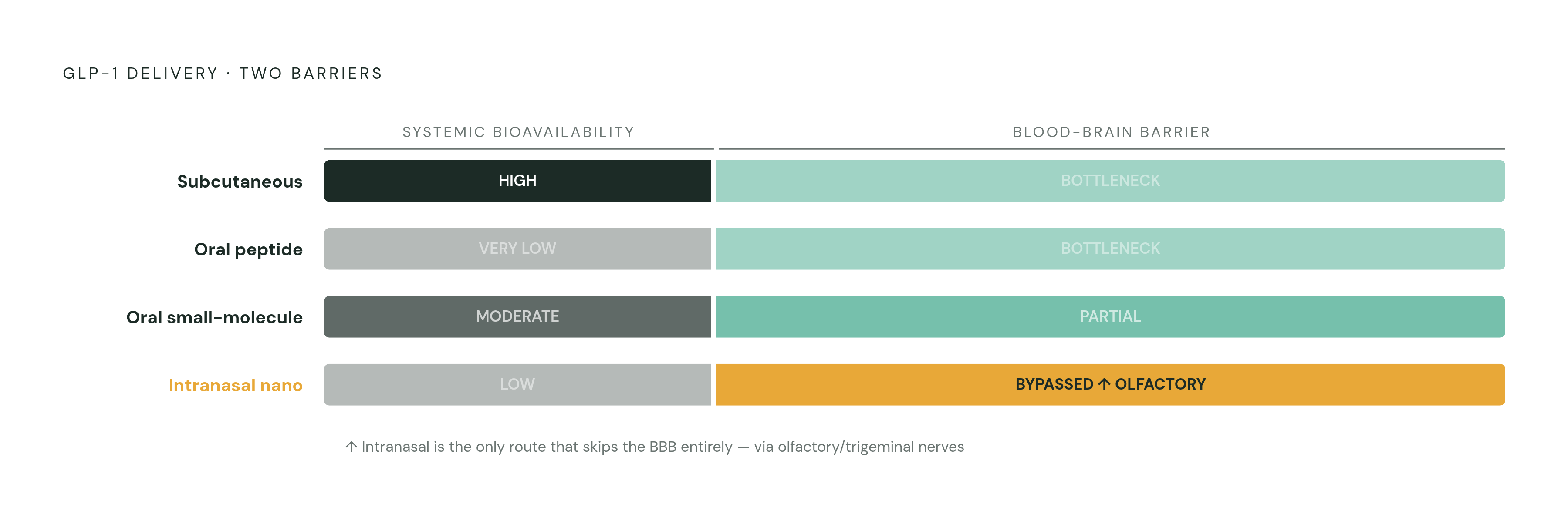
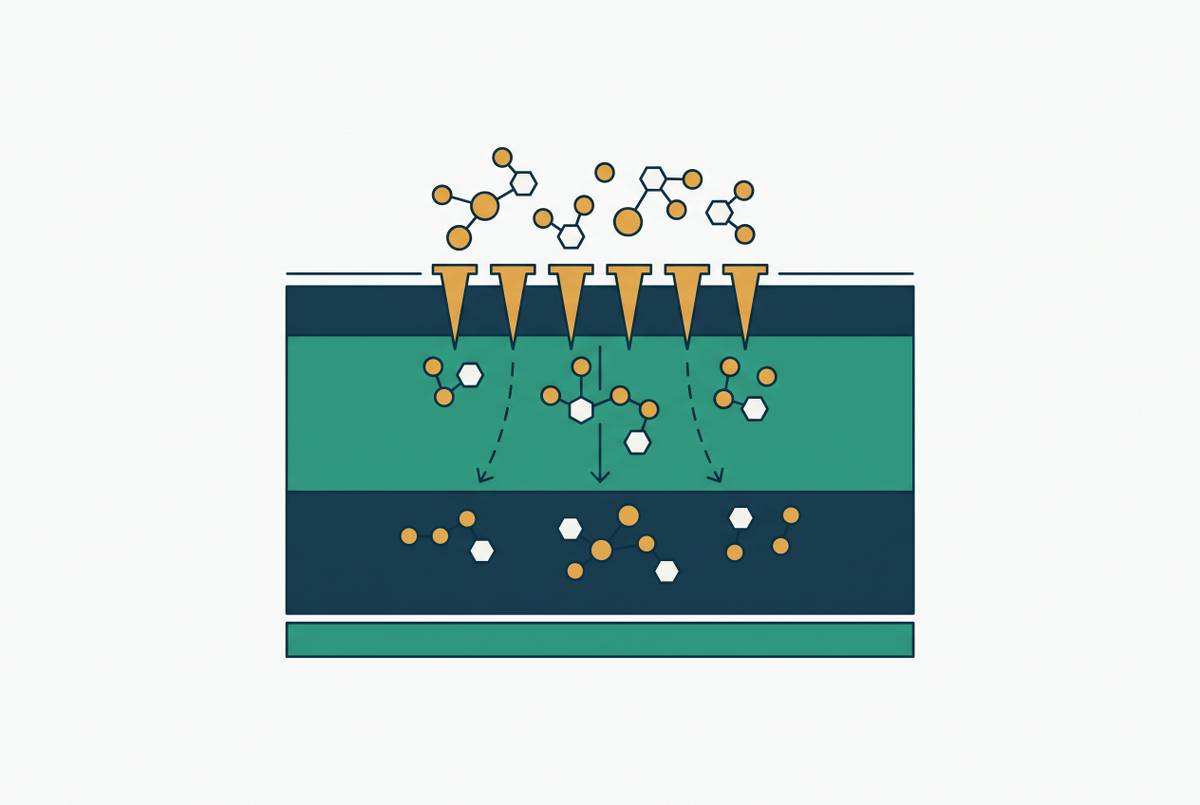
Every route covered so far shares one feature: the drug enters the bloodstream first, and if it reaches the brain at all, it gets there by crossing the blood-brain barrier from inside the blood. Intranasal delivery skips that step. The olfactory and trigeminal nerve pathways offer a direct anatomical shortcut from the nasal cavity straight to the brain, bypassing the bloodstream and the BBB altogether. Drug deposited on the olfactory epithelium can travel to brain structures through axonal transport and diffusion along these two nerve routes, rather than waiting to be filtered in through blood vessels.
That distinction changes the pharmacology in ways worth walking through slowly. Skipping the BBB opens up higher drug concentration in specific brain regions using a lower total dose, and lower systemic exposure for the same central effect. That's the mechanistic argument for why this route might cut peripheral GI side effects instead of just tolerating them. First-pass liver metabolism, which chews up a chunk of any orally absorbed peptide before it ever reaches circulation, gets avoided outright.
At the cellular level, nasal epithelium supports several transport mechanisms: clathrin-mediated endocytosis, caveolae and lipid raft internalization, receptor-mediated transcytosis. Particle-based and surface-modified delivery systems can be engineered around these mechanisms rather than just hoping they happen on their own. The preclinical evidence specific to GLP-1 is suggestive. Intracerebroventricular GLP-1 has improved learning and memory in animal models, and cell-penetrating peptide modifications, PAS-CPP-GLP-1 constructs among them, have shown trigeminal nerve transit with axonal transport to neighboring nerve cells in preclinical work. Khan and colleagues, writing in Expert Opinion on Drug Delivery in 2024, laid the logic out plainly: SC GLP-1 drugs have to cross the BBB to reach appetite and reward centers, while nasal delivery could hit higher brain concentrations with lower systemic exposure and fewer GI side effects.
That specificity opens up access to places injection was never built to reach directly: hippocampal circuits tied to dementia, dopaminergic circuits tied to addiction, both carrying GLP-1R, neither ever really served by a shot under the skin.
The engineering barriers that make intranasal peptide delivery hard to get right
None of that potential comes free, though. The nasal lining clears deposited material through mucociliary action within roughly 15 to 20 minutes, according to Khan et al.'s 2024 review, leaving an unprotected peptide a brutally short window to get absorbed before it's swept away. Proteolytic enzymes in nasal secretions make it worse, tearing apart peptide backbones before absorption finishes the job.
Then there's a translational gap that preclinical data can't paper over. In rodents, the olfactory epithelium covers a large share of total nasal surface area, which is part of why rodent nose-to-brain studies tend to look so promising. In humans, olfactory epithelium covers only a small fraction of nasal surface. That gap matters. Results from rodent models can't be assumed to scale proportionally to people, because the anatomical target is a far smaller slice of the available real estate to begin with.
Dose uniformity adds another layer of trouble. Aerosol droplet size, where it lands, how consistently a patient actually uses the spray: all of it affects how much drug reaches olfactory tissue versus ordinary respiratory epithelium, where it does little for the brain. And larger molecules like GLP-1 analogs aren't naturally built to slip through cells in the first place. Deposit an unmodified peptide on nasal mucosa and most of it gets cleared or broken down before any meaningful amount reaches a nerve terminal. This is mostly an engineering problem rather than a fundamental pharmacology one, which is exactly why nanoparticle formulation is the live frontier here, not a dead end.
How nanoparticle carriers change the math for intranasal GLP-1
Wrapping a peptide in a nanoparticle carrier tackles the barriers above one at a time, not all at once by luck. The particle's main job is protection: shielding the peptide cargo from proteolytic enzymes in nasal mucosa long enough for absorption to happen. Mucoadhesive surface coatings slow mucociliary clearance, stretching that absorption window well past the unprotected 15-to-20-minute ceiling. Particle size and surface chemistry can also be tuned to favor landing on olfactory epithelium over the much larger respiratory surface surrounding it.
Surface modification pushes this further. Attaching ligands and mucoadhesive coatings changes how a particle interacts with epithelial cells and can trigger receptor-mediated transcytosis, turning what would otherwise be passive deposition into something closer to active uptake. Passive deposition depends on luck and timing. Receptor-mediated uptake depends on designed molecular recognition, a meaningfully different mechanism, and one that's actually engineerable.
Nanoparticle carriers work as a platform, not a one-off formulation. The same particle architecture built to carry a GLP-1 analog could carry other peptides, gene-editing constructs, or neuroprotective agents toward the same brain targets, which gives the underlying delivery system value well past any single payload. The design goal pulls in two directions at once: fix the compliance failure that plagues injections (the needle burden, the nausea), while also solving the CNS access problem shared by every systemic route, oral peptide and small-molecule alike. Neither of the oral approaches discussed earlier was built with that second goal in mind.
This work sits at an early preclinical stage, and the honest constraint is that turning encouraging rodent nose-to-brain results into human outcomes takes formulation engineering built specifically around human nasal geometry, not just scaled up from animal data. Formulation rigor and patent depth still have to earn their way past that constraint. Nobody gets to assume it away.
Which neurological indications the route difference actually unlocks
GLP-1R showing up in the hippocampus, frontal cortex, and substantia nigra isn't incidental biology. It maps directly onto memory, decision-making, mood, and movement, which is why the conversation around this drug class keeps stretching well past diabetes and weight loss.
Alzheimer's disease is the most closely watched direction here. GLP-1 receptor agonism activates the cAMP/PKA, PI3K/Akt, and MAPK signaling cascades, pathways tied broadly to neuron survival, and preclinical and early clinical evidence suggests GLP-1R agonism can cut neuroinflammation and amyloid buildup, an active research area as of 2025 reporting from BrightFocus and University of California researchers. Route matters here in a very concrete way: systemic GLP-1 reaches the brain at a concentration capped by whatever the BBB lets through, while direct nose-to-brain delivery could, at least in theory, reach therapeutic brain concentrations that systemic dosing can only chase through dose escalation, dragging the full peripheral side-effect burden along behind it.
Addiction and reward circuitry is the second frontier worth watching. GLP-1R shows up in dopaminergic structures, the nucleus accumbens and ventral tegmental area among them, regions central to craving, reward, and substance use. Preclinical work already shows GLP-1R agonism cutting alcohol, nicotine, and opioid-seeking behavior in animal models, and human observational data are starting to trickle in alongside it. Getting drug directly to these circuits, instead of hoping enough of a systemically dosed molecule crosses the BBB to reach them, is a kind of targeted access that injection, oral peptide, and small-molecule delivery were never built to provide. Whether that promise survives the jump from rodent olfactory anatomy to human olfactory anatomy is a question the field is still working through. It hasn't earned the right to call that question settled, not yet.