Emerging GLP-1 Indications
GLP-1 Agonists in Non-Alcoholic Fatty Liver Disease
GLP-1 drugs shrink liver fat but struggle with fibrosis alone.
Amara Osei-Bonsu
· 11 min read
GLP-1 drugs shrink liver fat but struggle with fibrosis alone.
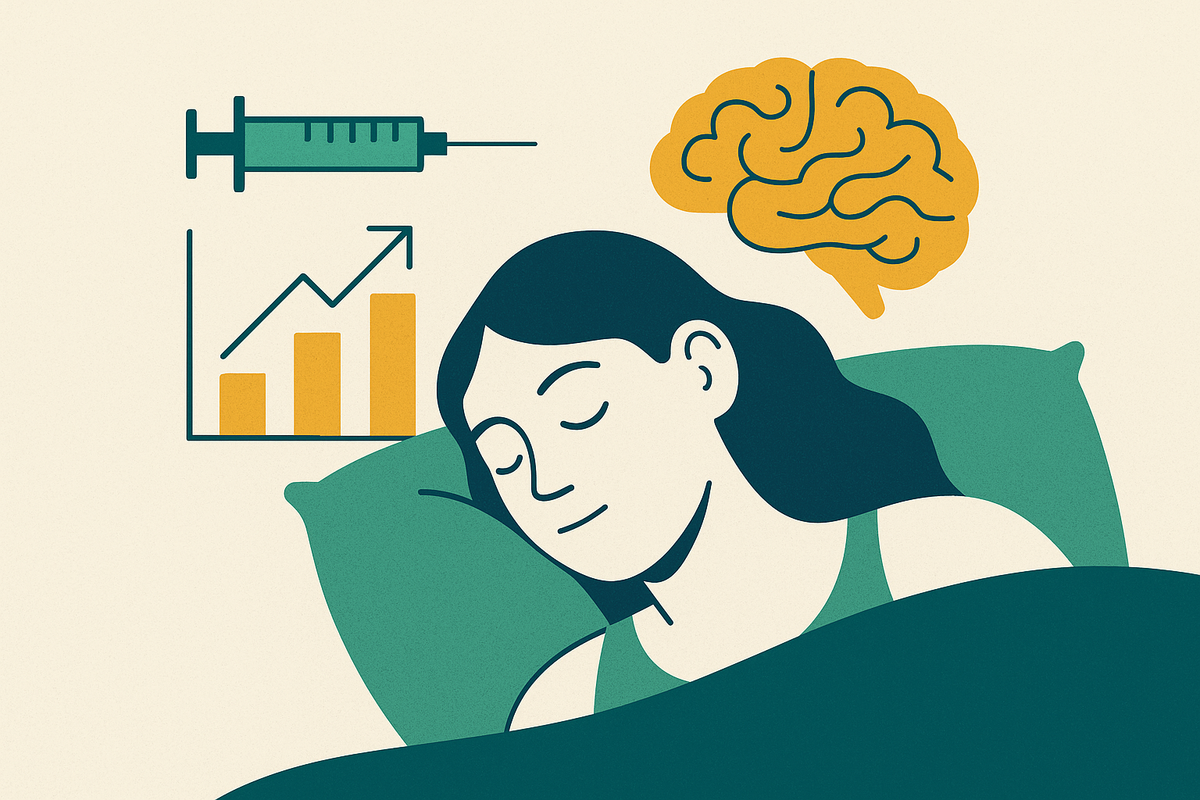
GLP-1 drugs reshape sleep architecture through direct brain circuits, not just appetite suppression.
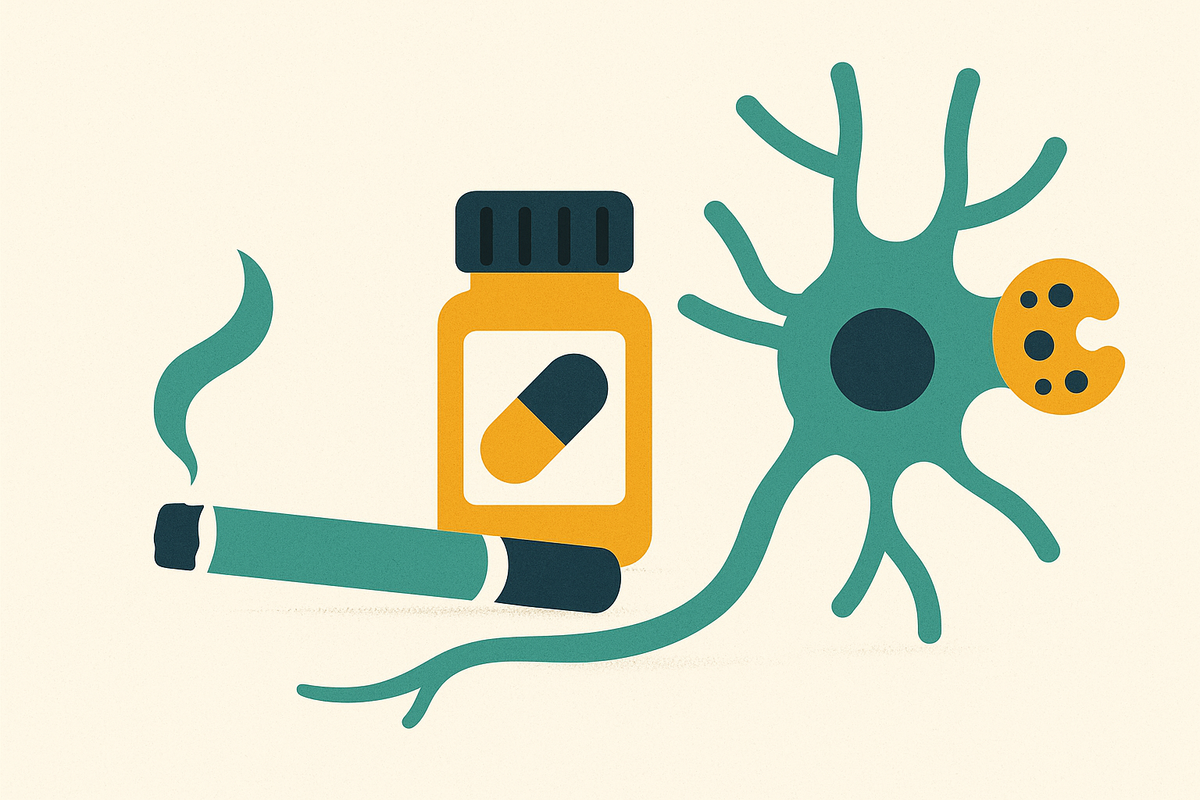
These diabetes drugs appear to quiet addiction circuits in the brain.
Diabetes drug shows promise in mice but fails to slow Parkinson's in humans.
Diabetes drugs show promise reducing opioid cravings by targeting brain reward circuits.
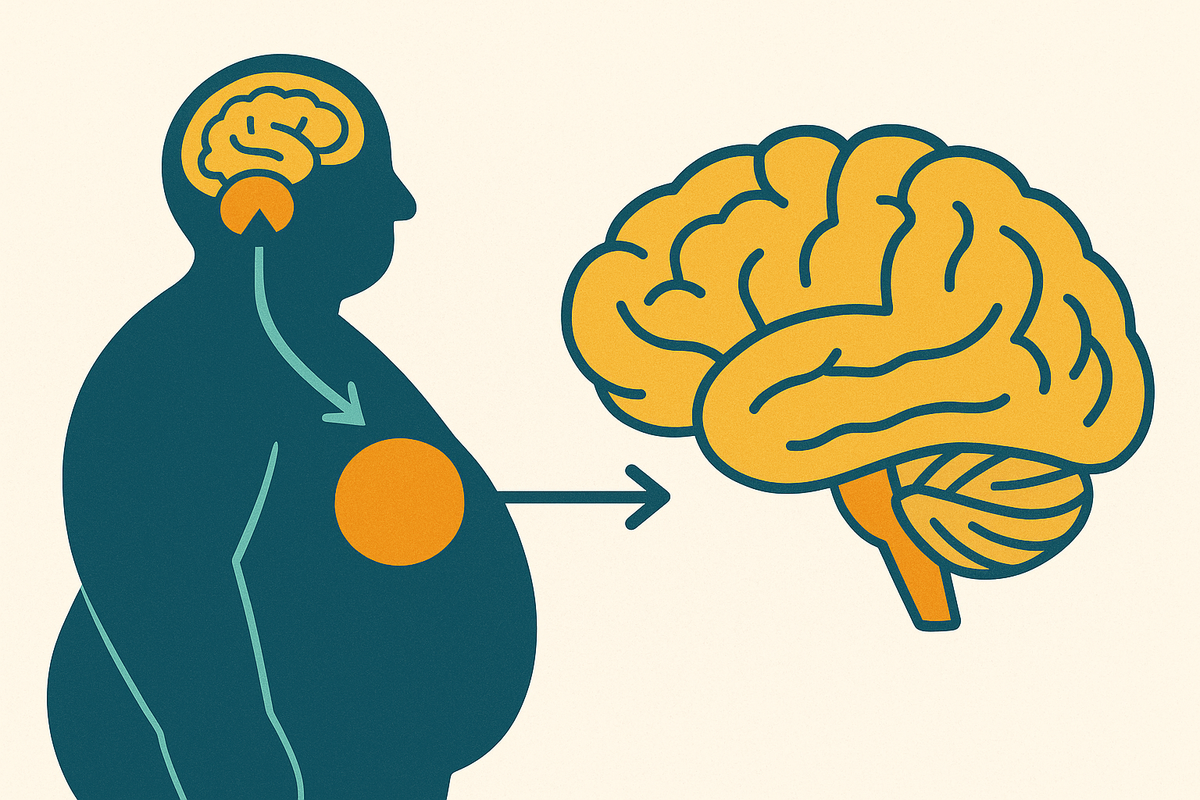
Inflammation in the hypothalamus, not willpower, drives obesity and resists weight loss.
Evidence suggests GLP-1 drugs may protect dopamine neurons in Parkinson's disease.
A metabolic hormone pathway wired into memory circuits offers a new Alzheimer's angle.
Brain imaging hints that a diabetes drug might slow Alzheimer's decline.
Nose-to-brain delivery could make GLP-1 agonists work where current addiction medications fail.
The brain's reward circuitry may hold the key to treating addiction with a metabolic drug.
GLP-1 drugs target alcohol craving at its source in the brain's reward circuit.