Engineering Precision Nanoparticles for Peptide Payloads
Nanoparticles could protect peptides from degradation and enable intranasal delivery.

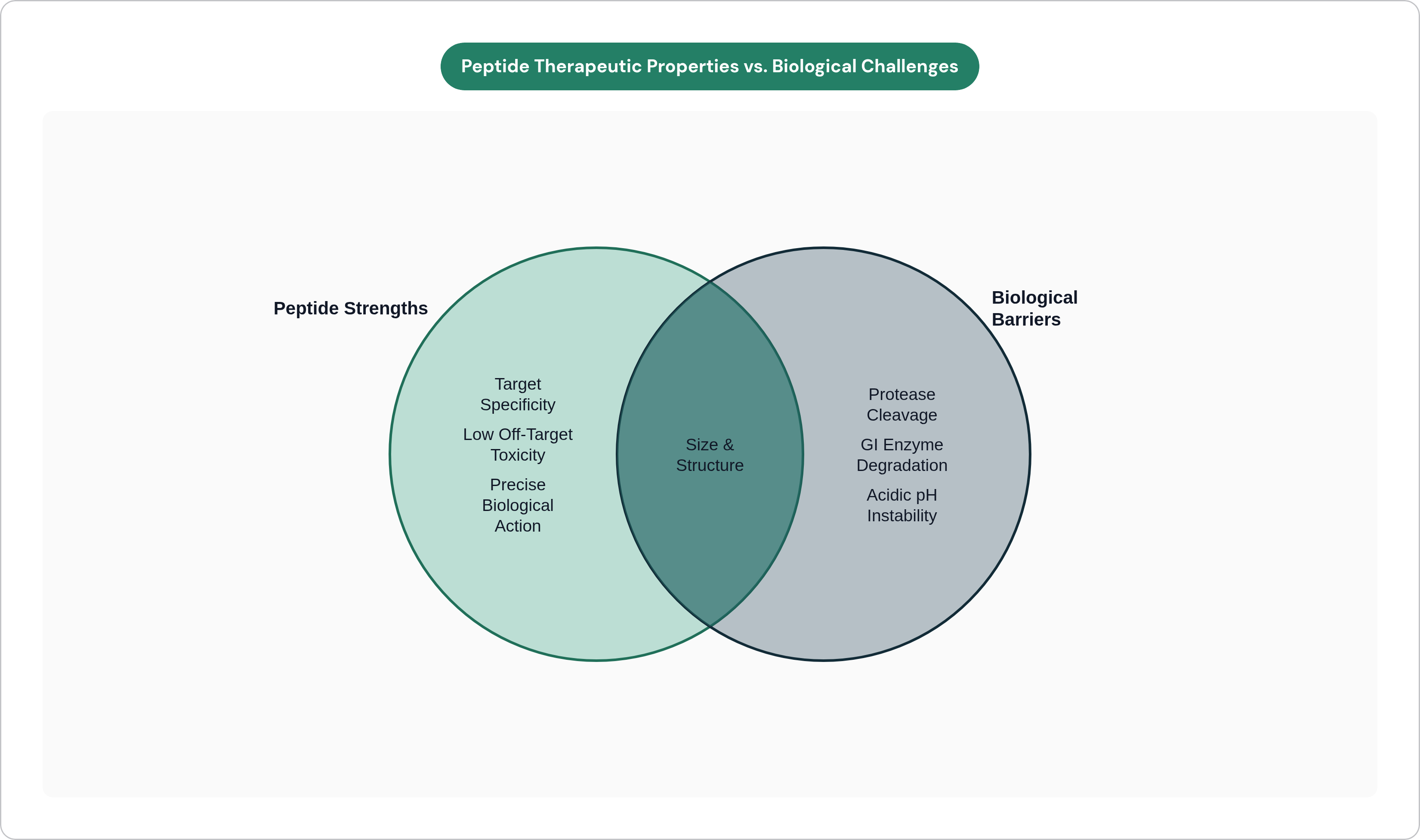
Peptides occupy a peculiar position in pharmacology. Their target specificity is, in many cases, unmatched by small molecules; their off-target toxicity profile is correspondingly favorable. Yet the same structural features that make peptides such precise biological actors, their size, their hydrophilicity, their conformational sensitivity, work against them the moment they leave a controlled environment. Proteases in circulation and at mucosal surfaces cleave peptide bonds rapidly; unprotected peptides clear from plasma within minutes to hours. Passive diffusion across biological membranes is largely unavailable to them. And oral administration, for most peptide therapeutics, remains an aspiration more than a solved problem; gastrointestinal enzymes and acidic pH degrade most peptide structure before meaningful absorption can occur.
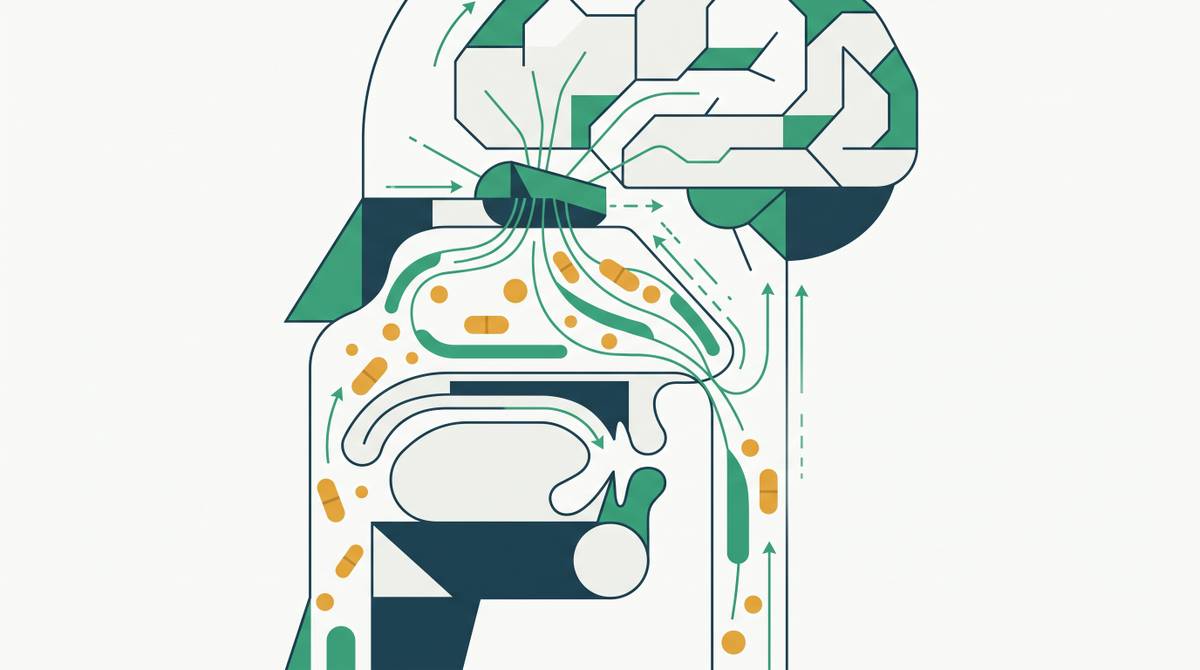
GLP-1 illustrates the problem with precision. Endogenous GLP-1 is cleaved rapidly by the enzyme DPP-4, so only a small fraction of what is secreted reaches systemic circulation in active form. This is not a drug formulation failure; it is a natural demonstration of how hostile the biological environment is to unprotected peptides, before any engineering. That raises an important question: if the body itself cannot protect a peptide from rapid degradation, what does that imply for any therapeutic strategy that relies on delivering one from outside it? One approach bets that nanoparticle encapsulation via the intranasal route is the answer for GLP-1 specifically. Lionbio, a nasal-spray nanoparticle biotech reformulating GLP-1 peptides for nose-to-brain delivery to reduce the nausea common with injectable formulations, is one company built around exactly that bet.