GIP Mechanism of Action in Weight Loss
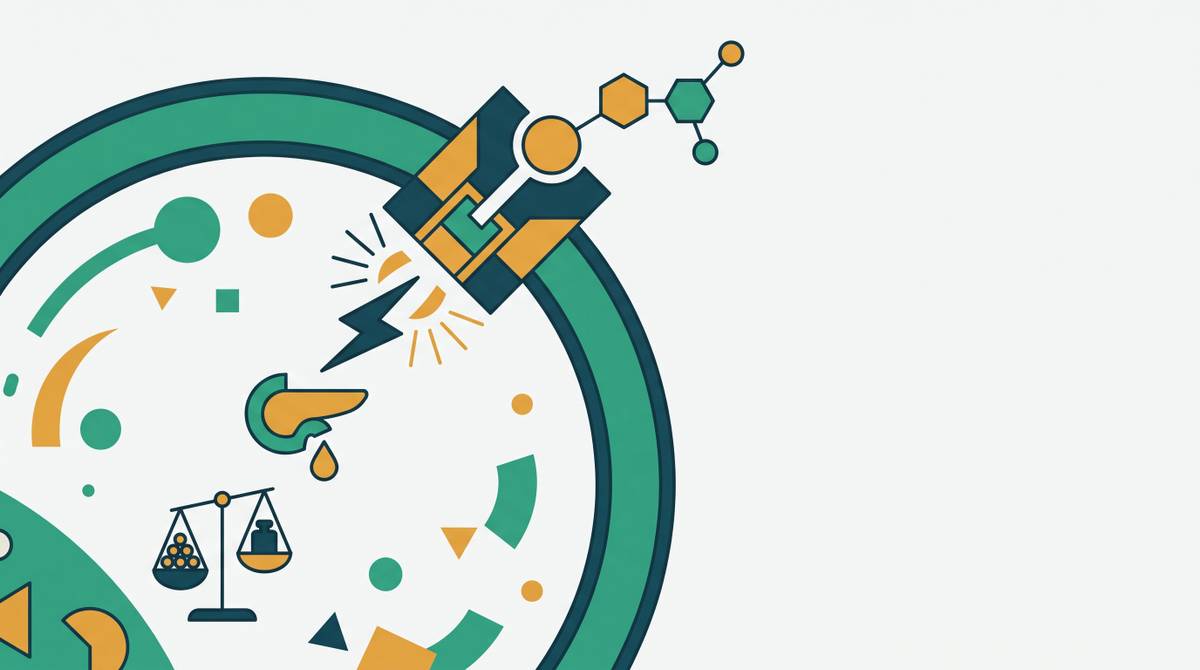
GIP's weight-loss mechanism spans pancreas, brain, and adipose tissue thermogenesis.
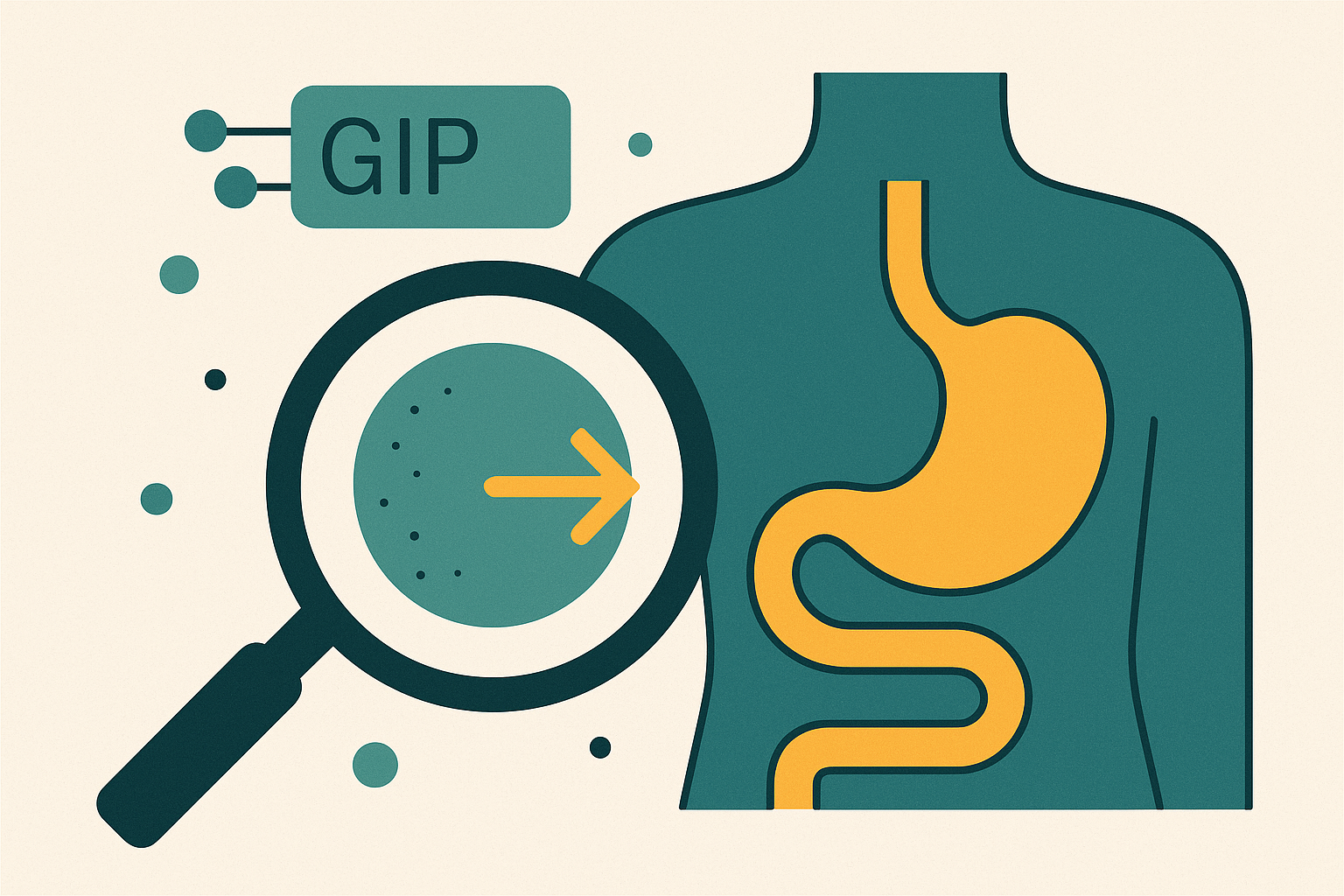
The first clue that GIP's biology extends well beyond blood sugar regulation is its receptor distribution. GIPR appears in pancreatic beta-cells, the classical incretin site, but also in subcutaneous and visceral white adipose tissue, brown adipose tissue, adipocytes and pericytes, and multiple brain regions governing energy homeostasis and reward. That is not a single-organ receptor profile.
The field spent the better part of two decades not fully reckoning with what that distribution was telling us. If receptor expression is biology's clearest signal about where a ligand is expected to act, then GIPR's map was legible. A hormone whose physiological mandate ended at postprandial insulin secretion would have a receptor confined to the islets. It does not. Tracing GIPR into each tissue reveals a distinct, weight-relevant mechanism at each site, and no single tissue accounts for the full effect.
GIP's incretin action in the pancreas: insulin, glucagon, and the postprandial window
In pancreatic beta-cells, GIPR activation potentiates glucose-stimulated insulin secretion. The critical qualifier is glucose-dependency: GIP amplifies insulin release only when blood glucose is already elevated, and does not trigger secretion in the fasted, euglycemic state. That conditional architecture materially reduces hypoglycemia risk, a safety property that gets less attention than it deserves.
Where GIP diverges sharply from GLP-1 is glucagon. GLP-1 suppresses glucagon during hyperglycemia; GIP, by contrast, has a glucagonotropic effect during hypoglycemia, raising glucagon to defend against low blood sugar. For years, that property was viewed with suspicion in type 2 diabetes management, because elevated glucagon drives hepatic glucose output. The suspicion was not unfounded. It is part of why GIPR was historically undervalued as a therapeutic target relative to GLP-1R, which offered a cleaner glycemia story and commanded most of the field's attention through the 2000s and early 2010s.
What pancreatic GIPR biology cannot explain, however, is clinically meaningful weight loss. Optimizing postprandial insulin kinetics improves glucose disposal. It does not, by itself, drive the magnitude of fat loss now observed in contemporary trials. That gap is where the more consequential biology lives.
GIP in adipose tissue: lipid handling, energy sensing, and the futile calcium cycling finding
GIPR activation in adipose tissue improves lipid handling and augments branched-chain amino acid catabolism, both insulin-sensitizing effects with downstream metabolic relevance. These actions were catalogued before the mechanism became a drug design priority; they were not dramatic enough, individually, to hold the field's attention.
What reopened the conversation was a 2024 study published in Cell Metabolism proposing that inducible GIPR activation in adipocytes promotes energy wasting through futile calcium cycling. Futile cycling describes a process in which a cell expends ATP without producing net mechanical or biochemical output; the energy dissipates as heat. Applied to adipocytes, this is a form of thermogenesis that operates independent of appetite: the tissue burns calories regardless of caloric intake. The same study found that this mechanism appears to engage preferentially in the obese state, suggesting metabolic context regulates it rather than it running constitutively.
That specificity matters for pharmacology, because a thermogenic mechanism selective to pathological adiposity is better behaved than one that fires indiscriminately. It is also, however, still a proposed mechanism from preclinical work. The history of metabolic pharmacology includes more than a few promising preclinical thermogenic findings that failed to reproduce at clinical scale, and keeping that track record in mind when evaluating the 2024 Cell Metabolism data seems only reasonable.
Should the mechanism hold in humans, GIPR agonism would drive weight loss through two mechanistically independent channels: reduced energy intake through central satiety signaling, and increased energy expenditure through adipose thermogenesis. That combination would be pharmacologically unusual and would go some distance toward explaining why tirzepatide's weight outcomes exceeded what most of the field anticipated from the SURPASS data.
GIP in the brain: appetite suppression, satiety signaling, and nausea attenuation
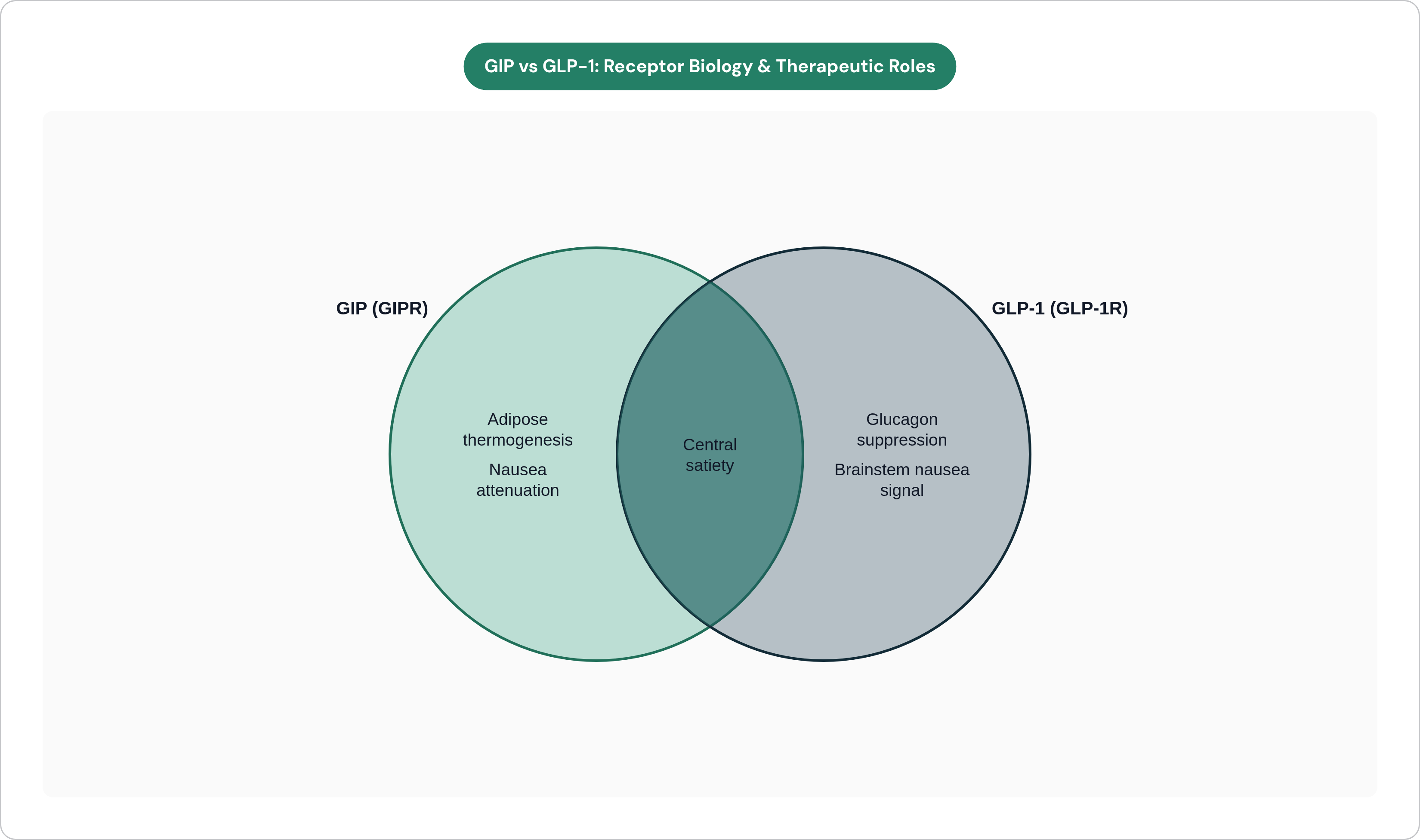
GIPR is expressed in brain regions governing energy homeostasis and reward, and CNS GIPR agonism is implicated in appetite suppression and negative energy balance. GIP and GLP-1 modulate food intake through central signaling, but through distinct receptors that may produce additive effects when co-activated, though "additive" may itself understate what the clinical outcomes suggest.
The more pharmacologically consequential dimension of central GIPR biology is its apparent role in attenuating nausea. GLP-1 receptor activation in the brainstem is mechanistically linked to nausea and vomiting that limit tolerability in GLP-1 monotherapy. This is a real constraint on efficacy: gastrointestinal intolerance forces dose reductions precisely when higher doses are doing the most therapeutic work. Preclinical and emerging clinical observations support the hypothesis that CNS GIPR activation counteracts this nausea signal. If that relationship is real, GIPR co-activation does two things simultaneously: it extends weight loss efficacy, and it addresses the primary tolerability barrier constraining the entire GLP-1 class. A receptor that simultaneously adds efficacy and raises the ceiling on dose escalation is a different kind of target than one that simply contributes incremental pounds of weight loss.
The brain is also where GIP's reach begins to extend into domains beyond weight: addiction signaling, cognitive function, neurodegeneration. These are forward pointers rather than settled science. What can be said is that the CNS receptor distribution invites questions the metabolic pharmacology field has only recently started taking seriously.
Reaching those brain-region receptors efficiently is a distinct engineering problem. Peripheral injection distributes drug systemically; CNS engagement then depends on blood-brain barrier penetration, which is variable and highly molecule-dependent. Lionbio's intranasal delivery platform uses a nose-to-brain route that offers access to CNS targets without requiring systemic distribution or blood-brain barrier passage. In this context, delivery route is a mechanistic variable, not a formulation convenience, because the therapeutic value of central GIPR engagement is conditional on actually reaching the relevant receptors in meaningful concentration.
The agonism-versus-antagonism paradox: why the same receptor can produce weight loss either way
Both activating GIPR and blocking it have produced weight loss in preclinical settings. This was a source of confusion in the field for years, handled inconsistently in the literature, and worth examining directly.
The genetic evidence favors antagonism. Genome-wide association studies identified a single nucleotide polymorphism in GIPR associated with lower receptor function and lower BMI, suggesting that higher endogenous GIP signaling may promote fat accumulation. Embryonic GIPR knockout mice fed a high-fat diet were protected from obesity. Less receptor activity correlated with less adiposity.
The clinical evidence runs the other direction. Tirzepatide is a potent GIPR agonist, and it produces weight loss that, at the time of the SURPASS trials, was described as unprecedented for a single pharmacological agent. The American Diabetes Association's July 2025 consensus published in Diabetes explicitly frames tirzepatide's outcomes as evidence that GIPR activation across pancreatic islets, CNS, and adipose tissue exerts meaningful therapeutic benefit. More receptor activity, less adiposity.
The leading reconciliation hypothesis is that chronic supraphysiological GIPR agonism desensitizes the receptor, producing functional antagonism through pharmacological overstimulation: agonism and antagonism converging on the same downstream condition via opposite routes. A related consideration is that embryonic knockout eliminates a signal during development, whereas exogenous pharmacological flooding in adulthood operates in an entirely different physiological context, in an organism where obesity has already altered endogenous GIP signaling in ways the knockout model cannot replicate. These are not equivalent experiments, and the field has sometimes treated them as if they were.
The mechanism is context-dependent, dose-dependent, and unresolved.
How tirzepatide's dual GIPR/GLP-1 agonism reveals the weight of each receptor's contribution
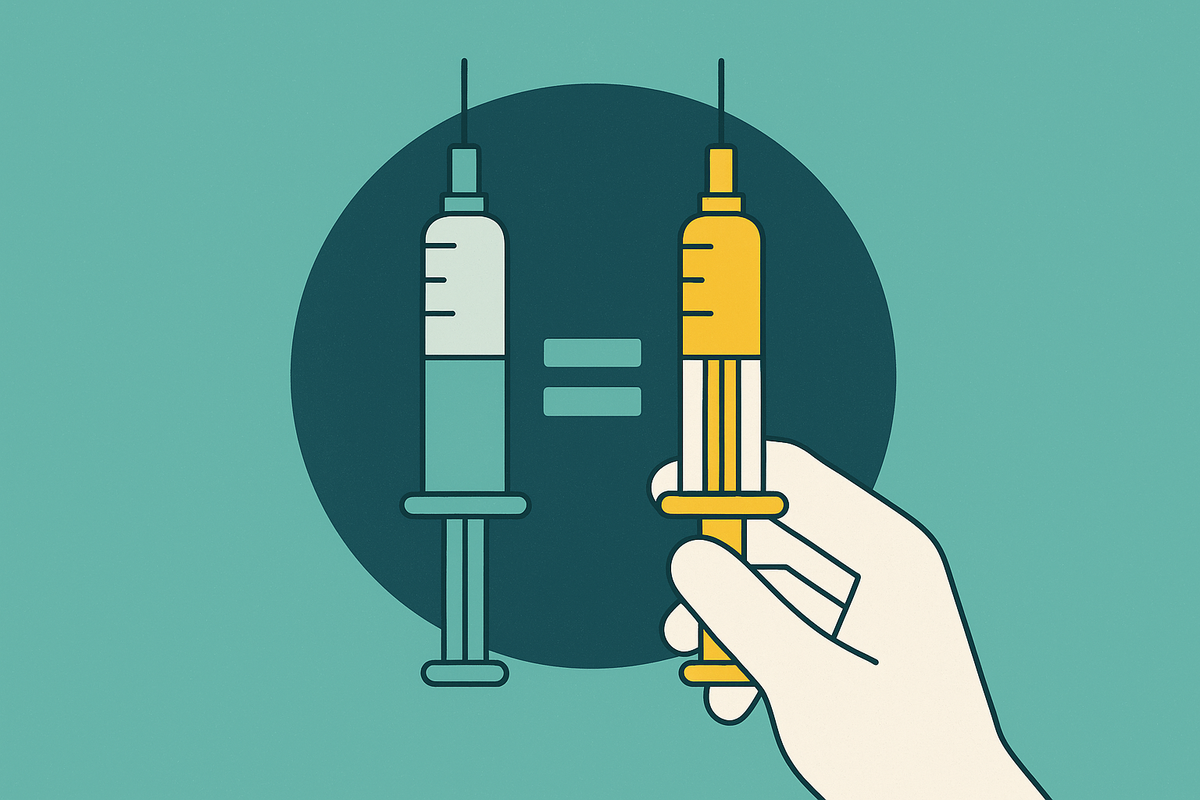
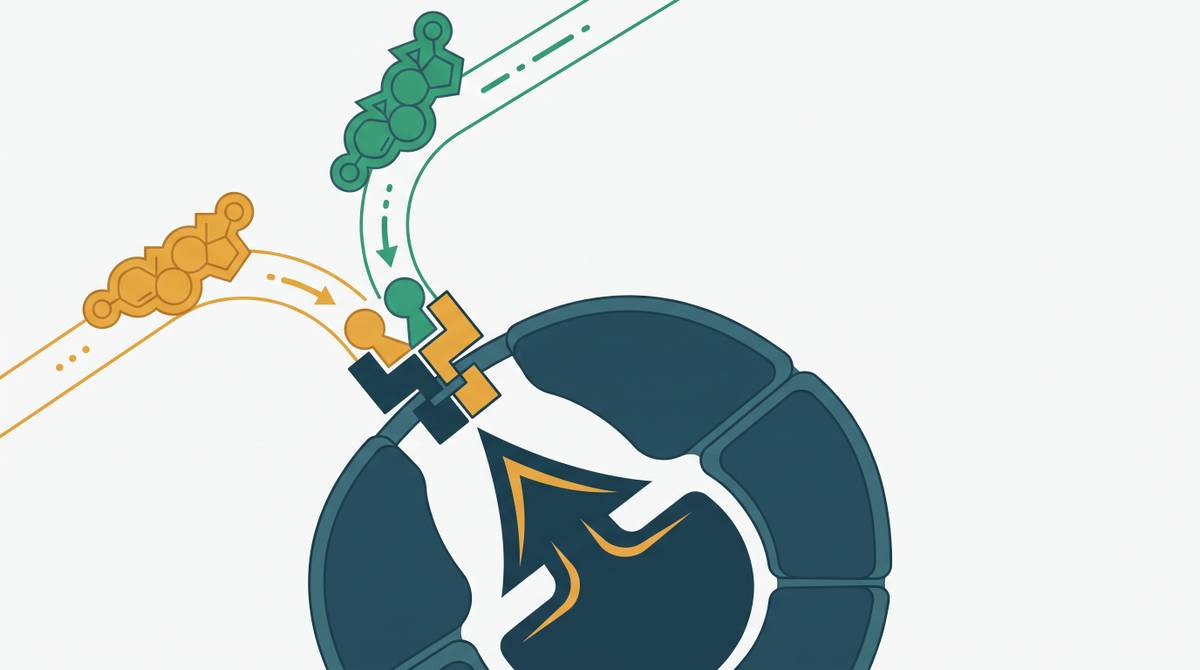
Tirzepatide engages GIPR to a greater degree than GLP-1R, and that asymmetry in receptor engagement is considered central to its efficacy profile, making it analytically useful for parsing each receptor's individual contribution to clinical outcomes.
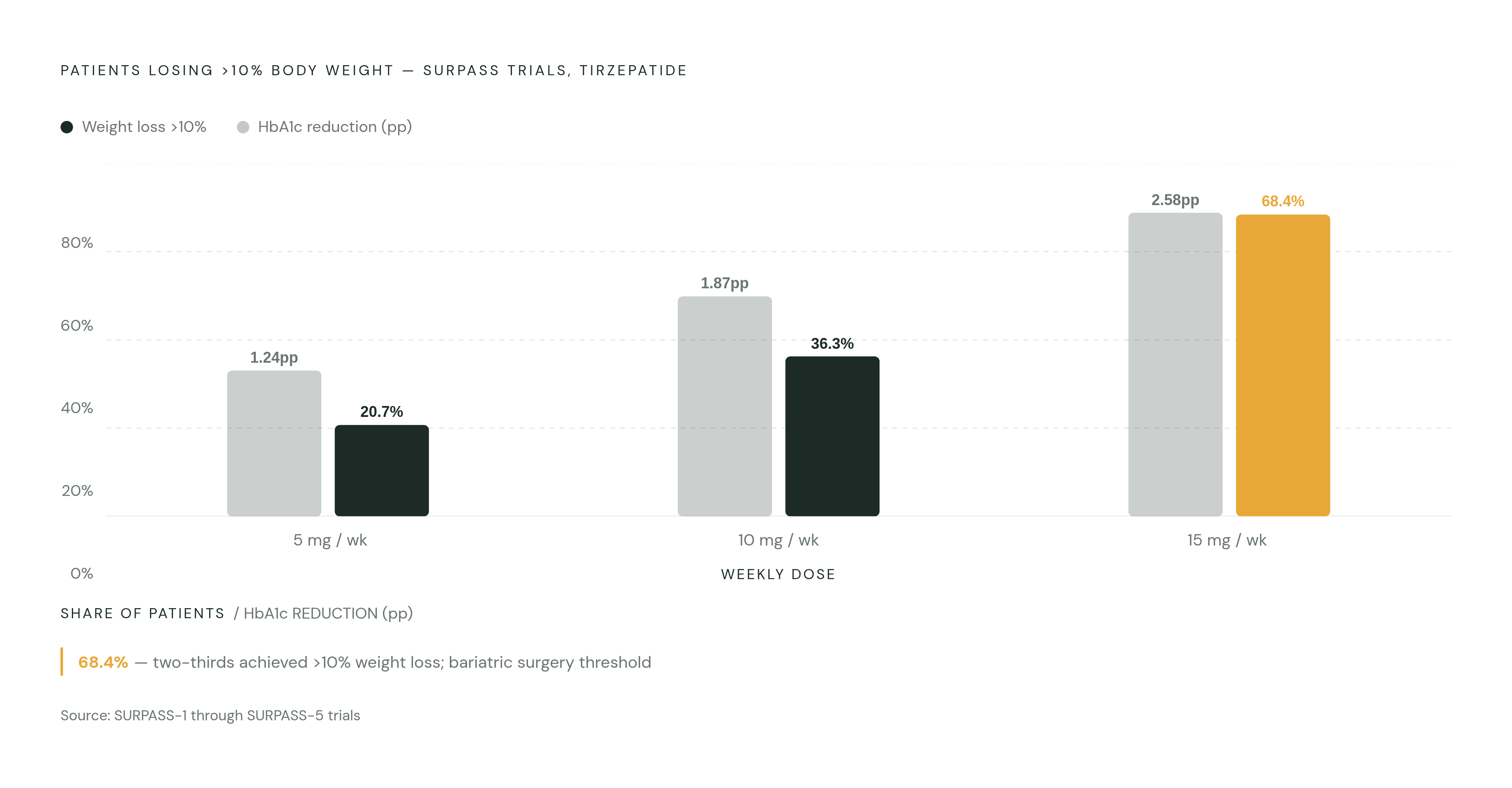
In the SURPASS trials, conducted in patients with type 2 diabetes, tirzepatide at 5 to 15 milligrams per week reduced body weight by 5.4 to 11.7 kilograms and HbA1c by 1.24 to 2.58 percentage points, with 20.7 to 68.4 percent of patients losing more than 10 percent of baseline body weight depending on dose and trial arm. At the higher end, roughly two-thirds of patients achieved outcomes historically associated with bariatric surgery, from a subcutaneous injection. That is not a marginal increment over prior pharmacology.
GLP-1R agonism had already established a known efficacy ceiling. The incremental weight loss attributable to tirzepatide's profile, above what GLP-1 monotherapy had demonstrated, implicates GIPR engagement as a contributor rather than a bystander. The ADA's July 2025 consensus corroborates this framing, citing tirzepatide's outcomes as evidence that GIPR activation across pancreatic, CNS, and adipose tissue carries measurable therapeutic weight. The multi-tissue GIPR biology described in the preceding sections has clinical consequences that showed up in the outcome data.
Why GIPR has become a primary target in next-generation metabolic drug design
Pancreatic insulin potentiation, adipose thermogenesis, and CNS satiety with nausea attenuation, operating through a single receptor, is not a typical pharmacological profile. Most receptors of therapeutic interest contribute meaningfully in one tissue. GIPR appears to contribute in at least three, through mechanisms that are not redundant but complementary. That is a rare combination, and the field is still working out how to exploit it deliberately rather than incidentally.
The nausea-attenuation property deserves particular emphasis in the drug design context. The compliance problem with GLP-1 therapy is real and clinically well-documented: gastrointestinal side effects constrain dose escalation, and dose escalation is where efficacy is maximized. If GIPR co-activation blunts the central nausea signal, it addresses a tolerability ceiling that has been limiting the class since semaglutide entered broad clinical use, independent of whatever additional weight loss it provides.
The open questions are where the field actually lives. Which tissue mechanism contributes most to weight loss in humans, and does the answer vary by patient phenotype or disease state? Does futile calcium cycling in adipocytes reproduce at clinical scale, or does it attenuate under conditions the preclinical models did not capture? Can the agonism-versus-antagonism paradox be mechanistically resolved, or is it irreducibly dose- and context-dependent? What is the optimal GIPR-to-GLP-1R engagement ratio, and does the right answer shift by indication?
Delivery route sits inside those open questions, not outside them. Lionbio's intranasal platform offers nose-to-brain access that bypasses the blood-brain barrier and could enable more targeted engagement of the central GIPR mechanisms driving satiety and nausea attenuation. If the CNS arm of GIPR biology proves as important as the preclinical evidence suggests, then how a drug reaches those receptors is a primary variable in whether the mechanism actually performs, not a secondary formulation decision made downstream of the science.