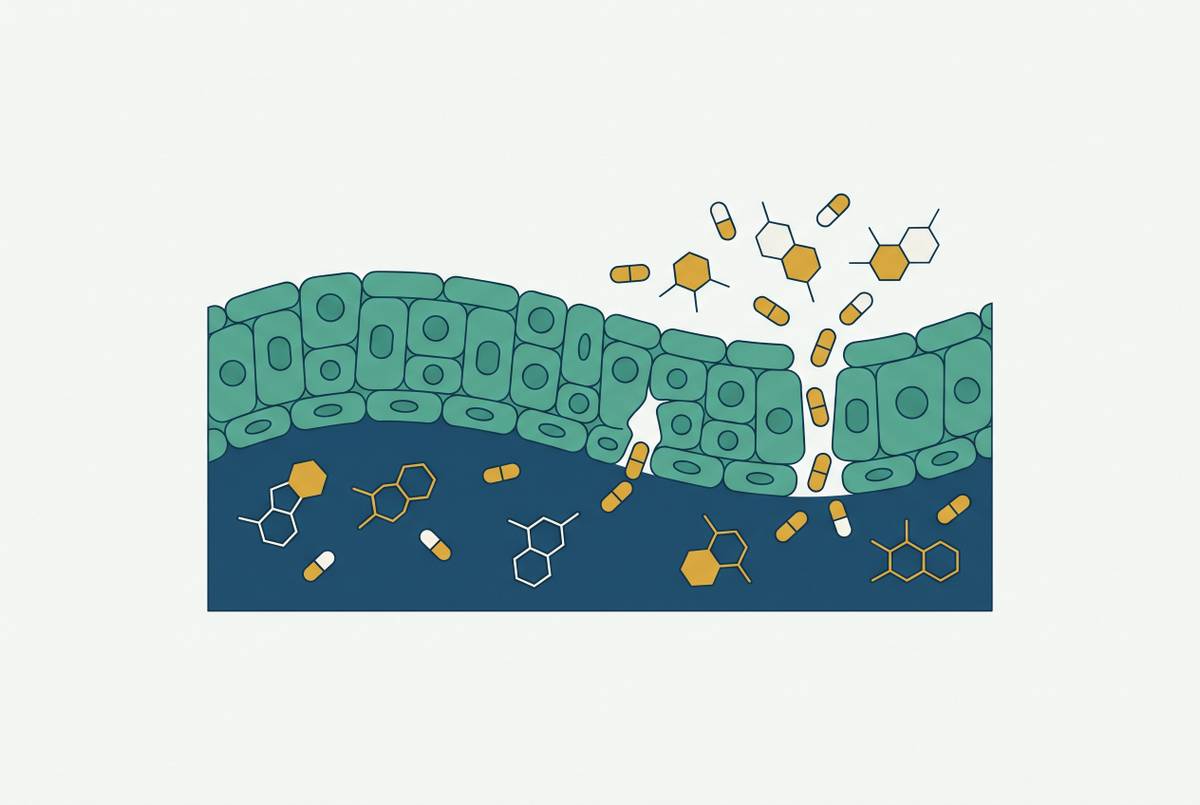
Drug Delivery Nanoparticle Platform Types Compared
Each nanoparticle platform trades different advantages in reaching target tissues.
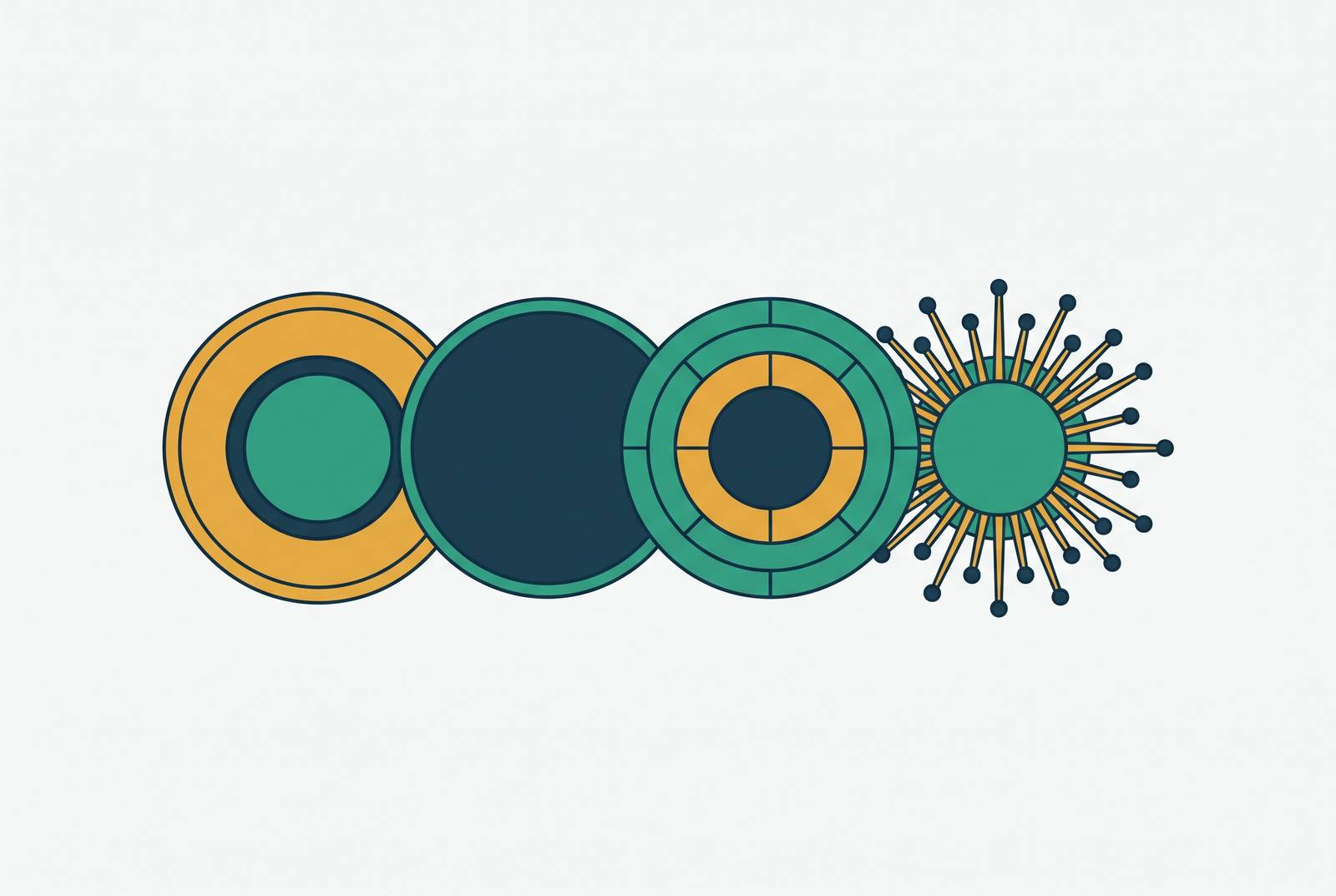
Drug Delivery Nanoparticle Platform Types Compared.
Nanoparticle platform type as the first question to answer in drug delivery design
Drug delivery is not just a question of which molecule to give a patient. It is a question of how that molecule gets to the right tissue, in the right form, without falling apart or triggering an immune response along the way. The choice of nanoparticle platform, lipid-based, polymeric, inorganic, or biomimetic, decides what cargo a formulation can carry, which barriers it can cross, and whether it survives long enough to matter. No single platform wins on every front. Chemistry, structure, and surface behavior each carry consequences, and those consequences cascade into everything downstream: how the particle is stored, how it is dosed, and whether a regulator will approve it.
This piece works through five platform families that dominate current nanoparticle research, lipid-based carriers, polymeric nanoparticles, inorganic nanomaterials, dendrimers, and biomimetic carriers built from extracellular vesicles or cell membranes. Each gets measured against the same handful of criteria: what cargo it can carry, how well it crosses biological barriers, how precisely it can be targeted, how stable it is in storage and in the body, how easily it scales to manufacturing volume, and how far it has actually gotten through clinical development.
Why does this matter beyond the lab bench? Because the same drug molecule, packaged in a different carrier, can move from inert to therapeutic, or from a promising candidate to a shelved failure. A peptide that degrades in nasal mucosa within minutes might survive intact for hours inside a solid lipid matrix. A gene therapy that never reaches neurons on its own might get there riding an engineered polymer surface. The platform is packaging in a different sense than a pill bottle is packaging. It is often the mechanism that makes the therapy work.
What the nasal-to-brain route demands from a nanocarrier
To see why platform choice matters so much, consider the single hardest destination in modern drug delivery: the brain. The blood-brain barrier is a tightly regulated, semipermeable structure built from endothelial cells, astrocytes, pericytes, and tight junctions, and it is built specifically to exclude most things that do not belong there, including most drugs. That is precisely its job, and it does that job well enough that it defeats the majority of small molecules and nearly all biologics that might otherwise treat neurological disease.
Nose-to-brain delivery has become an attractive workaround. It is non-invasive, and it can reach the brain through direct neural pathways, namely the olfactory and trigeminal nerves, or through systemic absorption and lymphatic drainage, all without the barrier crossing that stops most intravenous drugs cold. Compared to intraparenchymal or intrathecal injection, which require needles going directly into brain tissue or spinal fluid, a nasal spray looks almost gentle by comparison.
The anatomy imposes real constraints. Mucociliary clearance sweeps particles out of the nasal cavity on a short timescale, enzymes in the nasal mucosa degrade unprotected drug molecules, and the mucus layer plus the epithelium underneath both resist passive penetration. A nanocarrier heading for the brain by this route has to survive all of that: it needs to protect its cargo from enzymatic attack, stick to the mucosal surface long enough to be absorbed, get through the epithelial layer, and then find its way along a neural pathway toward brain tissue.
Different platforms exploit different legs of that journey. Some ride the olfactory nerve, some the trigeminal nerve, some get absorbed systemically, and some drain through lymphatic channels, and no two platform families lean on these pathways in quite the same proportions. Engineers have a set of levers to pull here: mucoadhesive coatings, ligand-based targeting molecules, particle size tuning, and stimuli-responsive release systems that hold cargo until conditions trigger its release. Which platforms make which levers available is what the rest of this comparison sorts out.
One caution before diving into platforms individually: preclinical success on this route does not guarantee clinical success. Interindividual variability in nasal physiology, the practical difficulty of scaling nasal formulations to consistent manufacturing batches, and a regulatory landscape still working out how to evaluate nose-to-brain products all mean that a nanoparticle that performs beautifully in a mouse model still has a demanding road ahead. An Expert Opinion on Drug Delivery editorial notes that nasal volume is approximately 5–6 cm³, severely limiting administrable dose volume.
Lipid-based nanoparticles: the most clinically validated platform
Lipid-based carriers form the broadest and most clinically seasoned family in the field. The group includes liposomes, lipid nanoparticles (LNPs), solid lipid nanoparticles (SLNs), nanostructured lipid carriers (NLCs), and nano- or microemulsions. What unites them is a bilayer or lipid-matrix structure that can hold both hydrophilic and hydrophobic drugs at once, giving this family one of the widest cargo compatibility ranges of any platform studied.
That versatility is not the only reason lipid carriers dominate nose-to-brain research. Their lipid composition resembles the biological membranes that make up mucosal tissue, which helps them get absorbed rather than repelled. SLNs and NLCs go a step further: their solid lipid matrix slows drug release, which extends how long the formulation sits in the nasal cavity before it clears. Liposomes can be surface-modified with mucoadhesive polymers or targeting ligands to buy even more residence time, and the whole family plays well with in situ gel systems, which thicken upon contact with nasal mucosa and further slow clearance.
Clinical track record backs this up in a way few competing platforms can match. Liposomes and LNPs remain the most clinically validated nanocarrier platforms overall, and LNPs specifically have demonstrated systemic delivery by exploiting natural liver tropism, with the siRNA therapy patisiran (marketed as Onpattro) standing as the highest-profile proof that the platform can clear regulatory review. That precedent matters enormously for anyone building a nose-to-brain program: it means the manufacturing processes, the safety data, and the regulatory playbook already exist in some form, even if the indication and route differ.
None of this makes lipid nanoparticles flawless. Lipid oxidation and hydrolysis threaten shelf life, and formulations often need cold storage or careful lyophilization to stay viable. Batch-to-batch consistency remains a genuine manufacturing headache at scale, and some formulations leak payload before ever reaching the target site. Still, weighing cargo versatility against mucosal compatibility against clinical precedent, lipid-based carriers currently offer the strongest combined package, and that is why so many intranasal CNS programs, including those built around peptide cargoes, start here rather than somewhere else.
Polymeric nanoparticles: the tunable workhorse with a strong nose-to-brain preclinical record
Polymeric nanoparticles trade some of the lipid family's clinical seniority for something arguably more valuable at the design stage: control. The family splits into synthetic polymers, PLGA, PLA, PCL, and PEG-based materials, and natural polymers such as chitosan, and a 2025 review in Nanoscale gives this specific application a thorough, current treatment. What tunability buys is a cargo range that rivals lipid platforms: hydrophilic drugs, hydrophobic drugs, small molecules, macromolecules, and genetic material including DNA and RNA all fit within some polymer formulation or another.
That tunability is not just a cargo story. Polymer composition and molecular weight directly control how fast the material degrades, which in turn controls release kinetics, a lever formulators can pull to sustain CNS drug levels over hours or days rather than delivering everything in one burst. Surface chemistry offers a second lever: chitosan coatings add mucoadhesion, poloxamer coatings add thermosensitive gelling behavior, and ligand conjugation using molecules like lectins or targeting peptides can steer particles toward the olfactory epithelium or specific brain regions. One frequently cited example: PLGA nanoparticles coated with odorranalectin showed markedly better nose-to-brain distribution in mouse models, a demonstration that surface engineering on a polymer scaffold can meaningfully change where a particle ends up.
Polymeric particles also tend to outlast lipid-based ones on the shelf, since a solid polymer matrix resists degradation during storage better than a lipid bilayer does. On the manufacturing side, PLGA and its relatives already carry regulatory precedent from other applications, and production methods like microfluidic mixing and nanoprecipitation scale reasonably well, though keeping particle batches consistent remains a critical quality control challenge.
The tradeoffs sit mostly on the regulatory and chemical side. Polymeric platforms have less clinical precedent specifically for the intranasal CNS route, meaning a slower path through regulatory review than lipid carriers currently enjoy. Polymer degradation can also generate acidic byproducts as a side effect, and those byproducts can compromise sensitive peptide cargoes riding inside the same particle. Particle size and surface charge both need tight control during manufacturing, since polydispersity, a fancy way of saying the batch contains particles of inconsistent size, remains a persistent headache. Weighed altogether, polymeric nanoparticles bring a strong preclinical record and exceptional tunability, particularly for sustained-release CNS work and surface-targeted designs, though anyone loading peptides into a polymer matrix needs to think hard about formulation chemistry before committing.
Inorganic nanoparticles and dendrimers: specialized performance profiles with distinct ceiling constraints
Inorganic nanoparticles cover a genuinely different set of materials: iron oxide, gold nanoparticles, carbon-based materials like graphene and carbon nanodots, quantum dots, and various two-dimensional nanomaterials. Each brings a distinct physical property to the table rather than a shared structural logic. Iron oxide particles enable MRI contrast enhancement and can be steered magnetically, a combination that makes imaging-guided CNS targeting possible in a way no organic carrier easily replicates. Gold nanoparticles offer tightly controllable size and surface chemistry along with photothermal properties, and their surfaces conjugate to targeting ligands with relative ease. Graphene oxide, among the carbon-based materials, has shown up specifically in nose-to-brain literature as a carrier type.
What holds this family back from broader adoption is not a lack of interesting physics. It is biodegradability, or the lack of it. Most inorganic particles do not break down inside the body; they accumulate in tissue and organs over time, and that accumulation raises long-term safety questions that complicate approval for any chronic CNS condition, which describes most of the neurological diseases these particles might otherwise treat. Cargo compatibility narrows the appeal further: inorganic particles generally carry drug on their surface rather than encapsulating it internally, which caps how much payload they can carry and offers weaker protection against the enzymatic degradation that nasal mucosa throws at anything passing through.
Dendrimers occupy a separate category entirely, structurally speaking. These are branched, tree-like synthetic macromolecules built with precise architecture, and their defining trait is a dense surface studded with functional groups available for chemical modification. That high surface-to-volume ratio enables dense ligand loading, useful for multi-modal targeting strategies where a single particle needs to hit more than one biological target at once. Unlike almost every other nanocarrier family discussed here, dendrimers can be synthesized with precise, reproducible molecular weight and architecture, batch after batch. One striking example from the literature: PEGylated dendrigraft poly-L-lysine nanoparticles co-loaded with BACE1 siRNA and rapamycin, functionalized simultaneously with Aleuria aurantia lectin and the amyloid-binding peptide KLVFF, designed specifically to target Alzheimer's disease pathology through the nose-to-brain route.
Dendrimers pay for that sophistication in cost and complexity. Synthesis is expensive and technically demanding, cationic surface groups can trigger cytotoxicity if not carefully managed, and scaling production to commercial volume remains far harder than it is for lipid or polymeric systems. Taken together, inorganic particles and dendrimers earn their keep as precision tools, imaging-delivery hybrids or multi-target engineering platforms, rather than as primary delivery vehicles for large therapeutic programs. In most CNS pipelines, they play a supporting role rather than carrying the lead.
Biomimetic carriers and extracellular vesicles: the most biologically compatible option and the hardest to manufacture at scale
Biomimetic carriers borrow their advantages directly from biology rather than engineering them from scratch. The family covers extracellular vesicles, including exosomes and microvesicles, reconstituted high-density lipoprotein particles, cell membrane-coated nanoparticles, and other carriers built to imitate something the body already makes. Because these particles inherit surface proteins and lipids from the cells that produced them, they slip past immune surveillance and interact with biological barriers in ways that synthetic chemistry has a hard time matching, no matter how cleverly a lipid or polymer surface gets modified.
That biological inheritance pays off directly on the nose-to-brain route. Extracellular vesicles can cross the blood-brain barrier naturally, and vesicles derived from brain tissue or nasal epithelium may carry intrinsic tropism toward CNS targets, heading there on their own rather than needing an engineered ligand bolted onto their surface. They also tend to trigger less protein corona formation, the process by which serum proteins stick to a synthetic particle's surface and change how the body actually treats it once injected or absorbed, and their immunogenicity profile runs lower than most synthetic alternatives.
One might ask, then, why this platform is not already the default choice. The answer sits in manufacturing. Loading exogenous therapeutic cargo into an extracellular vesicle efficiently and reproducibly is a genuinely hard technical problem, and encapsulation efficiency generally lags behind what lipid or polymeric platforms achieve. Vesicles come from living cells, and scaling that biological production while holding surface protein composition constant batch to batch is an unsolved manufacturing problem, not a minor inconvenience. Regulatory frameworks built for well-understood synthetic particles do not map cleanly onto biologically derived carriers, and EV-based therapeutics currently sit on much less established regulatory ground than liposomes or PLGA particles do.
Biomimetic carriers therefore are at an unusual point on the maturity curve. Preclinical CNS work looks genuinely promising, enough that a recent review flags this family, alongside AI-assisted formulation design, as one of the field's emerging trends, but clinical translation remains early-stage by any honest accounting. Biological compatibility here is arguably unmatched. Manufacturing readiness is arguably the weakest of any platform in this comparison. Both statements are true at once, and that tension is what makes this family worth watching rather than betting on prematurely.
Comparing the five platforms against the criteria that determine delivery fit
Laid side by side against consistent criteria, a pattern emerges that no single ranking can capture cleanly. On cargo compatibility, lipid-based and polymeric platforms lead the field, both able to carry hydrophilic and hydrophobic small molecules alongside peptides and nucleic acids, while inorganic particles trail behind due to their reliance on surface loading rather than encapsulation, dendrimers sit in the middle with precise but limited loading capacity, and extracellular vesicles remain constrained by the biology of the cells that produce them.
Barrier-crossing behavior on the nose-to-brain route tells a related but distinct story. Lipid-based carriers score high through membrane mimicry, polymeric particles score high once surface-modified with the right ligands, inorganic particles land in the moderate range depending heavily on size and coating, dendrimers score high when functionalized with targeting ligands, and extracellular vesicles show the highest intrinsic barrier-crossing ability of the group, though how reliably they reach a specific target site once across remains under active study.
Scalability roughly tracks clinical maturity: lipid-based manufacturing is the most mature, using microfluidic techniques with real regulatory precedent behind them, polymeric methods trail close behind, inorganic scalability depends heavily on which material is in question, dendrimer synthesis stays costly at any meaningful volume, and extracellular vesicles face the steepest scaling challenge of the group.
Clinical maturity, in the end, favors the platforms with the longest track record. Lipid-based carriers are at the top, with approved products already in systemic and vaccine contexts, polymeric platforms follow given PLGA's long regulatory history in other applications, inorganic particles have secured only limited approvals, dendrimers have none of note, and extracellular vesicles remain confined to preclinical or early clinical work.
What should a reader take from all this? Simply that no platform tops every category, and treating this as a search for one winner misreads the whole field. The right choice depends on the cargo in question, the barrier that cargo has to cross, the route of administration, and how far along the development timeline a given program actually sits. For anyone working on intranasal peptide delivery specifically, lipid-based carriers and surface-modified polymeric nanoparticles currently offer the sturdiest combination of enzymatic protection, mucosal adhesion, and a regulatory record regulators have already seen before, which is often worth more at the design stage than any single property taken in isolation. Across stability, polymeric platforms are generally strongest during storage, lipid-based platforms require cold chain or lyophilization, inorganic platforms are stable but non-biodegradable, dendrimers are stable, and EVs are the most fragile and variable.
Sources
- Full article: Can nanoparticle-based intranasal delivery systems revolutionize treatment of central nervous system diseases?
- Full article: Intranasal Nano-Delivery Systems: Emerging Strategies for Central Nervous System Disease Therapeutics
- Intranasal drug delivery: The interaction between nanoparticles and the nose-to-brain pathway - ScienceDirect
- On a highway to the brain: A review on nose-to-brain drug delivery using nanoparticles - ScienceDirect
- Recent Advances in Intranasal Administration for Brain-Targeting Delivery: A Comprehensive Review of Lipid-Based Nanoparticles and Stimuli-Responsive Gel Formulations
- Nanomaterial-based drug delivery systems: From intelligent delivery to clinical translation and precision nanomedicine - ScienceDirect
- The Changing Landscape of Advanced Drug Delivery: From Passive Carriers to Intelligent Therapeutic Platforms
- pubs.rsc.org