Nose-to-Brain Delivery for Large-Molecule Biologics
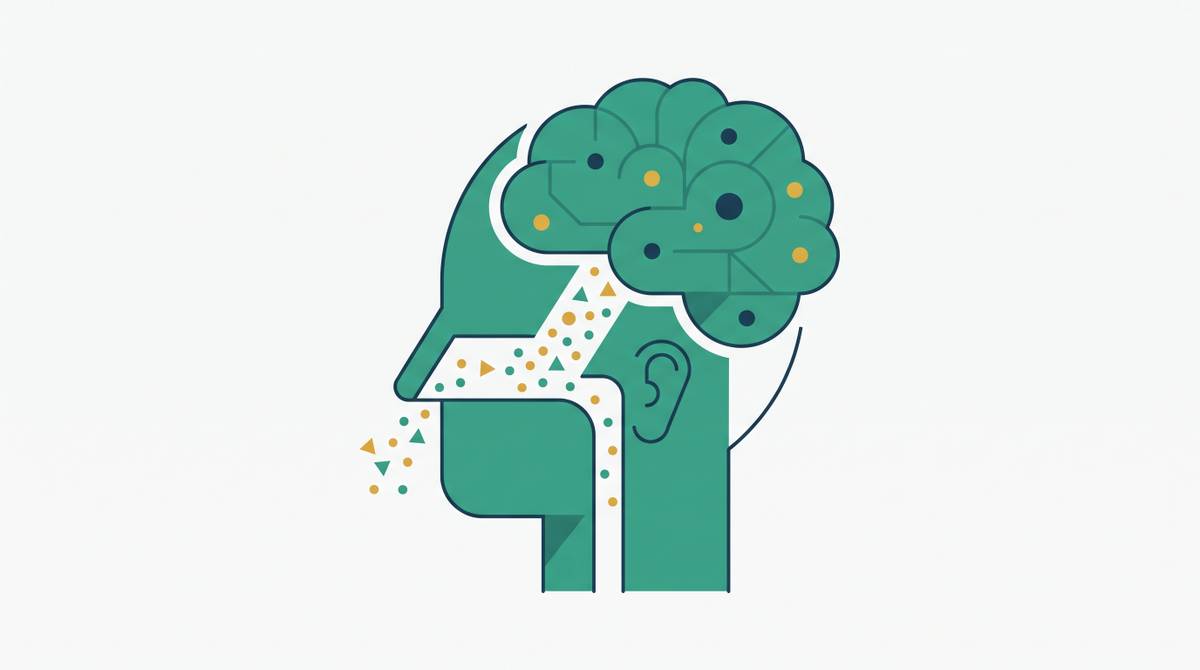
Nanoparticles enable large biologics to bypass the brain barrier via the nose.

The blood-brain barrier stops nearly every large-molecule biologic from reaching the brain. That's not a side effect of the barrier working too well, it's the entire point of the barrier, and it means peptides, proteins, monoclonal antibodies, and nucleic acids need an alternative route if they're going to treat anything neurological. The nasal cavity offers that alternative, but only when paired with nanoparticle engineering sophisticated enough to survive the trip.
Start with the wall itself. The BBB is built from continuous, non-fenestrated endothelial cells sealed together by tight junctions, the zonula occludens complexes, and reinforced by a basement membrane, pericytes, and astrocyte end-feet wrapping the outside. It's a physical barrier and a metabolic one. Passive diffusion of hydrophilic, high-molecular-weight compounds gets blocked outright, and even lipophilic small molecules that might slip through get pumped back out by active efflux transporters like P-glycoprotein and the multidrug resistance proteins. Damian et al., writing in Biomedicines, found the barrier excludes roughly 98% of small molecules and nearly all large biopharmaceuticals. Nearly all. That's not a gap to optimize around, that's a wall doing exactly what evolution built it to do.
Biologics hit this wall hardest. Peptides and proteins get chewed apart by serum proteases within minutes of entering circulation, and whatever survives gets cleared by the liver or kidneys before it has any real shot at BBB transit. Oral and intravenous delivery, the two workhorses of systemic drug administration, simply can't push enough intact drug to the brain without dosing so high that systemic toxicity becomes the limiting factor. So the question isn't how to make existing routes a little better. It's whether a fundamentally different route exists at all.
The anatomy that makes nasal-to-brain delivery a genuine alternative route
It does exist, and it sits inside the nose. The nasal cavity is the only place in the human body where the central nervous system, specifically the olfactory neuroepithelium, touches the outside world directly. No barrier, no filtration, just neural tissue exposed to whatever gets sprayed onto it. That anatomical fact is what makes nose-to-brain delivery different from every other administration route under discussion.
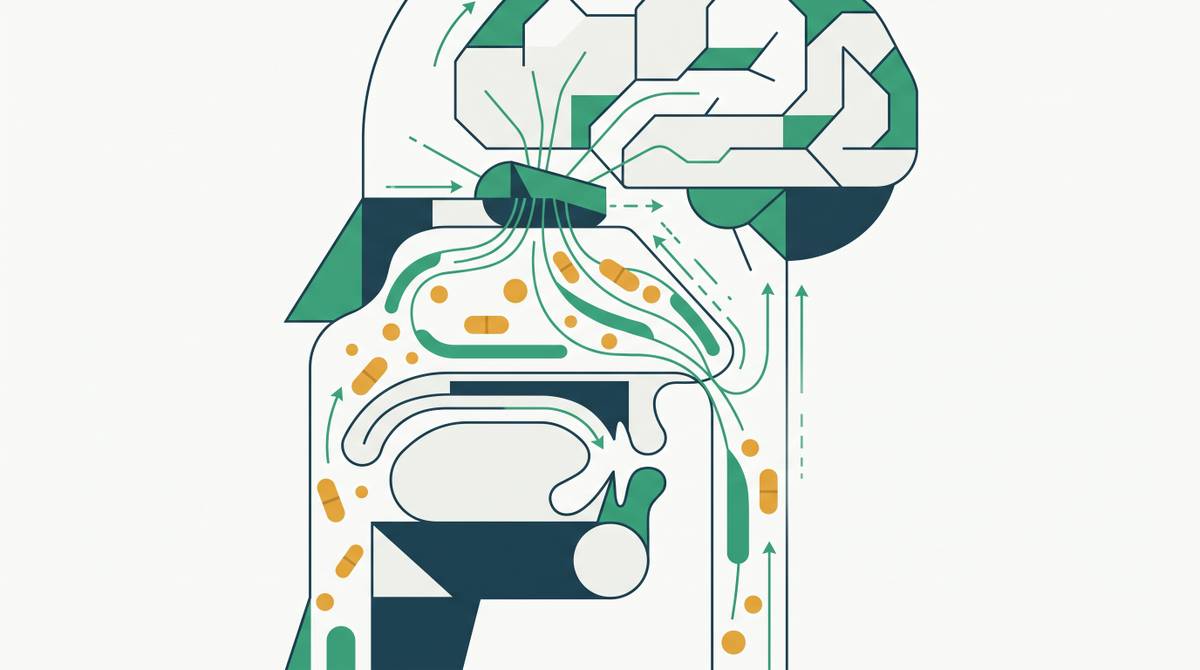
Two nerve pathways do the actual work. The olfactory pathway starts when a drug lands on the olfactory epithelium, tucked into the posterior-superior part of the nasal cavity, and gets picked up by olfactory sensory neurons. From there it travels by intra-axonal or peri-axonal transport straight into the olfactory bulb and onward into deeper brain structures. The trigeminal pathway offers a second, distinct corridor. In one study, a GLP-2 derivative turned up in the trigeminal principal sensory nucleus in the pons within minutes of intranasal dosing, which points to fast intracellular axonal transport. Insulin, separately, has been found in the perineural space around the trigeminal nerve, suggesting an extracellular transport mechanism is also at work alongside the intracellular one.
How fast does this actually happen? Fast enough to matter clinically: drug molecules typically show up in the olfactory bulb and other brain regions within roughly an hour of intranasal dosing. That's not a theoretical pathway, that's a pharmacokinetically functional one, confirmed by measurement rather than inferred from anatomy alone. Compared with oral dosing, the nasal route also sidesteps first-pass liver metabolism and tends to produce longer-lasting effects, since less drug gets degraded before it has a chance to act.
But the distinction that actually matters here is easy to blur. This is not the nasal route working as a fancier way to get drug into the bloodstream, which then eventually crosses the BBB somewhere else. It's direct neural transport, bypassing the barrier entirely. Confusing the two would defeat the purpose of the entire discussion.
How biologics cross the nasal epithelium: transcellular and paracellular transport
Getting drug onto the olfactory epithelium is step one. Getting it through the epithelial cells and into neural tissue is a separate problem, and it's where most of the engineering difficulty actually lives.
Nasal epithelial cells are stitched together by tight junctions, and those junctions are, generally speaking, impermeable to large biomolecules like nucleic acids. There's a paracellular route around this: because neuronal and basal cells in the epithelium are constantly turning over, the junctions between them become transiently permeable, opening brief windows for larger molecules to slip between cells rather than through them. It's an inconsistent route, dependent on the biological rhythm of cell turnover rather than anything a formulator controls directly.
The transcellular route is the one that actually carries most biologics across, and it works through receptor-mediated endocytosis. Endogenous receptors sitting on the epithelial cell surface, the transferrin receptor, the insulin receptor, low-density lipoprotein receptor-related protein, and the nicotinic acetylcholine receptor among them, grab specific molecules and pull them inside the cell in vesicles. This matters enormously for drug design, because the route is saturable and receptor-specific. A peptide's exact molecular structure determines which of these receptors it can hijack, which means transport isn't just a formulation afterthought, it's built into the biologic's identity from the start.
Nucleic acids are at the far end of the difficulty spectrum. Research published in Pharmaceutics in 2025 on nose-to-brain gene delivery underscores that tight junctions present a severe barrier to nucleic acids, making delivery vehicles mandatory rather than optional for any nucleic acid headed toward the CNS by this route. There's no unformulated fallback option here the way there sometimes is for small peptides.
How do researchers know how much of a dose actually reaches the brain versus how much just re-enters systemic circulation and gets diluted elsewhere in the body? Two metrics answer that question: drug-targeting efficiency, or DTE, and direct transport percentage, DTP. Both are standard tools for separating genuine nose-to-brain delivery from drug that simply got absorbed nasally and traveled the long way around through the blood.
Why unformulated biologics still fail the nasal route and what nanocarriers solve
Here's the frustrating part. The trigeminal and olfactory nerves carry the anatomical pathway, with the receptors present and functioning. And unformulated biologics still mostly fail to reach therapeutic concentrations in the brain.
Four obstacles explain why. Large molecules have inherently poor permeability across nasal mucosa to begin with. Mucociliary clearance, the constant sweeping motion that clears the nasal cavity of debris and pathogens, also sweeps away deposited drug before it gets fully absorbed. Residence time in the nasal cavity is short, which limits how long any given dose sits in contact with absorptive tissue. And even when some drug does get through, overall bioavailability at the target brain region tends to be low. Layer on top of that the challenge of hitting a specific brain region rather than just any brain region, and the gap between "anatomically possible" and "therapeutically sufficient" becomes obvious.
Numbers put this in perspective. Across delivery routes, only a very small fraction of the administered dose typically reaches the brain for most CNS drugs. For peptides specifically, even the most successful intranasal formulations deliver only a small fraction of the administered dose to the target brain region, and what counts as excellent targeting by CNS drug delivery standards remains modest in absolute terms. Unformulated biologics delivered nasally routinely fall short of it because the drug doesn't survive long enough or get absorbed efficiently enough to use the pathway that exists.
Nanocarriers exist to close that gap. Encapsulation protects biologics from enzymatic and chemical degradation while they sit in the nasal cavity. Mucoadhesive polymers, engineered to interact directly with mucin, extend how long the formulation stays in contact with absorptive epithelium instead of getting cleared. Surface engineering enhances membrane permeation, and receptor-targeting ligands attached to the nanoparticle surface enable active, receptor-mediated uptake rather than relying on passive diffusion alone.
The toolkit for that surface engineering has become fairly specific. PEGylation improves colloidal stability and helps particles move through mucus more freely. Mucoadhesive polymer coatings buy residence time. Cell-penetrating peptides, grafted onto the nanoparticle surface, interact directly with cell membranes to promote uptake into the epithelial cells themselves. None of these are cosmetic additions, each one solves a specific, named failure mode from the list above.
Without nanocarrier engineering, the nasal route is anatomically real but pharmacokinetically insufficient for biologics. With it, insufficient becomes viable. That's the entire premise the rest of this piece rests on.
The nanocarrier classes being applied and what the data show for each biologic type
Lipid-based systems, nano and microemulsions, liposomes, solid lipid nanoparticles, and nanostructured lipid carriers, have been shown across multiple studies to improve drug absorption across nasal membranes and boost nose-to-brain delivery efficiency generally.
Polymer-based nanoparticles get studied more heavily, particularly PLGA and PEG-PLGA formulations, and the data show that surface functionalization changes outcomes dramatically. Cationic TAT peptide-modified PLGA nanoparticles carrying insulin to the brain achieved 6.5 times more drug in the olfactory bulb compared with unmodified nanoparticles carrying the same payload. That's not a marginal improvement, that's the difference between a formulation that barely works and one that might actually be therapeutic. Separately, PLGA-PEG nanoparticles conjugated with Solanum tuberosum lectin, delivering basic fibroblast growth factor intranasally, produced meaningfully higher brain AUC values compared with unformulated bFGF solution in rat brain. Both examples point to the same underlying lesson: the surface chemistry, not just the core particle material, determines whether a nanocarrier actually reaches its target.
Newer nanoplatforms are pushing further. A publication from July 2026 describes nanogels, peptide-drug conjugate nanoplatforms, engineered extracellular vesicle formulations, and nanophotothermal agents as emerging categories. These systems cross or bypass the BBB through a mix of mechanisms: straightforward receptor-mediated endocytosis, an active "homing effect" driven by chemokine gradients that pull particles toward inflamed or diseased tissue, "proactive openness" of the barrier triggered by nitric oxide or photothermal stimulation, and, for the intranasal formulations specifically, simply avoiding the BBB altogether by using the neural pathway instead.
Nucleic acids remain the hardest category, and the formulation dependency is close to absolute. Work on nose-to-brain gene delivery published in Pharmaceutics in 2025 positions nanotechnology-based delivery systems and mucoadhesive formulations as essential requirements for any gene therapy directed at the central nervous system attempted through this route.
Clinical translation is happening, slowly. APH-1105, an alpha-secretase modulator loaded into intranasal nanoparticles, has been tested in subjects with mild-to-moderate Alzheimer's disease under trial registration NCT03806478, with quality of life, behavioral, and cognitive functioning measures built into the study design. What that trial found, or whether it found anything conclusive, has not been publicly reported in the sources reviewed here. Intranasal insulin tells a more complete story so far: clinical and preclinical work summarized in Damian et al., 2026, shows measurable cognitive score improvements in Alzheimer's and delirium patients, along with a drop in hospital stay length from 12.9 days down to 7.9 days in delirium patients receiving intranasal insulin.
The translation gap: why most nanoparticle systems stall between preclinical success and clinical scale
Here's where enthusiasm needs a check. ApoE-, transferrin-, and RVG-modified liposomes, along with PEG-PLGA nanoparticles carrying neuroprotective peptides, have shown strong brain-targeting results in preclinical studies, yet clinical translation has remained elusive for the vast majority of these systems. That gap deserves scrutiny rather than a shrug.
Four failure modes recur often enough to call them patterns rather than coincidences. The BBB's dominance as a barrier is less absolute in humans than in the rodent models most of this research is built on. Surface ligands used to target specific receptors may behave differently in humans than in animal models, introducing biological responses that preclinical testing does not fully anticipate. Manufacturing nanoparticles reproducibly at clinical scale turns out to be its own unsolved engineering problem, distinct from designing the particle in the first place. And neurobehavioral efficacy that looks strong in short preclinical studies doesn't always hold up over the longer timeframes a real chronic therapy would need to sustain.
One anatomical detail explains a good chunk of this. Rodents are macrosmatic, with a large olfactory epithelial surface relative to body size. Humans are microsmatic, with far less olfactory surface area and a different overall nasal geometry. Research in this space points to this anatomical difference as a direct limit on how well rodent dose-response data can predict human outcomes. A dose that saturates a mouse's olfactory epithelium and produces a dramatic brain concentration may not scale proportionally to a human nasal cavity built on a completely different geometric ratio.
There's also a dimorphism question that's barely been addressed. Nasal anatomy, mucosal characteristics, and hormonal environment differ meaningfully between sexes, and all three affect drug absorption and efficacy. Early-stage preclinical work has not consistently accounted for this variable, which means dosing strategies built on that early data may carry a blind spot baked in from the start.
What does this gap actually mean for the field? It means the difference between a promising nanoparticle concept and an actual developable therapy isn't the cleverness of the particle design, it's the accumulated intellectual property, the manufacturing control, and the translational rigor that produce it. A well-designed nanoparticle published in a journal is not the same asset as one that's been through reproducible scale-up, immunogenicity screening, and sex-stratified dosing studies. The field overall is moving forward, but the foundational platform work required to get any single formulation across that gap is substantial, and it's exactly what separates a real pipeline asset from an interesting paper.
GLP-1 peptides as the test case for intranasal biologic delivery, and why the nasal route reframes the whole drug class
GLP-1 receptor agonists make an unusually clean test case for everything discussed so far, because the drug class is already commercially enormous and its central mechanism of action already depends on reaching the brain.
The biology is well established. GLP-1 receptor agonists mimic a natural gut hormone that boosts insulin secretion, suppresses glucagon release, slows gastric emptying, and promotes satiety, a combination that's made the class the backbone of modern type 2 diabetes and obesity treatment. The commercial scale reflects that: Grand View Research and Roots Analysis put the global GLP-1 receptor agonist market in the tens of billions of dollars in 2025 across multiple analyst estimates, with projections putting it in the low hundreds of billions within a decade. IQVIA's 2026 analysis counts 190 products currently in the obesity drug development pipeline, spanning next-generation combinations, oral formulations, and triple-receptor agonists.
By administration route, injectables held the dominant market share in 2025. Oral formulations are growing, but they still run into the same first-pass metabolism and bioavailability problems that limit oral delivery of most peptides generally. Subcutaneous injection, while FDA-approved and clinically effective, is invasive, associated with peripheral side effects, and linked to suboptimal patient adherence, Damian et al., 2026, report. And even after injection, the drug still has to cross the blood-brain barrier to act on the central appetite circuits that drive much of its therapeutic effect. Subcutaneous delivery doesn't get the drug across the blood-brain barrier, it just delivers the drug systemically and hopes enough crosses over.
Intranasal delivery is being investigated as a way to solve two problems in one formulation: bypass the BBB for direct central action, and eliminate the injection itself. There's also a patent dynamic accelerating interest here. The composition patent for a widely used GLP-1 drug has already expired in multiple major markets outside one large national market as of April 2026, which opens a near-term window for intranasal reformulation to function as genuine innovation rather than a distant, speculative research direction.
GLP-1 dropout as a delivery problem, not a patient behavior problem
The adherence numbers for GLP-1 therapy are rough. A population-based study of semaglutide discontinuation in Denmark, presented at the European Association for the Study of Diabetes meeting in Vienna, found that roughly half of users had stopped treatment after just one year. Data from Prime Therapeutics shows adherence falling further over time, with only a small minority of patients still on treatment after three years.
What happens to the people who quit early matters clinically. Patients who discontinued within the first three months lost only a small fraction of body weight before stopping, and weight regain tends to follow discontinuation, because obesity and metabolic dysfunction are chronic conditions. A drug that only works while someone keeps taking it isn't providing much value to someone who stops at month three.
Why do people stop? The reasons map fairly directly onto delivery mechanics rather than personal willpower. Gastrointestinal side effects, nausea, vomiting, diarrhea, are consistently linked to higher discontinuation risk, and patients with a prior history of GI medication use were meaningfully more likely to drop out within the first year. A history of psychiatric medication use and the presence of cardiovascular comorbidities also correlate with higher dropout. Then there's the more mundane friction: aversion to injections, forgetting a weekly dose, difficulty keeping up with follow-up appointments. None of these individually sounds catastrophic. Together, they compound into a structural pattern of attrition that appears clearly in the population data.
The GI side effects deserve a closer look, because they're not incidental to the injection route, they're a direct consequence of it. Subcutaneous injection delivers drug systemically, which means it reaches GLP-1 receptors in the brainstem, particularly in the area postrema, a region that plays a primary role in triggering nausea and vomiting. Gut-based GLP-1 receptors add a secondary, reinforcing signal through vagal afferent nerves. Direct nasal delivery to the brain, bypassing systemic circulation, is hypothesized to decouple the central satiety signal, the effect patients actually want, from the peripheral GI stimulation that makes so many of them quit.
That reframes the entire adherence conversation. Dropout is happening because the injection route itself generates the side-effect burden that drives people away. It's happening because the injection route itself generates the side-effect burden that drives people away. Change the delivery architecture, and the equation potentially changes with it.
GLP-1 receptors in the brain and the neurological indications the nasal route uniquely enables
GLP-1 receptors are not confined to the hypothalamus and appetite regulation, they are expressed more broadly across brain regions involved in a range of neurological functions, a detail that's easy to overlook when the drug class gets discussed purely in terms of weight loss and blood sugar control, but one that opens up a genuinely different set of questions.
Why would a hormone receptor tied to gut satiety signaling also be active in reward circuitry? One might argue it reflects how deeply appetite, motivation, and reward are wired together at the neural level, given that eating behavior itself sits at the intersection of metabolic need and reward-driven motivation. That overlap is exactly why GLP-1 receptor agonists have drawn research interest for neurological and psychiatric applications that have nothing to do with diabetes or obesity on the surface.
But reaching those receptors therapeutically runs into the same blood-brain barrier limitation that's run through this entire piece. Systemic delivery, whether oral or injected, has to clear the barrier before it can act on central reward circuitry at all, and dosing high enough to guarantee meaningful brain penetration risks the same peripheral side effects already driving GLP-1 dropout in diabetes and obesity patients. The same bottleneck occurs in a different clinical context.
Direct nasal-to-brain delivery, using the olfactory and trigeminal pathways described earlier, offers a route that doesn't have to clear the BBB or flood systemic circulation to reach those dopaminergic targets. Whether that translates into approved therapies for the neurological or psychiatric indications tied to GLP-1's reward-pathway activity remains to be seen, since that work is still developing. But the mechanistic logic connects cleanly back to everything this piece has laid out: a barrier that blocks nearly all large-molecule biologics, a neural pathway that bypasses it entirely, and a nanocarrier engineering challenge that determines whether any of it becomes a real medicine rather than a compelling anatomy lesson.
Sources
- Intranasal Drug Delivery in Neuropharmacology: Advances in Brain-Targeted Therapies and Bioethical Challenges
- Recent Advances in Nose-to-Brain Gene Delivery for Central Nervous System Disorders
- Nose-to-Brain (N2B) Delivery: An Alternative Route for the Delivery of Biologics in the Management and Treatment of Central Nervous System Disorders - PMC
- Receptor-mediated nose-to-brain delivery of drug combination-loaded polymeric nanocarriers for the treatment of glioblastoma- current progress and future perspectives part I: receptor-mediated nose-to-brain delivery approaches for glioblastoma - PubMed
- Full article: Differential targeting of olfactory epithelium and respiratory epithelium in nose-to-brain drug delivery
- Nose-to-brain drug delivery: from bench to bedside | Translational Neurodegeneration | Springer Nature Link
- Formulation considerations in enhancing olfactory mucosal deposition for nose-to-brain drug delivery | Drug Delivery and Translational Research | Springer Nature Link
- pubmed.ncbi.nlm.nih.gov